.png)
Follow Us!


Public Health Chronicle
Latest public health news and updates of the world
Public Health News Snippets 29 - 31st July, 2024
Fostering partnerships for rabies control

Indian Immunologicals Ltd.(IIL) and two other pharmaceutical companies donated 10,000 doses of anti-rabies vaccine to five economically backward provinces of Vietnam.
This donation is part of IIL’s One Health and outreach program, which includes initiatives like the Rabies Free Thiruvananthapuram project.
The Rabies Free Thiruvananthapuram project in Thiruvananthapuram, Kerala, is a significant initiative that aims to eradicate rabies by vaccinating stray dogs, promoting responsible pet ownership, controlling the dog population, and ensuring timely vaccinations.
IIL is developing vaccines for various zoonotic diseases, including rabies, brucellosis, leptospira, porcine cysticercosis, Covid-19, Zika, and Kyasanur Forest Disease.
IIL has been supplying affordable vaccines to many developing countries and has a strong partnership with Vietnam.
Currently, Vietnam is facing a pressing issue with a 50% increase in rabies deaths during the first six months of 2024 compared to the same period in 2023, which underscores the urgency of collective efforts.
Content Editor: Dr. Shubham
Social Trends
Source :
Published on :
August 1, 2024
Rabies Vaccine, Global Support, International Relations
AI for climate change: Need for newer avenues

The UN Secretary-General has declared a race to develop Artificial Intelligence (AI) for the greater good, which would propel the world towards achieving the Sustainable Development Goals by supercharging climate action.
The United Nations Framework Convention on Climate Change (UNFCCC) Technology Mechanism initiative on AI for Climate Action explores AI's role as a powerful technological tool for advancing and scaling up transformative solutions for mitigation and action.
These would be adopted in developing countries, focusing on the Least Developed Countries (LDCs) and Small Island Developing States(SIDS).
In 2024, the Policy Body of Technology Mechanism and the UNFCCC Technology Executive Committee are developing a technical paper on AI for climate action.
They are also conducting the AI Innovation Grand Challenge, a global competition to identify open-source AI-powered climate solutions from and for developing countries.
Experts, representatives, and decision-makers, especially from developing countries, will join forces to achieve the objectives set.
Click here to read more.
Content Editor: Dr. Soundhar
UNU Institute for Environment and Human Security
Source :
Published on :
August 1, 2024
Climate change, Artificial Intelligence, Environmental health.
Linear urban forest: A project aimed to mitigate effects of heat and improve health

Harvard’s Climate Change Solutions Fund supports the LUF, an interdisciplinary effort launched in April 2021 involving landscape designers, U.S. Forest Service biologists, municipal policy practitioners, and Harvard Chan environmental researchers.
This was done to minimize the "urban heat island" effect, which consist of city areas with lots of concrete and asphalt.
These areas absorb high levels of solar radiation and have few trees to provide shade, resulting in temperatures 10-12 degrees higher than those with more vegetation.
This group has designed connected lanes of trees, shrubs, ferns, and other vegetation running along sidewalks or portions of streets.
It also plans to quantify its climate and health-related benefits for U.S. cities using Springfield as a pilot.
Kachina Studer, a digital technology specialist in visualization research and teaching laboratory, created a series of visualizations of how areas would look if they were filled with trees, which residents could view.
In the future, this visualization might prove helpful in other U.S. cities, showing residents and city leaders what’s possible.
Content Editor: Dr. Soundhar
Harvard TH School of Public Health
Source :
Published on :
August 1, 2024
Sustainable development, International health, Climate change
Nipah in Kerala: The way ahead

Recently, a 14-year-old boy from Kerala succumbed to death due to the fatal Nipah Virus.
To manage the condition, ICMR delivered monoclonal antibodies to the hospital, but they weren’t used due to the boy’s poor general condition.
A BSL-3 laboratory for additional sample testing has also arrived in Kozhikode.
The National One Health Mission has deployed a multidisciplinary outbreak response team to support the state in investigating the case.
The following measures have been advised by the Center to prevent the further spread of the disease:
1. Active contact tracing of contacts during the past 12 days.
2. Strict quarantine of contacts and isolation of suspects
3. Active case finding among the family and neighboring areas
4. Continued lab testing of samples.
Efforts are ongoing to control the situation.
Click here to read more.
Content Editor: Dr. Swathi Shenoy
Press Information Bureau
Source :
Published on :
August 1, 2024
Outbreak, Nipah, Surveillance, One health
The diagnostic gap of Zika virus: Recommendations

Seven cases of the Zika virus were identified in Pune, Maharashtra, in the last month.
However, the officials are concerned that the virus might be “silently spreading.”
The officials believe the disease is often underdiagnosed due to overlapping symptoms with other vector-borne diseases.
The country has a paucity of CDSCO-approved diagnostic services, which may have contributed to the issue.
The officials have recommended the following to proactively reduce this diagnostic gap:
Regular surveillance
Increase in PCR testing centers
Availability of whole genome sequences in public databases.
The consequences of Zika during pregnancy are severe, and early diagnosis and prompt treatment must be done to prevent such consequences.
Content Editor: Dr. Swathi Shenoy
Social trends
Source :
Published on :
August 1, 2024
Vector-borne diseases, Zika, Surveillance, Outbreak
Continuous glucose monitors: The future for managing health proactively among diabetics

According to the International Diabetic Federation, an estimated 643 million individuals will be diabetic by 2030.
With the increase in diabetics, the data analysis firm GlobalData predicts rapid growth in the global diabetic device markets, particularly for continuous glucose monitors (CGMs).
Furthermore, introducing over-the-counter CGMs (OTC CGMs) will be transformative and ensure broader accessibility for individuals with diabetes and those seeking to monitor glucose levels.
Dexcom, the first OTC CGM approved by the FDA in March 2024, is designed for individuals aged 18 and older who do not use insulin.
The CGM uses a wearable sensor linked to a smartphone application, providing readings every several minutes.
These CGM devices will empower and educate individuals to manage their health.
Click here to read more.
Content Editor: Dr. Swathi Shenoy
GlobalData
Source :
Published on :
July 31, 2024
Diabetes mellitus, Noncommunicable diseases, Technology, Innovation
Digital healthcare: Is it the road ahead for healthcare systems?

Telemedicine has increased the accessibility of healthcare and reduced the burden on doctors as well.
Since 2013, Indian doctors have taken 20 million appointments online on Practo, compared to 638,000 in 2009, a trend supported by the American Medical Association (AMA).
Doctors in Bangalore and Delhi were the earliest in this digital race, followed by Mumbai, Hyderabad, Pune, and Chennai.
The greatest increase in digital appointments is seen in gynecology, orthopedics, pediatrics, physiotherapy, and psychiatry.
This digital revolution is helping to create a healthcare system that is more efficient, accessible, and and patient-centered.
Content Editor: Dr. Prachi
Social trends
Source :
Published on :
July 31, 2024
Digital health, Technology, Innovation, Telemedicine
Expansion of Haryana's state health scheme: Provision of free renal and liver transplants

Haryana will be the first state to offer free renal and liver transplants to patients in a government facility under the Mukhya Mantri Muft Ilaj Yojana (MMMIY).
A specialized fixed Renal and Liver Transplant Package of Rs 3 lakh is also announced under the Pradhan Mantri Jan Arogya Yojana - Ayushman Bharat (PMJAY-AB) scheme.
These facilities will soon be offered at the Post Graduate Institute of Medical Sciences (PGIMS) in Rohtak.
This aims to make healthcare accessible by providing expensive surgery free of cost in a government-run facility.
This will make PGIMS the first in the country to offer free organ transplants.
Content Editor: Dr. Prachi
Social trends
Source :
Published on :
July 31, 2024
Universal health coverage, Organ transplant, Out-of-pocket expenditure
Expansion of Maharashtra government's state health scheme: The inclusion of dental care

Maharashtra government has Mahatma Phule Jan Aarogya Scheme operational in addition to the Centre-run Pradhan Mantri Jan Arogya Scheme
These schemes did not cover dental treatment, leading to out-of-pocket expenditure by their beneficiaries for dental care.
Minister Tanaji Sahrawat announced that dental treatment will now be included under both schemes.
With the addition of 900 more hospitals, the schemes will now cover a total of 1,900 government and private hospitals, ensuring comprehensive healthcare for all.
This expansion will be completed by the 31st of July.
Content Editor: Dr. Prachi
Social trends
Source :
Published on :
July 31, 2024
Dental care, Health Program, Universal health coverage, Out-of-pocket expenditure
Kerala ramps up efforts to combat amoebic meningoencephalitis

Kerala Health Minister Veena George convened a high-level meeting to address the recent death of a 15-year-old boy from amoebic meningoencephalitis.
The meeting focused on a swift and coordinated response to prevent further cases.
The infection was traced back to a muddy field where the boy had played, highlighting the disease's link to contaminated water sources.
The key decisions undertaken were as follows:
Intensified campaigns to educate the public, especially parents and children, about the risks associated with contaminated water and preventive measures.
Enhanced surveillance and monitoring systems to detect and respond to potential cases promptly.
Emphasis on ensuring the safety of drinking water sources and promoting hygienic practices.
The meeting involved health officials, experts, and representatives from various departments, signifying a collaborative approach to tackling the issue.
The incident underscores the importance of water safety and public health awareness, particularly in regions where such infections can occur.
Content Editor: Shayari Nag
Social trends
Source :
Published on :
July 31, 2024
Water Sanitation and Hygiene, Parasitic infections, Water-borne Illnesses
Launch of the national platform for safeguarding childhood from drugs and substance abuse: Creating a safer and healthier environment for children

Drug and substance abuse among children is a growing concern in India.
The Indian government, in collaboration with the Ministry of Education, has launched NPSCAN, a dedicated portal to combat this issue.
The Key Purpose of this portal:
Educates children, parents, teachers, and caregivers about the dangers of drug abuse.
Equips stakeholders with the knowledge and resources to identify early signs and prevent drug abuse.
Provides guidance and support to help those affected by drug abuse.
Facilitates communication and coordinated efforts among government agencies, schools, and communities.
Its features include:
Online resources, including educational materials, tips for parents and teachers, and helplines.
A reporting mechanism to flag drug-related concerns.
The portal aims to create a safer and healthier environment for children in India, free from the threats of drug abuse.
Content Editor: Shayari Nag
Social trends
Source :
Published on :
July 30, 2024
Drug Abuse Prevention, Health Promotion
The state of food security and nutrition report 2024: A comprehensive summary

The SDG targets 2.1 and 2.2 aim to end hunger, food insecurity along with all forms of malnutrition by 2030.
The report was released jointly by the Food and Agriculture Organization, United Nations Children’s Fund, International Fund for Agricultural Development,World Health Organization and World Food Programme,
The key mentions in the State of Food Security and Nutrition world report are as follows:
The prevalence of undernourishment has remained virtually the same at 9.1% in 2023 since 2021, following a rise due to the pandemic in 2019.
Undernourishment affected an estimated 713 million to 757 million individuals across the world.
Africa accounts for 20.4% of the total undernourished population, while Asia follows with 8.1%.
Nevertheless, Asia tops in the total number of undernourished individuals, amounting to 384.5 million.
Around 28.9% of the global population faced moderate to severe levels of food insecurity (did not have access to adequate food regularly).
Globally there was a decrease in food insecurity with increase in urbanization.
The Cost of Healthy Diet (CoHD) has shown an increase over the years since 2017, i.e., the amount of food needed to acquire the cheapest possible healthy diet.
The report identified and proposed a new definition and methodology to measure financing for food security and nutrition, and applies it to estimate existing availability and gaps.
The report demonstrates that although achieving these targets may carry significant costs today, not doing so may result in even greater costs tomorrow.
The report highlights the need to invest in interventions that will help in preventing future costs.
Click here to read more.
Content Editor: Dr. Urmimala
WHO News Section
Source :
Published on :
July 30, 2024
Food Security, Nutrition, Food Financing
Launch of the "pre-clinical network facility" in India: The first of its kind in Asia

The Union Minister inaugurated Asia’s first “Pre-clinical Network Facility” related to health research at the Regional Centre of Biotechnology in Faridabad.
Alongside this, the Ge-HuMic was also launched.
It stands for “Genetically Defined Human Associated Microbial Culture Collection Facility” and will serve as a repository for supplying microbial cultures to institutes.
The Coalition for Epidemic Preparedness Innovations (CEPI) selected BRIC-THSTI (Biotechnology Research and Innovation Council- Translational Health Science and Technology Institute) as a pre-clinical network laboratory, making it the first in Asia and the 9th globally.
This facility will support vaccine development and translational research and foster collaborations between academic institutions, hospitals, and industry.
This experimental animal facility can house up to 75,000 mice, including immune-compromised mice, and other species, including rats, rabbits, hamsters, and guinea pigs.
It is among the biggest ‘small animal’ facilities in the nation.
Dr. Jitendra Singh highlighted the institute’s achievements, especially during the COVID-19 pandemic, and emphasized the importance of preventive healthcare and research in India.
Click here to read more.
Content Editor: Dr. Shubham
Press Information Bureau
Source :
Published on :
July 30, 2024
Research, Technology, Vaccines, Innovation
Comparison of effects of the pandemic on the progress of SDGs: Study findings

A recent study in the PLOS ONE Journal analyzes the effect of the COVID-19 pandemic on 43 SDG health indicators across 185 countries.
The study also compared the actual progress to projected progress based on pre-pandemic trends to assess the pandemic's impact on global health.
It draws attention to the widening gap in global health, with low-income nations predicted to have a 34% decline in infectious disease progress loss as opposed to 6% in high-income nations.
Low-income countries may experience a 16% average progress loss across health indicators, while high-income countries might see a 3% loss.
Extrapolation was done using the International Monetary Fund’s (IMF) pre-COVID-19 economic projections to predict health outcomes from 2020 to 2030.
A comparison of baseline (pre-COVID-19) and post-COVID-19 scenarios revealed substantial economic growth losses, especially in low—and lower-middle-income countries (42% and 28%, respectively) compared to high—and upper-middle-income countries (15% and 7%, respectively).
The study highlights the widening gap between rich and poor nations during the pandemic.
While wealthier countries could better manage the crisis, poorer nations faced more significant challenges due to limited resources.
This study points towards action plans to diminish inequalities as a part of global health agendas.
Click here to read more.
Content Editor: Dr. Sakshi Aggarwal
PLoS One Journal
Source :
Published on :
July 30, 2024
COVID-19, Sustainable Development Goals, Inequities
BRICS 2024 environment summit: India's contributions and global commitments

BRICS is an important grouping bringing together the major emerging economies from the world, comprising 41% of the world population, having 24% of the world GDP and over 16% share in the world trade.
The 10th Meeting of BRICS Environment Ministers was held in hybrid format under the Chairship of the Russian Federation on 28th June, 2024.
India recommended the following during the meeting:
Implementation of the Resolution on Sustainable Lifestyles, which were adopted at the sixth United Nations Environment Assembly
Fulfilment of obligations by developed countries for implementation and finances promised to BRICS nations.
Highlighting the actions taken by India for addressing the environmental challenges such as :Ek Ped Maa Ke Naam Mission, LiFE, IBCA, CDRI, LeadIT, Green Credit Initiative, RE & CE-IC, and GIR-GIP.
Strengthening the collaboration and cooperation among the BRICS nations.
This has been the 1st meeting of the environmental ministers after the joining of five new members.
Content Editor: Dr. Tanya
Press Information Bureau
Source :
Published on :
July 30, 2024
BRICS, Climate Change, International health, Collaboration
Child marriage in India: Analysis of the census and NFHS data

Child marriage is defined by the Prohibition of Child Marriage Act (PCMA), 2006, as involving people under the age of 18 for girls and 21 for boys.
Underage marriages continue in India despite this rule, frequently masquerading as custom.
The India Child Protection, an organisation working towards child rights protection, has analysed the Census and National Family Health Survey (NFHS) data to quantify the extent of the problem of child marriage in India.
According to the 2011 census, on average, 1,621,257 girls who are under the age of 18 get married each year.
This means that 4,442 girls get married every day, 185 girls get married every hour, and three girls get married every minute.
In India, 23.3% of women (20-24) were married before turning 18, as per NFHS- 5.
Another effect of child marriage is infant mortality, which is 45 per 1,000 live births for mothers under the age of 20 and 33 for mothers between the ages of 20 and 29 (2019–2021, NFHS-5).
The goal of the national initiative Child Marriage Free India (CMFI) is to reach the tipping point for the abolition of child marriage by 2030.
CMFI is presently working in areas where child marriage is most prevalent through grassroots partner organizations.
The organization's goal is to raise awareness about the issue by sensitizing the public and taking legal action to end child marriage in 31,150 villages.
Click here to read more.
Content Editor: Dr. Sakshi Aggarwal
India Child Protection
Source :
Published on :
July 29, 2024
Child marriage, National Family Health Survey, Laws and policies, Reproductive health
Diarrhea outbreak in Delhi: Water quality under scrutiny

While the Delhi Jal Board routinely ensures drinking water safety at community centers and schools, officials have now been directed to test the tubewell water in residential areas.
The Ministry of Health's Health Management Information System (HMIS) showed that the city's reported diarrhea cases rose from 15,152 in the fiscal year 2022–2023 to 20,393 in 2023–2024.
The order by the South-West Delhi district steering committee mandates enhanced water testing across various sectors, including schools, anganwadis, and healthcare facilities.
This is to ensure safe drinking water during the monsoon season.
Additionally, it requires inspections of water supplied by public and private vendors in public areas like railway stations and markets, followed by checking the legality of groundwater usage in residential areas.
The surge in diarrhea cases reported in New Delhi underscores the critical public health importance of safeguarding drinking water quality.
Ensuring access to clean water is fundamental for preventing the spread of waterborne diseases and protecting public health.
Content Editor: Dr. Sakshi Aggarwal
Social Trends
Source :
Published on :
July 29, 2024
Safe drinking water, Diarrhea, Under-5, Infectious diseases
India’s Immunization status, 2023: The trends following the pandemic

The reported cases of vaccine-preventable diseases Diphtheria, Japanese Encephalitis, Pertussis, and Rubella have continued to increase since their fall in 2021, with a marked rise in measles cases from a reported 5700 in 2021 to 65,150 in 2023.
This reflects the inadequate immunization coverage following the COVID-19 pandemic health system disruptions, leading to outbreaks.
The trend of reported Mumps cases shows a valley with 758 cases in 2021, a sharp fall to 6 in 2022, and a rise again to 195.
Such a picture might arise due to inadequate case reporting.
However, neonatal tetanus cases have gradually declined to 62 from 2020 levels.
Based on administrative and official data:
BCG, Pentavalent 1& 3, Oral Polio 3rd dose, Measles and Rubella (MR 1st dose), and Inactivated Polio-Vaccine (IPV 1st dose) have shown a 1-2% decline in coverage from 2022 levels.
The MCV 2nd dose coverage has remained constant at 90%.
In one year, the final dose coverage of the pneumococcal conjugate vaccine has increased by 17%.
The Hepatitis B birth dose remains constant, with a low coverage of 63%.
The above data are summary statistics, representing a single number for a diverse community.
Hence, the disaggregated data must be analyzed before interpreting or generalizing the above data.
Click here to read more.
Content Editor: Dr. Urmimala
WHO Immunization dashboard
Source :
Published on :
July 29, 2024
Immunization coverage, Vaccine-preventable diseases
Implications of climate change in development of fungal infections

Fungi are known to cause fewer infections within human bodies due to their inability to survive at high temperatures.
However, over the past decade, fungal infections have drastically increased, and new fungal pathogens have emerged.
A study conducted in China in 96 hospitals between 2009 and 2019 found that the cause of this increase was the rise in the global temperature, which facilitates fungi's adaptation, survival, and mutation at higher temperatures.
The findings are bothersome:
A new fungal pathogen, Rhodosporidiobolus fluvialis, was identified with resistance to 2 commonly used antifungals.
When injected into mice, the cells incubated at 37°C mutated at a higher rate (21 times higher) than the ones incubated at 21°C, thus developing resistance to additional drugs.
The study concludes that climate change may increase the risk of fungal infections, which are more aggressive and less susceptible to drugs.
Content Editor: Dr Swathi Shenoy
Social Trends
Source :
Published on :
July 29, 2024
Communicable diseases, Fungal infections, Climate change
National consultation on One Health: Policy perspectives

Globally, more than 75% of human diseases are zoonotic.
An intersectoral approach is important to curb the rising incidence of zoonotic diseases, as advocated under the “One Health” approach, which aligns with the Prime Minister’s “One Earth, One Health” vision.
“One Health” advocates preventing and managing risks associated with zoonotic diseases at the human-animal-plant interface.
The National Consultation for Legal Environment Assessment for One Health Activities aims to:
Assess the current legal framework to identify strengths, gaps, and overlaps in the existing laws and regulations.
Foster multi-sectoral dialogue by engaging stakeholders to discuss legal challenges and opportunities.
Develop recommendations by formulating proposals to enhance the legal environment.
Promote inter-sectoral collaboration by strengthening partnerships among all sectors.
Click here to read more.
Content Editor: Dr. Tanya
Social Trends
Source :
Published on :
July 26, 2024
One Health, Zoonotic Diseases, Public health
World Zoonosis Day: The need to differentiate between zoonotic diseases and animal diseases

World Zoonoses Day is celebrated on 6 July in honor of Louis Pasteur, who administered the first rabies vaccine on this day in 1885.
The interactive session tried to differentiate between zoonotic diseases and those affecting animals.
Species-specific animal diseases, such as Foot and mouth Disease and lumpy Skin Disease, do not pose a threat to humans but may lead to unnecessary fear of animals.
The session emphasized that all animal diseases are not zoonotic, citing the recent detection of African swine fever in the Thrissur district of Kerala.
Prevention of zoonotic diseases requires integrated efforts combining vaccination, hygiene, husbandry practices, and cross-disciplinary collaboration under the One Health approach.
The department has launched nationwide Brucella and Rabies vaccination campaigns and implemented an animal disease surveillance plan.
The National Joint Outbreak Response Team (NJORT) has been established with multi-agency experts for collaborative outbreak investigations.
Content Editor: Dr. Prachi
Press Information Bureau
Source :
Published on :
July 26, 2024
One Health, Zoonotic Disease, Public health
Global conclave: Highlighting the need for plastic recycling and sustainability

The four-day Global Conclave on Plastic Recycling and Sustainability (GCPRS) was recently held at Delhi under the Ministry of Chemicals and Fertilizer.
The event addressed a few critical issues, with a strong emphasis on intersectoral collaboration to curb the plastic pollution.
These issues included :
Plastic waste management
Plastic recycling
Plastic sustainability
Currently, only 10% of the global plastic waste is recycled, leading to the increase in plastic pollution.
The GCPRS showcased various sustainable recycling solutions and offered a platform for sharing these between the various stakeholders.
This initiative is in line with our country’s zero waste goal.
Click here to read more.
Content Editor: Dr. Dheenadhayalan V
Press Information Bureau
Source :
Published on :
July 26, 2024
Waste management, Plastic management, Sustainability
India’s Inequality report: The key findings

The salient highlights of India’s place in the World Inequality Report 2022 are as follows:
Indians have an average national income of Rs 204,200.
However, when we look at the disaggregated data, the top 10% of the adult population hold 57% of the average yearly income, the top 1% hold 22% of it, and the bottom 50% of Indian adults hold 13% of the share of national income.
The liberalization and deregulation of economic policies have fueled this extreme divide in income among Indian citizens.
The average Indian household's wealth is Rs 983,010, which has marked inequalities.
The top 10% hold 65% of the average wealth, the top 1% hold 33% of the average, and the bottom 50% hold only 6% of the wealth.
The women’s labor income in India is much lower than the Southeast Asian average, which is one of the lowest in the world.
It is only 18%, which needs to be 50% to reach gender parity.
The Indian population consumes much less greenhouse gas per person.
The bottom 50% of Indians emit CO2 five times and ten times less than the bottom 50% of the European Union and the United States, respectively.
Click here to read more.
Content Editor: Dr. Urmimala
World Inequality Database
Source :
Published on :
July 26, 2024
Inequality, India, Gender Parity
Healthcare summit of the American chamber of India: Importance of technology in healthcare

Union Minister Dr. Jitendra Singh addressed the 2nd Healthcare Summit of AMCHAM India, emphasizing importance of using technology for accessible, affordable healthcare.
The key points in his address were:
Indian development to be among top 6 bio-manufacturers globally
Focus on innovative, accessible healthcare through technology
Strengthening US-India partnership in healthcare
India's progress in healthcare under PM Modi's vision
Emphasis on India’s achievements including conducting the world's largest COVID vaccination drive, Ayushman Card, Digital healthcare mission
Importance of AI, ML, and telemedicine in healthcare
Increased public-private cooperation
Need for growth in biotechnology and space sectors
The summit brought together healthcare professionals, technology experts, policymakers, and industry leaders to discuss healthcare advancements and collaborations.
Click here to read more.
Content Editor: Dr. Prachi
Press Information Bureau
Source :
Published on :
July 26, 2024
Technology, Universal health coverage, Innovation
Vision for drug regulation: Ensuring transparency and global standards

Union Health Minister Shri J P Nadda reviewed the regulation of drugs, cosmetics, and medical devices, aiming for India to become a global leader in drug regulation.
The meeting discussed the need for a world-class regulatory framework to match India’s reputation as the ‘Pharmacy of the World.’
The need to focus on transparency and uniformity in procedures at Central Drugs Standard Control Organization CDSCO and within the drug and medical devices industry was addressed.
Other focal points covered in the meeting were:
The need for continuous dialogue with the pharma and medical devices sector to meet global quality standards.
Issues faced by Micro, Small & Medium Enterprises (MSMEs) in the drug manufacturing sector, stressing support to improve their capacity and product quality.
The need for collaboration with States to enhance skills and align with Central Government quality standards.
The experts also reviewed CDSCO's achievements, future plans, and the ongoing scheme to strengthen state drug regulatory systems.
Click here to read more.
Content Editor: Dr. Sumana
Press Information Bureau
Source :
Published on :
July 25, 2024
Drugs, Drug regulations, Laws and policies
Lung cancer: A growing concern for healthy Indians

24 studies were reviewed to understand the profile of lung cancer in Southeast Asia.
The results were recently published as a narrative review in The Lancet Journal.
These included 13 case-control studies, eight cohorts, two meta-analyses, and one cross-sectional study.
Lung cancer incidence and mortality varied significantly between Caucasians and Asians, affecting epidemiology, genomics, therapies, and outcomes.
A significant proportion of lung cancer patients in Southeast Asia are never-smokers (40-50% of cases in India).
The most common causes in South Asian countries among non-smokers were as follows:
Air pollution in urban areas;
Occupational exposures of workers in industries dealing with asbestos, cadmium, chromium, coal, etc;
Household biomass fuel burning for cooking.
Adenocarcinoma was found to be the most common histopathological subtype, present in about one-third of the patients.
EGFR (epidermal growth factor receptor) mutations were found in 23-30% of patients, while ALK rearrangements were present in 5-7%.
Although therapies align with global standards, access to newer treatments and drugs remains challenging.
The study identified that to achieve optimal cancer prevention and treatment, guidelines based on data generated within the country rather than relying on global data are essential.
Collaborative research, political commitment, policy changes, and patient advocacy are essential to improve the region's lung cancer treatment and outcomes.
Click here to read more.
Content Editor: Dr. Sakshi Aggarwal
The Lancet Journal
Source :
Published on :
July 25, 2024
Lung Cancer, South-East Asia, Smoking, Narrative review
Empowering food safety: Union Health Minister applauds FSSAI's initiatives

Union Health Minister Shri J P Nadda reviewed FSSAI's initiatives, highlighting significant progress in enhancing food safety nationwide.
He emphasized the critical role of food safety in protecting citizens' health and the importance of providing evidence-based information to empower consumers.
He appreciated FSSAI's advancements since 2016, especially its work to strengthen the food safety ecosystem, promote awareness, and lead initiatives like millet promotion and adherence to CODEX standards.
The Health Minister emphasized proactive engagement with industries and stakeholders to foster partnerships to promote healthy eating initiatives across India.
The 'Manual on Methods of Analysis of Foods—Microbiological Examination of Food and Water' and the 'Guide for Food Analysis—Opinion on Test Reports as per FSS Act, 2006’, along with 'Food Safety Bytes,' a series of videos featuring social media influencers, were launched to raise public awareness about safe food practices.
Click here to read more.
Content Editor: Dr. Anamika
Press Information Bureau
Source :
Published on :
July 25, 2024
Food safety, FSSAI, Nutrition
Taxing antibiotics: A viable solution to fight AMR?

A study by Bokhari FA et al. published in the International Journal of Industrial Organization explored using taxes to reduce antibiotic overuse and combat antibiotic resistance (AMR).
This significant global threat could cause millions of deaths by 2050.
Overusing broad-spectrum antibiotics is a crucial driver of AMR, and narrow-spectrum drugs should be used when possible.
Researchers propose taxing GP surgeries for using certain broad-spectrum antibiotics to incentivize using narrow-spectrum drugs, potentially reducing testing time and costs.
Findings indicate that taxing broad-spectrum antibiotics can effectively lower their usage and promote a switch to narrow-spectrum alternatives.
A 20% tax on all antibiotics could reduce overall use by 12.7%, but it is less effective for the most problematic antibiotics.
Conversely, a targeted 20% tax on specific broad-spectrum antibiotics linked to AMR is more effective, reducing their use by 37.7% with a minor overall reduction (2.38%).
Potential drawbacks include a minor consumer welfare loss and the need for broad-spectrum antibiotics in time-sensitive situations.
However, the benefits of reducing AMR outweigh these drawbacks.
Content Editor: Dr. Chinmay
International Journal of Industrial Organization
Source :
Published on :
July 25, 2024
Antimicrobial Resistance, Research Findings, Laws and policies
CDC Report: Trends in U.S. death rates among older adults

A report details trends in death rates among older adults in the United States.
Titled "QuickStats: Age-Adjusted Death Rate Among Adults Aged ≥65 Years, by Sex — United States, 1970–2022", it analyzes data spanning from 1970 to 2022.
The results of the study are as follows:
Significant Decline: There has been a notable decrease in death rates for adults aged 65 and older since 1970, with the age-adjusted death rate falling from over 6,700 per 100,000 people to approximately 4,000 in 2019.
Recent Variations: Death rates increased slightly in 2020 and 2021 but decreased again in 2022.
Gender Disparities: Males have consistently experienced higher death rates compared to females throughout the entire period.
The report's data is sourced from the National Vital Statistics System.
Click here to read more.
Content Editor: Dr. Chinmay
Centers for Disease Control and Prevention
Source :
Published on :
July 25, 2024
Mortality Rate, International Health, Public health
Acute Encephalitis Syndrome: NIV-confirmed Chandipura virus cases rise to 22

Since June 2024, the Chandipura virus has been suspected as the cause of an increase in acute encephalitis cases in Gujarat. Thus far, there have been 84 cases and 75 deaths.
National Institute of Virology, Pune has confirmed 22 out of 55 samples sent for testing.
The virus is mainly harmful to children under the age of fifteen and is spread by mosquitoes, particularly daytime biting Aedes aegypti species, and sandflies (Phlebotomus species).
Historical Context: The virus was initially identified in the Nagpur district of Maharashtra in 1965. Between 2003 and 2004, outbreaks in central India were reported, leading to the deaths of nearly 300 children.
Seizures, headaches, elevated fever, and altered sensorium are among the symptoms. Seizures, comas, and even death can result from neurological problems.
Response: To comprehend the outbreak, a multidisciplinary team of environmental, entomological, and epidemiological experts from ICMR, Dept of Animal Husbandry and Dairying has been deployed.
Vector control, hygiene and awareness measures are being taken.
Content Editor: Dr. Shubham
Social Trends
Source :
Published on :
July 24, 2024
Outbreaks, Acute Encephalitic Syndromes, Chandipura Virus
COVID-19 triggers early progression of Type 1 Diabetes in children

A study published in The Journal of the American Medical Association (JAMA) suggests that contracting COVID-19 may hasten the onset of apparent symptoms of Type 1 diabetes in children, an autoimmune illness.
Researchers from the Institute of Diabetes Research, Helmholtz Munich, Germany, who were involved in this study discovered that children with islet autoantibodies, or early-stage Type 1 diabetes, developed diagnosable symptoms of the illness more quickly following a COVID-19 infection than children who were not infected.
Unusual appetite and thirst, frequent urination, exhaustion, and blurred vision are all signs of type 1 diabetes.
From 2020 to 2023, the Fr1da study (for Type 1 diabetes) tested children for both COVID-19 antibodies and islet autoantibodies, providing valuable data on the link between SARS-CoV-2 and Type 1 diabetes.
The study found that the rate of Type 1 diabetes diagnoses among children in the early stages of the disease increased more rapidly during the COVID-19 pandemic compared to pre-pandemic rates.
Click here to read more
Content Editor: Dr. Sakshi
Journal of the American Medical Association (JAMA)
Source :
Published on :
July 24, 2024
COVID-19, type 1 diabetes
Clean air dream deferred: CSE Report highlights shortcomings in NCAP

The Ministry of Environment, Forests, and Climate Change introduced The National Clean Air Programme (NCAP) in January 2019. The goal is to reduce particle pollution by up to 40% by 2025–2026 compared to the base year of 2019–20. Setting clean air targets for 131 designated unhealthy cities is a first for the country.
The Centre for Science and Environment (CSE) has raised concerns about the NCAP, stating it risks becoming merely a dust control initiative.
Key points from their recent assessment include:
1. 64% of NCAP and 15th Finance Commission funds have been spent on road dust mitigation, with minimal allocation for controlling emissions from industries, vehicles, and biomass burning.
2 . The current focus on PM10 as the benchmark for city performance should shift to the more harmful PM2.5.
3. There is a disconnect between the NCAP and Swachh Bharat Survekshan performance metrics, leading to inconsistencies in city rankings.
4. NCAP must support energy transitions across industries, transport, and households, and integrate sustainable mobility and waste management practices.
5. Of the funds utilized, disparities exist in fund allocation between different cities.CSE emphasizes the need for repurposed strategies to effectively improve air quality.
Click here to read more
Content Editor: Dr. Sakshi
Centre for Science and Environment
Source :
Published on :
July 24, 2024
Air quality, public health
Curbing junk food in colleges: A push for healthier canteens

India is grappling with a severe health crisis, marked by a surge in obesity, diabetes, and other chronic diseases. A staggering one in four Indians is affected by these conditions, according to the ICMR report of 2020-2023.
National Advocacy in Public interest (NAPi) is a national think tank on nutrition-consisting of independent experts in epidemiology, human nutrition, community nutrition and pediatrics, medical education, administration, social work, and management.
NAPi is urging for a transformation in school food environments to combat the escalating obesity and diabetes crisis.
By banning unhealthy food sales and promoting nutritious options in school canteens, NAPi aims to accelerate the implementation of the National Multi-Sectoral Action Plan.
In view of the advocacy measure, the University Grants Commission (UGC) has advised the Higher Education Institutions (HEIs) to forbid the sale of unhealthy foods, promoting healthier food options.
Content Editor: Dr. Sakshi
Social Trends
Source :
Published on :
July 24, 2024
Obesity, Unhealthy packaged food, Policy action
The need for comprehensive co-ordinated strategies to control the influenza outbreak

The Indian poultry sector plays a critical role in ensuring food security and also boosts trade and exports, leading to economic growth.
However, the Highly Pathogenic Avian Influenza (HPAI) outbreaks hinder this sector’s potential.
Hence, to address the HPAI’s evolving outbreak, a high-level brainstorming session was conducted at the Department of Animal Husbandry and Dairying.
The following key points were emphasized:
Importance of one health approach in addressing HPAI
Need for continued surveillance of migratory birds and environmental surveillance of water bodies during the winter season
The need for further research for vaccines with better immunity for both humans and poultry birds
The team concluded that vaccination of the birds with the currently available vaccines would not be sufficient as they do not produce complete immunity.
Click here to read more.
Content Editor: Dr. Swathi Shenoy
Press Information Bureau
Source :
Published on :
July 23, 2024
Influenza, outbreak, infectious diseases
Launch of the virtual node to tackle the rise in metabolic diseases
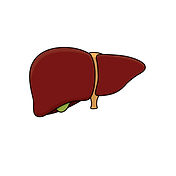
Union Minister Dr. Jitendra Singh recently launched the Indo-French Liver and Metabolic Disease Network (InFLiMeN) to jointly address the rising burden of Non-Alcoholic Fatty Liver Disease (NAFLD).
InFLiMeN, a virtual node, will aid in addressing the critical issues related to NAFLD and help prevent and cure these metabolic liver diseases at ILBS, Delhi.
With the rising burden of NAFLD, there is a need to develop simple, low-cost diagnostic tests that will aid in the early detection of NAFLD, thereby preventing its progression to severe diseases.
InFLiMeN will help understand the development, progression, and management using a comprehensive omics approach for biomarker discovery.
This initiative will provide point-of-care India-specific interventions to address the differences the Indian phenotype faces.
Click here to read more.
Content Editor: Dr. Swathi Shenoy
Press Information Bureau
Source :
Published on :
July 23, 2024
Public health, Noncommunicable diseases, NAFLD
FSSAI’s proposal: Empower, educate and promote health

The Food Safety and Standards Authority of India (FSSAI) approved a proposal that aims to empower consumers to make healthier decisions.
The proposal includes the following:
To increase the font size of labels on packed food.
To display information concerning total sugar, salt, and saturated fats in bold letters.
It will include the percentage of the food item's total sugars, saturated fats, and salt that contributes to the RDA per serve.
This move will also contribute to the ongoing efforts to address the risk of NCDs.
This proposal will increase the consumer's knowledge of nutrients and promote public health and well-being.
Click here to read more.
Content Editor: Dr. Swathi Shenoy
Press Information Bureau
Source :
Published on :
July 23, 2024
Nutrition, Noncommunicable disease, Public health