.png)
Follow Us!


Public Health Chronicle
Latest public health news and updates of the world
Public Health News Snippets 28 - 31st October, 2024
BHISHM Cube: AIIMS Rishikesh's Mobile Hospital Ready in 12 Minutes for Disaster Response

All India Institute of Medical Sciences ,Rishikesh recently conducted a mock drill of the BHISHM Cube—Bharat Health Initiative for Sahyog, Hita and Maitri—a mobile hospital unit under Project Aarogya Maitri by the Government of India.
Designed for rapid disaster response, the modular unit can treat up to 200 casualties and integrates artificial intelligence, point-of-care testing (POCT) and data analytics for real-time monitoring and management.
During the drill, the BHISHM Cube was successfully deployed within twelve minutes, demonstrating its preparedness to provide efficient medical care during emergencies.
Rapid mobile hospitals could have a great impact in disaster relief across India and developing nations.
Content Editor: Dr. Anamika
PHC Editorial Bureau
Source :
Published on :
May 28, 2025
Disaster Response, Mobile Hospitals
The Department of Empowerment of Persons with Disabilities (DEPwD) Marks World Thalassemia Day with Nationwide Awareness Campaigns

The Department of Empowerment of Persons with Disabilities observed World Thalassemia Day across India on 8 May with the theme, “Together for Thalassemia: Uniting Communities, Prioritizing Patients.”
Thalassemia, an inherited disorder causing chronic anaemia, was the focus of educational and support initiatives.
The National Institute for Locomotor Disabilities, Kolkata, organized sessions on the disease’s causes, diagnosis, treatment, and prevention.
Swami Vivekanand National Institute, Cuttack, conducted lectures on early detection and care.
Composite Regional Centres nationwide hosted activities—Jaipur discussed government schemes; Davanagere offered genetic counselling; Nagpur held a webinar; and Rajnandgaon organized a blood donation camp with the Red Cross.
Content Editor: Dr. Anamika
Press Information Bureau
Source :
Published on :
May 24, 2025
Thalassemia awareness, Community support
India Leads Traditional Medicine Integration on Global Stage

At the Sixth Meeting of the Group of Friends of Traditional Medicine (GFTM) in Geneva, India strongly advocated for the global advancement of evidence-based traditional medicine.
Vaidya Rajesh Kotecha, Secretary, Ministry of AYUSH emphasized its vital contribution to Universal Health Coverage and the Sustainable Development Goals (SDG), particularly SDG 3: ‘Good Health and Well-being’, and SDG 17: ‘Partnerships for the Goals’.
Key Takeaways
The GFTM, initiated by India, serves as a key platform for member states to integrate traditional medicine into national health systems.
India showcased its initiatives and commitment through national missions, research, insurance coverage, and the application of modern technologies, including Artificial Intelligence (AI), genomics, and bioinformatics, in traditional practices.
A high-level GFTM event is scheduled for May 23, 2025, at the UN Palais des Nations in Geneva, during the 78th World Health Assembly (WHA78), to further promote this integration and advocacy.
Content Editor: Dr. Shayari
Press Information Bureau
Source :
Published on :
May 24, 2025
AYUSH, Traditional Medicine
National Push for Enhanced Healthcare Resilience Against Fire & Disasters

Union Health Minister Mr. JP Nadda inaugurated the 2nd National Workshop on ‘Health Sector Disaster Preparedness and Response’ and ‘Fire Safety in Healthcare Facilities’.
He emphasised the urgent need for improved capacity building and awareness across all levels of the healthcare delivery system.
Key Takeaways:
All healthcare personnel, in both public and private sectors, require robust and comprehensive training for disaster response.
Mr. Nadda highlighted the necessity of regular fire safety audits to prevent incidents.
He warned that insensitivity towards preparedness can lead to carelessness and devastating "sparks of disaster.”
An iGOT (Integrated Government Online Training) e-learning course on ‘Fire Safety in Healthcare Facilities’ was launched on the iGOT Karmayogi platform (igotkarmayogi.gov.in), which is the dedicated portal for online training for government employees.
The workshop aims to develop actionable strategies for more resilient healthcare services nationwide.
Content Editor: Dr. Shayari
Press Information Bureau
Source :
Published on :
May 24, 2025
Fire Safety and Disaster Preparedness
UNICEF’s Innocenti Report Card 19 on child wellbeing

There are three dimensions with two components each:
Mental wellbeing:
Life satisfaction
Adolescent suicide
Physical health:
Child mortality
Overweight
Skills:
Academic proficiency
Social skills
Report:
Child mortality has decreased in most of the countries.
Social skills are stable relatively.
A mixed trend of adolescent suicide rate.
Remaining three indicators—life satisfaction, overweight and academic skills show a declining trend in most of the countries.
The top three countries are Netherlands, Denmark and France. The bottom eight countries show declining trend in atleast two of the three dimensions. Japan is the only country where the life satisfaction of children has increased from 2018 to 2022. The rates of overweight and obesity improved only in Italy and Portugal.
Way Forward: Prioritising policies and interventions which focus on the child’s overall development through:
Specialist services, parenting programmes, and social and emotional learning at schools to improve the mental well-being of children.
Promotion of healthier food ecosystems and physical activity and policies on environmental protection to bring improvement in overall physical health.
Special focus on learning and enabling environments for skill development.
Measures to mitigate future shocks.
Placing decisions of children’s wellbeing in their own hands to better understand them and to find solutions.
Holistic approach on all the dimensions of a child’s life.
Content Editor: Dr. Smruthi
UNICEF press release
Source :
Published on :
May 24, 2025
Child’s health, Reports, International health
A Multi-Country Survey on Anti-Microbial Resistance to Understand General Physicians’ Practices in Antibiotic Use.

A cross-sectional survey of 9249 general physicians (GPs) from nine low- and middle-income countries (LMICs)was conducted by researchers from Global Medical Affairs, to study their antibiotic prescribing practices and attitudes towards antimicrobial resistance (AMR).
Findings of the study: Of the participants, 62% agreed to the fact that AMR is a concerning issue in their country, and 63% said prescribing antibiotics in primary care leads to AMR.
Challenges perceived :
Around 38% of the GPs found it challenging in prescribing antibiotics to children.
Ninety-five percent of the GPs said that choosing antibiotics for pregnant women and patients with comorbidities is challenging.
Difficulty in correlating the data on antibiotic susceptibility with antibiotic choices.
Little information is available on the availability of drugs.
Unavailability of appropriate antibiotics.
Lack of regular training.
Factors leading to the usage of broad-spectrum antibiotics:
Practioners belief that they are more effective than narrow-spectrum antibiotics in treating infections.
Pressure from patients to prescribe antibiotics.
The tendency to self-medicate.
Non-compliance with the prescribed treatment.
Ninety percent of GPs agreed that they need regular training on antibiotic prescription
Click here to read more.
Content Editor: Dr. Smruthi
CIDRAP, Global public health journal
Source :
Published on :
May 24, 2025
Antimicrobial resistance, Primary health care ,Research findings
First Personalised CRISPR-based Successful gene-editing Therapy in an Infant

The first successful gene-editing therapy promises an optimistic future for children diagnosed with genetic disorders. CRISPR, short for Clustered Regularly Interspaced Short Palindromic Repeats, is a gene-editing technology that helps scientists to modify DNA selectively.
KJ Muldoon, the name of the first infant to receive such a therapy, was diagnosed with CPS-1 deficiency after experiencing lethargy and difficulty in breathing.
Carbamoyl phosphate synthetase - 1 (CPS-1) deficiency is a urea cycle disorder that leads to high ammonia levels in the body due to a lack of the CPS-1 enzyme that converts ammonia to urea. Complications include multiple organ damage due to accumulation of ammonia, such as liver damage requiring a transplant, irreversible brain injury, and death, with mortality as high as 50%. The children usually do not survive long enough to receive the transplant.
CRISPR-based scissors can precisely scan through the genetic code and pinpoint the exact error and correct it. Animal testing was conducted prior to the human experiment, for which researchers took FDA approval.
Baby Muldoon received 3 doses of infusion in February, March, and April, which led to a decrease in doses of medicine and ammonia levels, helping baby Muldoon gain weight. The infant suffered two viral infections, vomiting and diarrhea post-infusion, but without causing a shoot-up in his ammonia levels. There were no serious side effects reported.
Parents were relieved as medicine doses were halved with an increase in proteins in his diet, leading to weight gain. These therapies hold great promise for future generations, offering hope to parents of affected children through the potential of gene therapy, but more research is needed to know if they can be widely applied.
Click here to read more.
Content Editor: Dr. Harshita
Nature Journal
Source :
Published on :
May 23, 2025
Gene-editing therapy, genetic disorder
Consumption of antioxidant nutrients, fruits and vegetables linked to mitigation of impact of air pollution caused acute respiratory infections and anemia

A recent study conducted by researchers in India and the USA, used geocoded data from the National Family Health Survey - 4 (NFHS-4) and the 68th round of the National Sample Survey (NSS) to assess the mitigatory impacts, if any, of micronutrients and fruits and vegetable consumption on Acute Respiratory Infections (ARIs) and anemia caused by PM2.5 pollution.
Data collected from the two surveys using geocoded data about the status of ARIs and anemia in children along with the amount of micronutrients consumed by the children and fruits and vegetables eaten by them, was used to retrospectively analyse the protective effect of this diet.
Individual level confounders like sex of the child, mother's education level etc. and household level confounders like socioeconomic status, type of cooking fuel, household size etc. were adjusted for.
The data showed that for children between 6 - 59 months, 208,782 had valid ARI information while 197,289 had valid Hb estimation status. Out of these, the prevalence of ARIs and anemia was 2.8% and 57.6%, respectively.
The results showed that consumption of selenium, vitamin D and vitamin C showed a significant reduction in the effect of PM2.5 on ARI prevalence whereas all six micronutrients (Vitamin A, Vitamin C, Vitamin D, Zinc, Selenium, Vitamin B12) showed a protective effect for anemia caused by increased PM2.5 exposure.
Meanwhile, increased consumption of fruits and vegetables also showed a potential protective effect as the primary source of these nutrients in the diet.
Thus, the researchers proposed that the study shows the health benefits of a healthy diet and can influence policy makers to focus on promoting a healthy, balanced diet rich in diverse fruits and vegetables.
Content Editor: Dr. Manu
Frontiers in Public Health Journal
Source :
Published on :
May 23, 2025
Nutrition, Respiratory Infections, Air Pollution, Anemia
World Health Statistics 2025 shows Stalled Progress and Increasing Risks
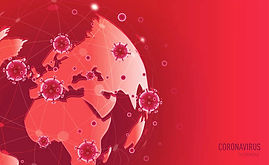
The World Health Statistics 2025 report highlights the profound setbacks that COVID-19 inflicted on global health. Between 2019 and 2021, life expectancy plunged by 1.8 years, the steepest drop in decades, while healthy life expectancy fell by six weeks due to rising mental health disorders, reversing earlier progress against noncommunicable diseases. Progress toward Triple Billion targets remains mixed.
By 2024, 1.4 billion more people achieved healthier lives through reduced tobacco use, cleaner air, and improved water/sanitation (WASH).
431 million people accessed universal health coverage without facing financial hardship, while 637 million achieved enhanced protection against health emergencies.
Maternal and under-5 mortality reductions have stagnated, risking 700,000 additional maternal and 8 million child deaths by 2030. A projected shortfall of 11.1 million health workers, concentrated in Africa and the Eastern Mediterranean, undermines essential healthcare recovery.
Noncommunicable diseases dominate premature deaths under age 70. While strides in HIV, TB, and neglected tropical diseases continue, resurgent malaria, declining childhood immunization, and antimicrobial resistance threaten gains. Funding gaps risk reversing progress.
WHO urges immediate and ongoing funding, strengthened health information systems through its SCORE initiative, and international cooperation to revive progress, avert new emergencies, and meet the 2030 health targets.
Content Editor: Dr. Chinmay
World Health Organisation
Source :
Published on :
May 23, 2025
International Health News, Covid 19, World health statistics
Interim Assessment ahead of World Health Assembly: WHO Achievements 2024

The WHO Results Report 2024, released prior to the 78th World Health Assembly (May 19–27, 2025), evaluates midterm progress under the 2024–2025 budget and Thirteenth General Programme of Work (2019–2025). Despite funding challenges, WHO advances its “Triple Billion” targets across 150+ countries.
Universal Health Coverage: 431 million more people access affordable care, aided by stronger health workforces, broader HIV therapy, and contraceptive access. Immunization gaps and out-of-pocket costs remain hurdles.
Health Emergency Protection: Enhanced readiness and monitoring systems, coupled with fairer distribution of health tools and updates to International Health Regulations, benefit 637 million more people. However, H5N1 responses and future pandemics face funding risks; a pandemic accord draft will be debated.
Healthier Populations: WHO surpassed targets, with 1.4 billion more people healthier due to reduced tobacco use, cleaner air/fuels, and better WASH services. Rising obesity and alcohol misuse challenge gains.
Key milestones: eliminating neglected tropical diseases in 7 nations, expanding mental health access to 70 million, vaccinating 500,000 Gaza children against polio, and distributing 259,000 mpox tests in Africa. Digital health tools now serve 2 billion with e-records. Over $1.7 billion pledged by 71 donors supports future efforts. The report highlights WHO’s commitment to efficient, accountable, evidence-based impact.
Content Editor: Dr. Chinmay
World Health Organisation
Source :
Published on :
May 23, 2025
International Health News, WHO report, World Health Assembly
Man vs Venom: Antivenom Created from Snakebite Survivor’s Blood

Scientists at Centivax, led by Dr. Jacob Glanville, developed a broad-spectrum antivenom using antibodies from Timothy Friede, who self-injected venom from 16 deadly snakes over 18 years.
Combining two of Friede’s antibodies with varespladib, a toxin-inhibiting drug, the cocktail fully protected mice against 13 of 19 WHO-listed venomous snakes and partially against six others.
The antibodies target conserved toxin sites, enabling broad neutralization.
Plans include testing in dogs and developing antivenoms for vipers. This approach could replace species-specific treatments, simplify stockpiling, and address antivenom shortages, especially in rural areas.
Content Editor: Dr. Anamika
PHC Editorial Bureau
Source :
Published on :
May 23, 2025
Antivenom, snake bite
Union Health Minister Reviews Nationwide Emergency Health Preparedness
Union Health Minister J. P. Nadda chaired a high-level meeting to review emergency health preparedness. Reviewed readiness of ambulances, medical supplies, Intensive Care Units, High Dependency Units, and hospital beds.
Bharat Health Initiative for Sahyog Hita and Maitri Cubes, manufactured by HLL Lifecare Limited under Project Aarogya Maitri, were included.
Each Cube costs about 1.5 crore rupees and has been gifted to Ukraine and used during the Maha Kumbh Mela.
Hospitals instructed to stock essential medicines, oxygen, blood, trauma kits. National institutes mobilised teams and training and mock drills were launched. A 24×7 control room is monitoring nationwide efforts.
Content Editor: Dr. Anamika
Press Information Bureau
Source :
Published on :
May 22, 2025
Emergency Health, Disaster Preparedness
A path analysis of mental health, socioeconomic position and oral health

Study sample consisted of 5682 adults, evaluated relationships between SocioEconomic status, dental health seeking behavior, oral health and mental health and how these are associated with oral health status.
It was found that Socio-Economic status is directly associated with mental health and indirectly associated with self rated oral health status.
Oral health behavior modified the relationship between Socio Economic Position and self rated oral health .
It was also found that Socio Economic Position is linked to both mental health and oral health sharing common social determinants of health.
It demonstrated a well fitting model that demonstrated association between SEP and mental health, oral health behaviors and dental treatment seeking were in turn associated with oral health.
This provides evidence that oral health is a part of overall health and oral health and mental health are connected in multifaceted ways.
Click here to read more.
Content Editor: Dr. Soundhar
Centre for DiseaseControl and Prevention
Source :
Published on :
October 26, 2024
Health Analysis, Integrated health, oral health
Suicide rates and selected county-level factors- United States, 2022

Suicide deaths from 2022 National Vital Statistics System (NVSS) mortality files were identified using International Classification of Diseases.
Three county-level factors (health insurance coverage, broadband internet access, household income) were selected based on published literature and relevance to suicide prevention strategies, which were measured and linked with dependent county of residence.
Overall, suicide rates were inversely related to each of three county-level factor textiles.
This analysis found higher suicide rates continue to affect certain sociodemographic groups, such as rural residents, males and white populations
It is essentially important for population affected by suicide that decision makers, government agencies and community can work together to implement programs, practices, and policies that increase access to health insurance and broadband internet and promote economic support, combined with downstream actions that support persons at increased or immediate risk for suicide.
Click here to read more.
Content Editor: Dr. Soundhar
Centre for Disease Control and Prevention
Source :
Published on :
October 26, 2024
Suicide prevention, international health
Household energy insecurity and Diabetes prevalence among US adults, 2020

Study used data from 2020 Residential Energy consumption survey(RECS) and Centres for Disease Control and Prevention’s US Diabetes Surveillance system to obtain 2020 state level diagnosed diabetes prevalence.
Study stated that states with high prevalence of energy insecurity had higher prevalence of diabetes mainly among southern states.
Additionally it found that reducing or forgoing food or medicine to pay energy costs was the most common form of energy insecurity.
Low prevalence of ever receiving energy assistance gives opportunity to lower energy insecurity in states with high disease burden.
Even though there are programmes they have been underfunded and subjected to budget cuts in giving energy related assistance programs for low income households.
Click here to read more
Content Editor: Dr. Soundhar
Centre for Disease Control and Prevention(CDC)
Source :
Published on :
October 26, 2024
Non communicable disease, International Health, Energy insecurity
Brain ages at different paces in accordance to social and physical environments

This study involved 5306 diverse participants across 15 countries published in Nature medicine, involving University of Surrey where they measured brain aging using advanced brain clocks based on deep learning of brain networks.
They quantified brain age gaps in healthy individuals and those with neurodegenerative conditions by analyzing data from functional magnetic resonance imaging(fMRI) and electroencephalography(EEG).
Study showed that in countries with high inequality, the brain tends to age faster and participants with dementia exhibited critical brain age gaps.
It also highlighted sex differences such as women in Latin American countries(LAC) showed greater gaps in brain age.
It has profound implications on understanding interaction between macro factors and mechanisms that underlie brain aging and integrates multiple dimensions of diversity into brain health research offering a new framework for personalized medicine.
Click here to read more
Content Editor: Dr. Soundhar
Science Daily
Source :
Published on :
October 26, 2024
Brain health, Aging, Universal Health
India eliminates trachoma as a public health problem

The World Health Organisation declared India as having eliminated trachoma as a public health problem on 8th October 2024. India joins Nepal and Myanmar in the South East Asia Region along with becoming the 19th country worldwide to achieve this status.
India reduced cases of trachoma from causing 5% of blindness cases in the 1960s, to less than 0.008% in 2018, far less than the WHO standards of 5% or less.
Finally, after a series of impact, prevalidation and trachoma only surveys carried out from 2019-2024, India achieved its trachoma free status.
The efforts were led by the development of a Trachoma Control Project in 1963 which became a part of the National Programme for Control of Blindness and Visual Impairment (NPCBVI) In 1976.
The methods employed were based on the WHO SAFE method, focusing on surgical treatment for the trichomonas trichiasis stage (S), antibiotic distribution to cure infections (A), facial hygiene methods to reduce the spread of infections (F)and ensuring access to clean water and sanitation (E).
Click here to read more.
Content Editor: Dr Manu
World Health Organisation
Source :
Published on :
October 26, 2024
World Health Organisation, Trachoma, Outbreak Management, Elimination of Diseases
India develops its first indigenous Monkeypox testing kit

Visakhapatnam-based Andhra Pradesh Medtech Zone, in collaboration with TransAsia Diagnostics Private Limited, unveiled India’s first indigenously developed Monkeypox (Mpox) diagnostic kit, named ‘ErbaMDx MonkeyPox RT-PCR Kit’.
The kit underwent strict testing by the Indian Council for Medical Research (ICMR) and received emergency authorization from The Central Drugs Standard Control Organisation (CDSCO) of the Ministry of Health and Family Welfare (MoHFW).
It can be stored at ambient temperature, making it easy to use in inaccessible regions.
It also boasts a 12-month shelf life and 0 cross-reactivity with other orthopoxviruses, ensuring better diagnostic accuracy.
The development of this kit thus signals India’s growing ability within the field of healthcare and diagnostics.
Click here to read more.
Content Editor: Dr Manu
Social trends
Source :
Published on :
October 25, 2024
Monkeypox, RTPCR, Diagnostics, Outbreak Management
Lightning strike fatalities increase in India: Research findings

A study published in Environment, Development, and Sustainability, conducted by researchers in India and internationally led by the Department of Geography at Fakir Mohan University, Odisha, analyzed data to realize that lightning strikes increased in India from 2010 to 2020.
Data from the National Crime Records Bureau found 1,01,309 deaths attributed to lightning since 1967.
Out of these, a third, i.e., 29,804, took place between 2010-2020, with 71,505 deaths registered from 1967 till 2010.
Meanwhile, average deaths per state and Union Territory increased from 38 in 1967-2010 to 61 in 2010-2020.
Central India accounted for nearly 50% (50,884) of these deaths.
The authors implicated environmental degradation, climate change, high population exposure, socioeconomic factors, etc., for the rise in lightning strikes.
The authors encouraged early warning systems, greater research, and community engagement as methods to combat this rise.
Click here to read more.
Content Editor: Dr Manu
Social trends
Source :
Published on :
October 25, 2024
Climate Change, Research, Lightning Strikes
Dhulikhel municipality in Nepal declared a ‘Healthy City’

WHO recently declared Dhulikhel municipality, a tourist town in the Kavrepalanchok district of Nepal, a ‘healthy city.’
It became Nepal's first healthy city and Asia's second after Banda city in Pune, India.
WHO started the Healthy Cities Network in Europe and expanded it beyond to inculcate cities that focused on health as a primary objective and enshrined community participation in decisions regarding healthcare.
Dhulikhel scored 65.48 across various indicators such as citizens’ access to health, participation in health policy-making, political commitment to health, nutrition, child health, and innovative health initiatives such as tuberculosis-free and nutrition-friendly programs, etc., allowing it to join the network.
The city also received a cash prize of USD 5000 for this achievement.
This achievement is in stark contrast to the rest of the country, which, based on PM 2.5 levels, has been named the third most polluted country in the world.
Click here to read more.
Content Editor: Dr Manu
Social trends
Source :
Published on :
October 25, 2024
Air Pollution, Healthcare, Sustainable Development Goals, World Health Organisation
Alinity m MPXV: The newest diagnostic test for emergency use against Mpox

Limited testing capacity and delays in confirming mpox cases continue to hinder efforts in Africa, allowing the virus to spread further.
In 2024, over 30,000 suspected cases were reported across the continent, with the highest numbers in the Democratic Republic of the Congo, Burundi, and Nigeria.
Notably, only 37% of suspected cases in the Democratic Republic of the Congo have been tested this year.
The presence of the monkeypox virus is confirmed through nucleic acid amplification testing (NAAT), including real-time or conventional polymerase chain reaction (PCR), as outlined in the WHO's Interim Guidance on diagnostic testing for mpox.
The lesion material is the recommended specimen type for confirming monkeypox virus (MPXV) infection through NAAT.
The Alinity m MPXV assay is a real-time PCR test that detects monkeypox virus (clade I/II) DNA in human skin lesion swabs.
By detecting DNA from pustular or vesicular rash samples, laboratory and health workers can confirm suspected mpox cases efficiently and effectively.
This first mpox diagnostic test listed under the Emergency Use Listing procedure represents a significant milestone in expanding testing availability in affected countries.
Content Editor: Dr Tanya
WHO News Section
Source :
Published on :
October 25, 2024
MPox, Emergency Use License, Diagnostics
Waning immunity: The cause for increased burden of Measles

A recent study published in The Lancet Public Health highlights that immunity from the measles vaccine wanes over time, contributing to an increase in cases among vaccinated individuals in England.
Researchers from the London School of Hygiene & Tropical Medicine used mathematical modeling to analyze measles transmission data from 2010 to 2019.
The study examined three scenarios: no waning of immunity, waning based on time since vaccination, and waning starting in 2000.
Using data from over 7,500 measles cases, the study found that waning immunity best explained the increase in cases, especially in those aged 15 years and older who had received two doses of the vaccine.
The estimated waning rate was 0.039% per year, leading to 83% of onward transmission from vaccinated individuals compared to unvaccinated ones.
The findings underscore the need for ongoing monitoring of vaccine-induced immunity in near-elimination settings like England, where waning immunity could pose a risk for future outbreaks.
Despite the vaccine’s high long-term effectiveness, this slow waning still increases the measles burden.
Click here to read more.
Content Editor: Dr. Gurumurthy
The Lancet
Source :
Published on :
October 25, 2024
Vaccination, Outbreak, Measles
Mental Health Risks in Cancer Survivors Persist Long-Term

A recent study published in eClinicalMedicine reveals that cancer survivors face elevated risks of mental health issues, including depression, anxiety, non-fatal self-harm, and suicide, compared to cancer-free individuals.
Researchers conducted a cohort study using UK electronic health records from over 853,000 cancer survivors and 8.1 million cancer-free individuals.
The study focused on survivors of the 20 most common cancers and examined mental health outcomes over short, medium, and long-term follow-up.
The methodology involved matching cancer survivors with cancer-free individuals based on age, sex, and general practice, and analyzing their risks for new mental health episodes using Cox regression models.
The results showed that survivors of cancers with poorer survival rates, such as lung and pancreatic cancers, experienced significantly higher risks of depression, anxiety, and self-harm.
These risks were highest within the first year after diagnosis but persisted for more than five years for many cancer types.
The study concludes that cancer survivors need enhanced psychological support, especially those with poorer prognosis cancers.
The findings highlight the importance of addressing the long-term mental health impacts of cancer survivorship.
Click here to read more
Content Editor: Dr. Dr Ghurumourthy
eClinicalMedicine
Source :
Published on :
October 18, 2024
Mental Health, Cancer Survivor
Emergency Department Visit Rates for Acute Upper Respiratory Infections in U.S. Children and Adolescents (2021-2022)

In the year 2021-2022, children and adolescents in the United States had an emergency department (ED) visit rate of 38.6 per 1,000 for acute upper respiratory infections (URI).
The highest visit rate was observed in infants under one year at 120.5 per 1,000, while the lowest was in adolescents aged 12-17 at 14.4 per 1,000.
Regardless of whether they were viral or bacterial, these infections had a significant impact on younger age groups, and the rates decreased as age increased.
The data was collected from the National Hospital Ambulatory Medical Care Survey, which focused on general hospitals throughout the United States, excluding federal and military facilities.
Click here to read more
Content Editor: Dr. Chinmay
CDC, National Center for Health Statistics, National Hospital Ambulatory Medical Care Survey, 2021–2022
Source :
Published on :
October 18, 2024
Quickstats, child and adolescent health, upper respiratory infection
Tiruchirappalli pioneers a Community-driven sanitation revolution

Tiruchirappalli, a vibrant city in Tamil Nadu, is setting a powerful example of urban sanitation through its community-managed toilet initiative.
In areas previously known for poor sanitation, the city’s slums have witnessed a remarkable transformation.
Approximately 400 public toilets have been constructed, with 150 of them managed by women-led self-help groups (SHGs), known as Sanitation Hygiene Education (SHE) teams.
These groups play a vital role in maintaining hygiene standards, which has significantly contributed to Trichy becoming an Open Defecation Free (ODF) city.
As India marks the 10th anniversary of the Swachh Bharat Mission, this initiative highlights the importance of community participation in sustaining sanitation infrastructure.
The ongoing Swabhav Swachhata Sanskaar Swachhata (4S) campaign celebrates Trichy’s success, demonstrating how grassroots efforts can lead to lasting, sustainable improvements in public health and cleanliness.
This story of Tiruchirappalli reminds us that the true change can come from within the community
Click here to read more
Content Editor: Dr. Dheena
Press Information Bureau
Source :
Published on :
October 18, 2024
Environmental Hygiene, Cleanliness Drive, Community Participation
The plight of Trans-genders in Pakistan

Only 221 transgenders currently benefit from the Benazir Income Support Programme (BISP), a key social protection initiative that provides PKR 10,500 (approximately $37.50) quarterly to 8.6 million recipients nationwide.
Following the devastating floods of 2022, about 95% of transgender individuals were unable to access relief programs due to challenges in producing identity documents.
Many lack ownership papers for their residences and utility bills in their names, which further complicates their eligibility for assistance.
Additionally, few have been able to participate in the government's free solar panel distribution initiative launched in August.
Transgender individuals are notably absent from Pakistan's National Disaster Management Authority (NDMA) disaster management guidelines, highlighting systemic gaps in support for this community.
Click here to read more
Content Editor: Dr. Tanya
Transgenders, Social issues
Source :
Published on :
October 18, 2024
Social Trends
ICGA- Indian Cancer Genome Atlas launched

The Indian Cancer Genome Atlas (ICGA) foundation has launched a portal to provide breast cancer patients with their DNA, RNA, and protein profiles and clinical outcomes.
With a set of data coming from the West, there can be major variances in genetic variants in cancer among Indian patients. The platform aims to increase our understanding about these variations.
The platform now has data from 50 breast cancer patients in an attempt to increase ethical communication and cooperation in the field of cancer research. In the future, data from more than 500 patients are going to be covered, though.
The International Consortium for Genome Atlas (ICGA) is modeled after the U.S.-based Cancer Genome Atlas and aims to develop an ecosystem of drug firms, diagnostic businesses, and hospitals by offering incentives for data sharing.
It is based on the cBioPortal Platform which guarantees smooth integration with worldwide cancer research endeavors.
The program aims to transform cancer research in India by assisting scientists and medical professionals in creating individualized treatment plans.
Click here to read more
Content Editor: Dr. Shubham
ICGA Foundation
Source :
Published on :
October 17, 2024
Cancer Registry
Case of re-emerging illness, Murine Typhus, reported in Kerala

On 11th October 2024, the Kerala State Surveillance Unit, Directorate of Health Services, reported one case of Murine Typhus in Thiruvananthapuram district.
A 75-year-old resident of Kerala, who had returned from Vietnam and Cambodia, fell ill on 8th September.
After several tests and consideration of the travel history, the patient was diagnosed with Murine Typhus.
The bacteria, Rickettsia typhi, causes illness in rats, cats, or opossums.
The vector, the Oriental rat flea, can infect humans or animals through a bite that creates a wound.
When flea dirt (flea feces containing the bacteria) is rubbed into the wound, it leads to infection. Symptoms include fever, chills, rash, and headache.
While it can cause severe illness, the case fatality rate is less than 1%. Treatment with doxycycline aids recovery from the illness.
Kerala has been reporting cases of scrub typhus, but this was the first case of Murine Typhus.
Although the risk of spreading the illness is low, as it is not transmitted from human to human, preventive measures are recommended. They include keeping rodents away from homes and workplaces by maintaining safe, clean, and hygienic practices, and protecting oneself from flea bites.
Click here to read more
Content Editor: Dr. Urmimala
Directorate of Health Services, Kerala; Centre for Disease Control
Source :
Published on :
October 17, 2024
Infectious Disease, Re-emerging illness, Murine Typhus
Burkholderia multivorans Infections Linked to Contaminated Ice Machines in Hospitals (2020-2024)

Between 2020 and 2024, four hospitals in California and Colorado reported a total of 46 cases of Burkholderia multivorans infections.
The source of these infections was found to be contaminated ice and water from hospital ice machines.
Whole genome sequencing confirmed that the ice machines harbored the same bacterial strain (ST659).
The bacteria primarily affected immunocompromised and critically ill patients, causing respiratory, blood, and intra-abdominal infections.
Investigations by public health authorities revealed that these hospitals used identical ice machines and similar sanitizing products, which likely contributed to the contamination.
As a response, public health officials advised against using tap water and ice from these machines during patient care activities.
Although the ice machines were replaced, sporadic infections persisted.
This outbreak emphasizes the critical importance of implementing rigorous water management practices in hospitals to prevent similar incidents.
Click here to read more
Content Editor: Dr. Chinmay
CDC
Source :
Published on :
October 17, 2024
International health news, outbreak, infectious diseases
Implications of reducing screen time on child’ mental health

A study published in JAMA Network Open observed that reducing screen media use significantly improves the mental health of children and adolescents.
The study involved 89 families and focused on a 2-week intervention to limit screen time to 3 hours per week.
The key outcomes of the study are behavioral improvement and prosocial behavior, and the findings include:
Behavioral Improvements: The intervention group showed a notable decrease in behavioral difficulties, particularly internalizing symptoms such as emotional and peer problems.
Prosocial Behavior: Children in the screen reduction group exhibited enhanced prosocial behavior, indicating better social interactions.
Short-term reduction in screen media use positively affects children's and adolescents' mental health.
Click here to read more.
Content Editor: Dr. Sathya Prashaath
JAMA Network Open
Source :
Published on :
October 12, 2024
Screen time, Mental health, Child health
India's health revolution: 100 days of transformative innovations

The Union Health Minister applauded the Department of Health Research's successful implementation of the 100 Days Program, which signaled a major advancement in healthcare innovation.
Major accomplishments include:
The Med-Tech Mitra project: It has helped over 250 medical innovation firms.
National One Health Mission launched to improve pandemic preparedness
Establishment of the Network of BSL-3 Laboratories
A successful H5N1 "Vishanu Yudh Abhyas" simulation drill was carried out during the pandemic preparation.
To improve the nation's response to infectious diseases, six Viral Research and Diagnostic Laboratories (VRDL) are being converted into Integrated Research and Diagnostic Laboratories (IRDL)
The Program for Development of Indigenous Drugs for Rare Diseases aims to lower the cost of treating diseases like muscular dystrophy.
Moreover, high-risk, high-reward biomedical research will be funded under the "First in the World" Challenge, establishing India as a pioneer in international healthcare solutions.
These revolutionary actions demonstrate India's resolve to achieve Atmanirbhar(self-reliance) in the healthcare sector by 2047.
Click here to read more.
Content Editor: Dr. Dheena
Press Information Bureau
Source :
Published on :
October 12, 2024
Health Research, Government Initiatives, Innovation
Antimicrobial resistance in India: The status and the way ahead

India has reaffirmed its resolute dedication to tackling the increasing challenge of Antimicrobial Resistance (AMR) at the United Nations General Assembly (UNGA).
Union Minister of State for Health and Family Welfare, Smt. Anupriya Patel stressed the immediate necessity for worldwide collaboration to confront this vital challenge.
Key Points:
She pointed out that AMR jeopardizes years of advancements in contemporary medicine and poses a significant danger to global public health.
She emphasized India's remarkable progress in the battle against AMR through its National Action Plan (NAP AMR), which includes enhancing surveillance systems, advocating for responsible antimicrobial usage, and bolstering infection prevention and control measures.
She called for incorporating AMR containment strategies into various health initiatives, such as pandemic preparedness, strengthening health systems, and achieving universal health coverage.
India's revamped NAP-AMR 2.0 emphasizes collaborative efforts across sectors, leveraging "One Health" approaches.
The UNGA High-Level Meeting on AMR was vital to elevate awareness and bolster global initiatives to address this expanding health crisis.
Click here to read more.
Content Editor: Shayari
Press Information Bureau
Source :
Published on :
October 12, 2024
AMR, One Health, Global Health
Financial empowerment of girls: The success of Sukanya Samriddhi Yojana

Sukanya Samriddhi Yojana is transforming the lives of young girls in India, promoting financial security and empowerment.
Launched in 2015 under the ‘Beti Bachao, Beti Padhao’ campaign, it aims to secure the future of girls by opening savings accounts for them.
Over 4.50 lakh accounts have been opened, with 487 villages declared as complete Sukanya Samriddhi Grams in the North Gujarat region.
Economic Empowerment: The scheme promotes financial security for girls, supporting their education, career, and marriage.
Interest and Tax Benefits: Offers an 8.2% interest rate and income tax exemptions.
Click here to read more.
Content Editor: Dr. Sathya
Press Information Bureau
Source :
Published on :
October 10, 2024
Empowerment, National schemes
Ayushman Bharat: A milestone in universal health coverage

Ayushman Bharat PM-JAY, launched in 2018, has covered over 12 crore families.
Achievements of PMJAY: Over 35.4 crore Ayushman cards issued, 7.79 crore hospital admissions authorized, and ₹1,07,125 crores in financial coverage provided.
Gender Equity: 49% of Ayushman cards issued to women, with significant hospital admissions utilized by them.
Impact of the scheme: The scheme has reduced out-of-pocket healthcare expenditures by 21 % and emergency loans by 8%, making life-saving treatments more affordable.
Expansion for Seniors: In 2024, the scheme expanded to offer free health coverage to all senior citizens aged 70 and above.
Portability and Network: Beneficiaries can access treatment at any of the 30,529 empanelled hospitals across India.
Click here to read more.
Content Editor: Dr. Sathya
Press Information Bureau
Source :
Published on :
October 10, 2024
Universal Health Coverage, Health insurance, Health
Building a tobacco-free future: Country's initiative for the youth in schools

A joint advisory was issued by the Union Ministry of Education and Ministry of Health & Family Welfare for the implementation of the Tobacco-Free Educational Institution (ToFEI) manual.
The main concerns included: 8.5% of school students in India used tobacco (GYTS 2019), over 5,500 children started using tobacco daily, and 55% of lifelong tobacco users began before age 20.
Since the launch, they are working on the following objectives:
Raising awareness of tobacco's harmful effects
Promoting cessation resources
Creating a tobacco-free environment
Improving enforcement of legal provisions regarding tobacco sales.
Click here to read more.
Content Editor: Dr. Anamika
Press Information Bureau
Source :
Published on :
October 10, 2024
Tobacco-free, Youth, Educational institutions
Global food regulators summit 2024: Advancing food safety and innovation worldwide

The second edition of the Global Food Regulators Summit 2024 was inaugurated by the Union Health Minister.
The summit emphasizes collaboration and innovation, aiming to share insights and best practices for ensuring safe and nutritious food worldwide.
It aims to establish a global platform for food regulators to share insights on food safety systems.
Focus areas include addressing foodborne illnesses, nutraceutical safety, novel foods, and microplastics.
New initiatives launched include the Food Import Rejection Alerts (FIRA) portal for notifying food import rejections and the Food Import Clearance System 2.0 (FICS 2.0) for faster processing and transparency.
The State Food Safety Index (SFSI) 2024 was released, with Kerala, Tamil Nadu, Jammu & Kashmir, Gujarat, and Nagaland leading the rankings.
Click here to read more.
Content Editor: Dr. Anamika
Press Information Bureau
Source :
Published on :
October 10, 2024
Food safety, Food regulators, Food security, Nutrition