.png)
Follow Us!


Public Health Chronicle
Latest public health news and updates of the world
Public Health News Snippets 26 - 31st August, 2024
Linkage between ambient and household air pollution to mortality: IIPS study findings

A study conducted by authors of the Department of Public Health and Mortality Studies, International Institute for Population Sciences, combines data from the National Family Health Survey (NFHS) 5 and the Greenhouse Gas and Air Pollution Interactions and Synergies model to estimate the effect of both household and ambient air pollution on mortality rates in India.
The study found that:
The odds of Neonatal, post-neonatal, and Child deaths are significantly higher in areas with PM2.5 levels above the recommended threshold by the National Ambient Air Quality Standards (NAAQS).
The odds ratio of Neonatal, Postneonatal, and Child deaths at >40μg/m3 PM2.5 was higher [1.86 (1.418–2.433), 2.04 (1.399–2.971), and 2.19 (0.999–4.803)], respectively, considering the PM2.5 at 0-10μg/m3 as the reference.
The neonatal, child, and adult death rates were high with PM2.5 >40μg/m3, i.e., ambient air pollution alone without Household air pollution.
Neonatal, postneonatal, child and adult deaths were substantially higher with ambient and household air pollution.
A negative association was seen between unclean fuel use and adult mortality rates.
The author explains that although there has been a high uptake of cleaner fuel as a source of cooking following the “Pradhan Mantri Ujjwala Yojana,” a substantial proportion of households of lower socioeconomic strata did not refill after first usage due to cost issues.
Hence, in the NFHS-5 survey, based on their response, they have been classified as using cleaner fuels, but in reality, they might be using unclean fuel sources.
Click here to read more.
Content Editor: Dr. Urmimala
GeoHealth Journal
Source :
Published on :
August 30, 2024
Research Findings, Air pollution, Mortality rates
Vital statistics of Delhi 2023: The updates

The Directorate of Economics and Statistics and Office of the Chief Registrar (Births and Deaths), Government of Delhi released the vital statistics report named Annual report on the “Registration of Births and Deaths in the National Capital Territory of Delhi for the year 2023” in August 2024.
The vital statistics findings are as follows:
Birth rate has increased from 14.24 in 2022 to 14.66 per 1000 population in 2023.
Death rate has also increased to 6.16 in 2023 from 6.07 per 1000 population.
Infant Mortality Rate has decreased from 23.82 to 23.61 per 1000 live births in 2023 as compared to 2022.
Maternal Mortality Ratio has decreased from 0.49 to 0.45 per 1000 live births in 2023.
Sex ratio of Delhi has decreased from 929 in 2022 to 922 per thousand males in 2023.
Of the total registered births 52.02% were males, 47.96% were females while 0.02% were transgender/ambiguous.
95.58% of the births were institutional.
Click here to read more.
Content Editor: Dr. Urmimala
Directorate of Economics and Statistics and Office of the Chief Registrar, Government of Delhi
Source :
Published on :
August 30, 2024
Vital Statistics, Demography, Government reports
Pledging for a “drug-free India”

Two men were held in Maharashtra for the illicit trafficking of 900 psychotropic drug pills- one of the many cases being dealt with under the Narcotics Drugs and Psychotropic Substances Act 1985.
As India lies at the wedge between the Golden Crescent and Golden Triangle of illegal opioid production, it is a common route for the transport and trade of psychotropic drugs.
According to the World Drug Report 2021, Amphetamine-type stimulants, Cannabis-type drugs, hallucinogens, opioids, both opiates and pharmaceutical opioids, and sedatives, among others, are the most commonly seizure drugs from India.
These substances have been linked to Substance Use Disorders that are chronic and relapsing.
At the inauguration of a zonal unit of the Narcotic Control Bureau in Chhattisgarh today, the Union Minister spoke about preventing substance abuse by giving foremost priority to preventing its illegal trade, strengthening the legal network of detection, and taking appropriate measures to punish those involved.
Click here to read more.
Content Editor: Dr. Urmimala
Social Trends
Source :
Published on :
August 30, 2024
Substance Abuse, Illegal drug trafficking
Cautionary measures to tackle Mpox in India

On 14th August 2024, the WHO declared Monkeypox or Mpox as a Public Health Emergency of International Concern (PHEIC) for the second time since 2022.
At the Joint Monitoring Group meeting, experts from the National Centre for Disease Control, Directorate General of Health Services, Indian Council of Medical Research, representatives of all Central Government Hospitals, and others discussed the current situation and required steps to deal with Mpox.
The Cautionary measures discussed in the meeting on 16th August were as follows:
Crossborder area (airports, seaports, ground) sensitization of health units.
Preparation of laboratory requirements for virus testing at 32 centers across India
Taskforce formation at all government hospitals ready to detect, isolate, and manage Mpox cases.
Content Editor: Dr. Urmimala
Press information Bureau
Source :
Published on :
August 30, 2024
Public Health Emergency of International Concern, Communicable Disease, Monkeypox
Ban of 150 fixed-dose combination drugs

The Indian government has banned 156 combination drugs, including painkillers, multivitamins, antibiotics, and drugs used for fatty liver with diabetes and irritable bowel syndrome.
These Fixed Dose Combination (FDC) drugs are considered a potential risk to humans.
The government-appointed Drugs Technical Advisory Board (DTAB) and an expert panel declared these FDCs to be "irrational," the DTAB also discovered no medicinal basis for any of the components.
Safer alternatives exist, and the FDC drugs pose risks to human health, and the Board recommended prohibiting them.
The ban was issued under Section 26A of the Drugs and Cosmetics Act.
The FDCs were considered risky for human use, so they were prohibited from being manufactured, sold, and distributed.
Companies with supporting data can continue, while others must withdraw their products.
The list includes hair treatments, anti-parasitic drugs, skincare products, and anti-allergic medications.
This prohibition follows earlier measures, such as the outlawing of 344 combination medications in March 2016 and an additional 14 in June 2023, as part of a larger attempt to regulate the pharmaceutical industry.
Content Editor: Dr. Shubham
Social Trends
Source :
Published on :
August 29, 2024
Fixed Drug Combination (FDC), Drugs and Cosmetics Act, Public health laws
Samagra Shiksha scheme: To promote menstrual health

UNICEF India commended Madhya Pradesh Chief Minister Mohan Yadav’s efforts to promote menstrual health among adolescents in the state.
Rs 57.18 crore has been transferred to the accounts of 19 lakh school-going girls in Madhya Pradesh as part of a cash transfer scheme.
The money was set aside for girls' students to purchase sanitary napkins, under the "Samagra Shiksha" scheme.
The program's goal is to encourage girls in Classes VII through XII to practice good hygiene and cleanliness.
UNICEF India is working with the government and stakeholders to raise awareness about menstrual health and school hygiene.
The objective of this effort is to enhance the menstrual health and hygiene of teenage girls in Madhya Pradesh.
Content Editor: Dr. Shubham
Social Trends
Source :
Published on :
August 29, 2024
Menstrual Health, Reproductive health, Adolescent health
A new employment code: Proposal by the National Medical Commission

The National Medical Commission (NMC) has proposed a pay scale structure for interns, postgraduate students, super-specialty students, and medical college teachers to ensure fair compensation, job satisfaction, and attract high-quality faculty and students.
Private practice for medical teachers should be prohibited to maintain quality of education.
Medical teachers who focus solely on teaching should receive a non-practicing allowance.
Implementing standardized pay scales, retirement policies, and rotational headship can enhance transparency and prevent toxic environments.
The NMC's task force also recommended mentor-mentee programs, financial stability support helplines, and involving families in induction programs to improve the mental well-being of medical students.
Duty hours should be restricted to 74 per week, with one day off, a 24-hour duty, and five 10-hour shifts.
A 10-day vacation for undergraduate and postgraduate students is also recommended.
A committee structure involving deans, department heads, and psychiatrists is proposed to address mental health challenges at the medical college level.
Content Editor: Dr. Shubham
Social trends
Source :
Published on :
August 29, 2024
Human Resources Management, Doctors pay scale
Methylocucumis oryzae: A methane-eating bacteria discovered in Pune

Researchers at the MACS (Maharashtra Association for the Cultivation of Science) Agharkar Research Institute (ARI) in Western India's wetlands, rice fields, and Vetal Tekdi found Methylocucumis oryzae, the first native methane-eating bacteria in India.
This bacterium promotes early flowering and increases rice plant yield, helping in climate mitigation by oxidizing methane.
Despite its unique size and slow growth rate, it poses challenges for large-scale cultivation and biotechnological applications.
Due to its shape, this bacterium, named ‘methane-eating cucumbers’, promotes early flowering and increases yield in rice plants.
These bacteria can reduce methane, a potent greenhouse gas, by oxidizing it, thus helping climate mitigation.
Methane's global warming potential is 26 times greater than that of CO2.
Methanotrophs help mitigate this by oxidizing methane.
Methylocucumis oryzae is larger than most bacteria, promotes rice plant growth, and is phylogenetically unique.
The slow growth rate of this methanotroph poses challenges for large-scale cultivation and biotechnological applications.
No other Methy-locucumis species has been reported from any other nation.
Click here to read more.
Content Editor: Dr. Shubham
Indian Journal of Microbiology
Source :
Published on :
August 29, 2024
Methanotroph, Global warming, Climate change
Cholera outbreak in Sudan

The Sudanese Health Minister, Haitham Mohamed Ibrahim, officially declared the outbreak of cholera within Sudan after the WHO announced that 11327 cases of cholera with 316 deaths had been seen.
The actual numbers are feared to be worse than reported.
The announcement followed positive reports of cholera from samples of watery diarrhea sent to the Public Health Laboratory.
Meanwhile, the recent monsoon period has worsened the situation, with cases of dengue and malaria on the rise.
The conflict between the Sudanese Armed Forces (SAF) and the insurgent Rapid Support Forces (RSF) has exacerbated the epidemic scenario.
Content Editor: Dr. Manu
Social Trends
Source :
Published on :
August 29, 2024
Sudan, Cholera, Outbreak, Epidemics
Outbreak of Sloth fever in Europe

Spread by infected midges or some breeds of mosquito, the Oropouche virus, known as sloth fever/virus, was detected in Europe following outbreaks in South America.
The common symptoms are fever, severe headache, chills, muscle aches, joint pains, and nausea/vomiting.
More than 10,000 cases were seen in Brazil, Bolivia, Peru, and for the first time in Cuba, according to the Pan American Health Organisation (PAHO), including two fatalities in Brazil, who had no other known conditions.
Six possible cases of mother-to-child transmission during childbirth were being investigated to understand infections during pregnancy, potential congenital disabilities, and risk of stillbirth due to the virus.
19 cases were reported for the first time in Europe with all affected having travelled to Brazil or Cuba.
The European Centre for Disease Prevention and Control (ECDC) said the risk for travelers was moderate, while the risk of spread was low as the vector wasn’t found in Europe, and person-to-person transmission hasn’t been seen yet.
Content Editor: Dr. Manu
Social trends
Source :
Published on :
August 28, 2024
Sloth Fever, Outbreaks, Epidemics
Declaration of famine in Sudan’s North Darfur Zamzam camp

Following 15 months of war in Sudan, the Integrated Food Security Phase Classification’s Famine Review Committee (IPC FRC) was established in the Zamzam camp in the northern Darfur region of Sudan, leaving a population of 7,55,000 vulnerable to food scarcity.
An area is attributed to IPC Phase 5 Famine Classification when:
It has at least one in five households facing an extreme deficiency of food,
No less than 30 percent of children in the area are suffering from acute malnutrition
Two for every 10,000 people are dying each day due entirely to starvation or to the interaction of malnutrition and disease.
The lack of humanitarian access due to the war is the main reason behind the famine. UNICEF and the UN World Food Programme (WFP) call for a ceasefire to allow relief services access to the areas
Click here to read more.
Content Editor: Dr. Manu
UN News Section
Source :
Published on :
August 28, 2024
UNICEF, Famine, Disaster, Food insecurity
Government directs enhanced safety measures in central hospitals

The Government of India has directed all Central Government Hospitals, including AIIMS and other Institutes of National Importance (INIs), to enhance security measures.
The directive highlights the increasing vulnerability of government hospitals to unauthorized access and violence against healthcare workers.
The key measures includes:
The installation of high-resolution CCTV cameras at strategic locations, stricter entry controls with mandatory identification for staff and visitors, and limiting the number of attendants with patients.
Hospitals are also required to train staff in handling security threats, improve lighting in dark areas, and establish comprehensive emergency response plans.
Additional provisions include setting up public address systems, ensuring female staff safety during night shifts, and appointing patient facilitators.
Additional measures include providing secure rest areas for female staff on night shifts, appointing patient facilitators, and implementing comprehensive emergency plans.
These actions aim to enhance security while maintaining public access and ensuring the safety of patients and healthcare workers.
Contnet Editor: Dr. Sumana
Ministry of Health and Family Welfare
Source :
Published on :
August 28, 2024
Occupational safety, Job safety, Healthcare workers
WHO urges Southeast Asia to prioritize rehabilitative and assistive technology services
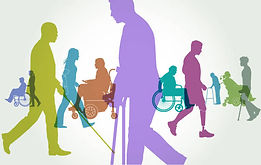
WHO Regional Director Saima Wazed urged South-East Asian countries to prioritize access to rehabilitative and assistive technology services.
Rehabilitation services aim to restore dignity, hope, and societal participation, addressing needs such as low back pain, vision loss, fractures, and COPD.
590 million people in the region require rehabilitation services, which often face challenges such as inadequate coverage, a shortage of healthcare professionals, and insufficient services in primary health centers.
Emphasis was placed on engaging and empowering communities, addressing inequalities faced by persons with disabilities, and strengthening the rehabilitation workforce to transform health and well-being for marginalized populations.
Click here to read more.
Content Editor: Dr. Anamika
Social trends
Source :
Published on :
August 28, 2024
Rehabilitative services, Assistive technology, Quality of life
India's efforts for climate change and environmental protection

India aims to achieve net zero emissions by 2070.
This goal is outlined in India's Long-Term Low Greenhouse Gas Emission Development Strategies (LT-LEDS).
To reduce emissions India is focusing on :
Sustainable Cities: India is integrating climate adaptation and resource efficiency into urban planning through initiatives like the Smart Cities Mission, affordable housing programs, and improved sanitation.
Improving Air Quality: The National Clean Air Programme (NCAP) is addressing air pollution by promoting cleaner fuels, electric vehicles, and banning open burning.
Protecting Coastal Ecosystems: India is investing in protecting and restoring mangroves and coral reefs, improving coastal livelihoods, and combating pollution through initiatives like MISHTI.
Regulatory Measures: Laws such as the Coastal Regulation Zone Notification and the Wildlife Protection Act safeguard coastal ecosystems.
Click here to read more
Content Editor: Shayari Nag
Press Information Bureau
Source :
Published on :
August 28, 2024
Climate Action, Environmental Health, Sustainable Climate
Dangerous mix-ups: The risk of confusing drug names in India

In India, identical or similar drug names pose serious health risks, as seen with drugs like 'Linamac' used for both cancer and diabetes treatments.
Despite decades of complaints from the medical community, lax regulations persist, allowing multiple drugs with the same or similar names to be marketed.
The fragmented regulatory system lacks a unified process to ensure unique drug names, leading to frequent medication errors.
Activists have called for stricter regulations, similar to those in the U.S. and Europe, but political will is lacking.
Recent incidents, such as the fatal cough syrup case in The Gambia, have highlighted these issues and may prompt overdue reforms in India's drug naming practices.
Click here to read more.
Content Editor: Dr Ghurumourthy
John Hopkins Bloomberg School of Public Health
Source :
Published on :
August 14, 2024
Medications, Laws, Adverse events
July 12: The international day of combating sand and dust storms

Sand and dust storms (SDS) pose significant challenges to sustainable development, affecting economic, social, and environmental dimensions.
These storms, driven by natural and human-induced factors like climate change and unsustainable land use, impact health, agriculture, livelihoods, and global socio-economic well-being.
Approximately 2 million tonnes of sand and dust enter the atmosphere annually, originating primarily in dry, desert regions but traveling vast distances.
SDS can cause respiratory and heart diseases, disrupt transportation, and impact agriculture, contributing to desertification.
Recognizing the international concern over these impacts, the United Nations General Assembly proclaimed 12 July the International Day of Combating Sand and Dust Storms.
Implementing sustainable water and land management practices is essential to mitigate these effects and achieve Sustainable Development Goals (SDGs) 2, 3, 6, 8, 11, 13, and 15.
Click here to read more.
Content Editor: Dr Ghurumourthy
UN News Section
Source :
Published on :
August 14, 2024
Disaster management, Sandstorms, Public health
Plague in Colorado, USA

There have been several global pandemics, but sporadic cases of bubonic plague, particularly in the United States, are still occurring.
This July, one case of Bubonic Plague was also reported in Colorado.
The plague was introduced to the United States in 1900 via rat-infested steamships, leading to urban epidemics, the last of which occurred in Los Angeles from 1924-1925.
Since then, plague has spread to rural rodents in the western U.S., posing a significant risk to those living there.
Most human cases have been reported in northern New Mexico, Arizona, Colorado, California, Oregon, and Nevada.
Over 80% of cases are bubonic, with an average of seven cases annually.
Plague affects all ages, with 50% of cases in individuals aged 12-45, and is slightly more common in men due to increased outdoor exposure.
One case of the Bubonic Plague was reported from Colorado in July 2024, and the investigation is ongoing.
Click here to read more.
Content Editor: Dr Ghurumourthy
Center for Disease Control and Prevention
Source :
Published on :
August 14, 2024
Outbreak, Plague, Communicable disease
Healthcare workers of the nation stand together: The need for workplace safety

Workplace safety is an often discussed issue in Public Health.
When it comes to healthcare professionals, it mostly concerns protection from biological, chemical and radiological agents.
The inhumane and shocking circumstances around the death of a second-year postgraduate student inside a Medical College and Hospital in Kolkata, West Bengal, forces us to redefine what constitutes workplace safety not just for doctors but also every other health care professionals.
In response to the notice released by the Federation of Residents Doctors Association India (FORDA) following the incident, the country witnessed a cease of elective services in hospitals across India as a mark of solidarity.
The following were the demands by FORDA:
Immediate acceptance of the demand of the doctors belonging to the RG Kar Medical College, where the incident took place.
Justice for the victim
Ratification of the Healthcare Protection Act by formation of a committee of healthcare professionals.
Release and implementation of security protocol for healthcare workers.
It is deeply distressing that a doctor has to endure such a heinous crime; this raises serious concerns about the safety of any individual in an organized workplace, not to mention those in unorganized sectors.
It’s high time that we acknowledge and address this aspect of workplace safety with priority.
Content Editor: Dr. Urmimala
Social Media
Source :
Published on :
August 14, 2024
Workplace safety, Violence, Humanity
Improper sleep and type 2 diabetes mellitus: The non-linear relationship

Participants with irregular sleep patterns (where day-to-day sleep duration varied by more than 60 minutes) had a 34% higher risk of developing Type 2 diabetes compared to those with regular sleep.
Even after accounting for lifestyle, comorbidities, family history, and obesity indicators, the risk persisted, emphasising on the point that consistent sleep patterns are crucial for reducing diabetes risk.
The study discovered a nonlinear connection (p nonlinearity 0.0002), with a 34% higher incidence of diabetes (95% CI 1.22, 1.47) in those whose sleep length SD was >60 min as opposed to ≤60 min.
The within-person standard deviation of the 7-day sleep duration recorded by wrist-worn accelerometers was used to quantify the variability in sleep lengths.
Those with greater sleep duration (P interaction < 0.0009) and a lower diabetes polygenic risk score (PRS; P interaction ≤ 0.0264) showed a stronger connection irrespective of genetic predisposition.
The study identified consistent sleep as a strategy to lower the risk of developing Type 2 diabetes, and it can help mitigate risks like reducing swings in hormones, including cortisol, which affect blood sugar levels.
Click here to read more.
Content Editor: Dr. Shubham
American Diabetes Association
Source :
Published on :
August 12, 2024
Lifestyle, Noncommunicable diseases, Public health
Nigeria grapples with newborn antibiotic resistance crisis

Colistin is among the few antibiotics that are still useful in treating illnesses like pneumonia and eliminating microbes.
The World Health Organisation considers it to be extremely significant for human medicine.
The study, recently published in Nature Communications Journal, surveys the presence of mobile colistin resistance gene (mcr) genes in Nigeria, a country with limited clinical use of colistin.
4907 rectal swabs were collected from mothers and neonates across three hospital sites in Nigeria, 47 of which (40 from mothers and seven from neonates) carried mcr genes across a range of bacterial species.
The mcr genes were found in 46 Enterobacter species, and single isolates of Shigella, E. coli, and Klebsiella quasipneumoniae.
Although the prevalence during the 2015-2016 collection was low, the diversity of mcr-gene types and the range of bacterial species are concerning.
The introduction of colistin in medical settings could rapidly select and expand resistant isolates.
Click here to read more.
Content Editor: Dr. Sakshi Aggarwal
Nature Communications
Source :
Published on :
August 12, 2024
Antibiotic Resistance, One Health, Public health
ABHA- based scan and share: Enhancing OPDs digital efficiency.

The Government of India's ABHA-based Scan and Share system, launched in October 2022, is significantly enhancing outpatient department (OPD) registrations across the country.
The initiative has benefited over 3.87 crore patients by streamlining the registration process through QR codes at hospitals registered on the Health Facility Registry (HFR).
More than 5,800 public healthcare institutions have adopted this system, with over 2,400 hospitals actively using it to serve 1.80 lakh patients daily.
To support this digital transformation, the National Health Authority (NHA) and state governments have provided training, financial incentives, and patient awareness campaigns.
The initiative is further strengthened by the introduction of a "Scan and Pay" feature, currently being piloted, allowing patients to pay for diagnostic services via mobile applications and a unified health record linkage system .
Additionally, diagnostic labs are integrating with the Ayushman Bharat Digital Mission (ABDM) to deliver lab reports digitally, ensuring patients can access their results remotely, thus reducing logistical and financial burdens.
This ongoing effort not only aims to enhances the efficiency of OPD services but also contributes to the broader goal of making public healthcare more accessible and affordable for all.
Click here to read more.
Content Editor: Dr. Sumana
Press Information Bureau
Source :
Published on :
August 12, 2024
Health service, Health programme, Universal health coverage
Technology and diabetes care: A step forward in digitization of healthcare

A new software application has been developed by the All India Institute of Medical Sciences (AIIMS) to improve diabetes care at the basic healthcare level, which is based on the Clinical Decision Support System (CDSS).
This software can provide treatment recommendations based on patient data, such as blood pressure, cholesterol, and blood sugar levels.
Clinical Decision Support Systems (CDSS) are computer tools that help doctors make better patient care decisions by analyzing patient data and offering evidence-based recommendations.
They've proven effective in improving cardiovascular care by aiding in screening, treatment, and patient education.
A nine-year study involving over 1,100 patients demonstrated the software's effectiveness in reducing diabetes complications.
Patients using the software achieved better blood sugar, blood pressure, and cholesterol control than those receiving standard care.
The software is intended to be used by healthcare providers in areas with limited access to specialized diabetes care.
The software is designed to work with electronic health records and can be operated by non-medical staff with basic computer skills.
As part of its commitment to advancing the digitization of healthcare throughout the nation, Ayushman Bharat Digital Mission is supporting this important project.
All ABDM-enabled HMISs will be free to integrate with the CDSS, making it accessible at all ABDM-enabled healthcare facilities nationwide.
Content Editor: Dr Sakshi Aggarwal
Social Trends
Source :
Published on :
August 12, 2024
Diabetes, Software, Innovation, Technology
India's doctor-population ratio: A milestone achievement surpassing the WHO recommendations

The doctor-population ratio in India is 1:836, which surpasses the WHO standard of 1:1000.
As of July 2024, 13,86,136 allopathic doctors and around 5.65 lakh AYUSH doctors were registered with the National Medical Commission (NMC) and State Medical Councils.
India has 731 medical colleges, offering 72,627 PG seats and 1,12,112 MBBS seats annually.
India also has around 38.49 lakh registered nurses.
The government has taken measures to improve medical education facilities, considering both the quality of healthcare services and the quantity of healthcare professionals :
Approving new medical colleges and increasing MBBS and PG seats
Upgrading and strengthening the existing ones.
Recognition of DNB qualification.
However, this ratio varies significantly across countries due to differences in healthcare systems, population density, and other factors.
For instance, in the United States, it is approximately 1:400, China has 1:1500, and Cuba remarkably maintains a ratio of 1:170.
Click here to read more.
Content Editor: Dr. Shubham
Ministry of Health and Family Welfare
Source :
Published on :
August 9, 2024
Health care delivery system, Universal health coverage
Telangana: The best state for organ donation and transplantation

On the 14th National Organ Day 2024, the Ministry of Health and Family Welfare(MoHFW) awarded Telangana State the title of best state for organ donation and transplantation.
In 2023, the state's donation rate reached 5.48 per million population (pmp), surpassing India's average donation rate of 0.8 pmp by a substantial margin.
The Jeevandan Cadaver Transplantation Programme, started by the Telangana state Government in 2013, contributed significantly to this accomplishment.
Since its establishment in January 2013, Jeevandan has enabled the collection of 5,541 organs and tissues from 1,465 deceased donors.
Also, Yashoda Hospital, Secunderabad, was recognized as the best private hospital with the highest cadaver donation.
As of July 2024, there are 40 recognized facilities in Telangana that are authorized to perform cadaver transplants.
Every transplantation has the potential to save up to 8 lives, underscoring the urgency to enhance the nation's capability for cadaver transplantations.
Content Editor: Dr Swathi Shenoy
Social trends
Source :
Published on :
August 9, 2024
Organ donation, Transplantation, Public health
Resurgence of Mpox: New variant raises concerns

The first two cases of monkeypox (Mpox) have been identified in Uganda, in the towns of Mpondwe and neighboring Bwera, in Kasese's western border district.
This follows the rise in cases in the provinces of the Democratic Republic of the Congo (DRC).
The African Union has allotted $10.4 million in financing to tackle the outbreak throughout the continent.
The DRC was the site of the first human cases of monkeypox in 1970.
It primarily spreads from infected animals to people and affects some countries in West and Central Africa.
The global outbreak of Mpox infections that started in 2022 was caused by Clade II, which was sexually transmitted.
The World Health Organization proclaimed a public health emergency of international concern, which was resolved in May 2023.
Out of over 90,000 cases in 111 countries, about 140 people died.
A novel variation of Mpox, formerly referred to as monkeypox, has been detected in the DRC and its adjacent nations.
This strain's Clade Ib subclade is more deadly and contagious, resulting in skin rashes all over the body.
The Africa Centers for Disease Control and Prevention (CDC) has also initiated efforts such as improved vaccination access, testing, data gathering, and monitoring.
Content Editor: Dr. Shubham
Social Trends
Source :
Published on :
August 9, 2024
Mpox, infectious diseases, Pandemic potential
India’s step towards climate change

India has identified three primary categories for climate adaptation priorities:
Knowledge Systems: Enhancing understanding of climate change risks and adaptation strategies.
Risk Exposure Reduction: Implementing measures to decrease vulnerability to climate-related risks.
Resilience and Adaptive Capacity: Strengthening the ability to withstand and adapt to climate impacts.
To support these priorities, India has enacted the National Action Plan on Climate Change (NAPCC), which establishes a comprehensive framework for climate initiatives through various national missions.
Each State and Union Territory has developed its own State Action Plans on Climate Change (SAPCC) tailored to address specific regional climate and disaster management challenges.
In August 2022, India revised its Nationally Determined Contribution (NDC) to bolster its commitment to the global response to climate change, as outlined in the Paris Agreement.
A key feature of the updated NDC is the introduction of the Mission ‘LiFE’ (Lifestyle for Environment), aimed at encouraging responsible consumption by influencing the behaviors and attitudes of individuals and communities.
Click here to read more.
Content Editor: Dr. Tanya
Press Information Bureau
Source :
Published on :
August 9, 2024
Climate Change, Disaster Management
Zika virus action plan: The country's comprehensive efforts to combat the outbreaks

The Government of India has unveiled an ‘Action Plan for Managing Zika Virus Disease,’ outlining comprehensive public health strategies for combating outbreaks.
The plan includes technical guidelines for vector management and community engagement.
Under the National Health Mission, funds are allocated to states for preventive measures like breeding checkers, fogging, and training.
Under the action plan, the Integrated Disease Surveillance Programme (IDSP) will monitor and respond to Zika outbreaks and the other 33 outbreak-prone diseases.
Each state will have designated labs, such as DPHLs and SRLs, for disease investigation and surveillance.
From 2017 to July 2024, India reported 537 Zika cases.
The recent updates show 13 cases in 2024, with the state-wise distribution as follows:
Maharashtra-10
Karnataka-3
From 2017 to 2024, the key states with the highest burden include Madhya Pradesh (260), Kerala (97), and Uttar Pradesh (150).
Additionally, the Ministry supports state health infrastructure and provides technical assistance and integration with various schemes.
Click here to read more.
Content Editor: Dr. Sumana
Press Information Bureau
Source :
Published on :
August 8, 2024
Viral disease, Vector-borne disease, Outbreak
NCAP's impact on urban air quality: The current updates

The Ministry of Environment, Forest and Climate Change (MoEFCC) launched the National Clean Air Programme (NCAP) in January 2019 to improve air quality in 131 cities across 24 states.
The initiative targets a 20-30% reduction in PM concentrations by 2024, with an updated goal of achieving up to a 40% reduction or meeting national standards by 2025-26.
Cities have implemented specific action plans addressing local pollution sources, targeting local pollution sources such as dust, vehicles, domestic fuels, waste burning, construction, and industry.
This is supported by Rs. 19,614.44 crores allocated for the program, with Rs. 11,211.13 crores already disbursed.
Various other central government schemes will be congerged to assist in the action plan.
Recent progress shows 95 cities improved PM10 levels in FY 2023-24.
Additionally, the government has introduced few other initiatives to combat air pollution, such as:
Stricter Revised air quality and emission standards
Promotion of cleaner fuels
Launch of the National Air Quality Index
Mandated online emission monitoring
Introduction of the waste management rules
Formation of the Air Quality Management Commission to combat air pollution effectively.
Click here to read more
Content Editor: Dr. Sumana
Press Information Bureau
Source :
Published on :
August 8, 2024
Environment, Air pollution, Reports
Cost-effectiveness of Hepatitis A vaccine: Findings from a study in Kerala

A study was done in Kerala to analyze the cost-effectiveness of the hepatitis A vaccine.
The study evaluated three strategies for hepatitis A vaccination, which include the following:
1. No vaccination
2. Hepatitis A vaccination without screening
3. Hepatitis A vaccination following screening for HAV antibodies
The study included live attenuated and inactivated hepatitis A vaccines, using a Decision-tree and Markov model.
To evaluate the cost-effectiveness, the study included direct medical, non-medical, and indirect costs related to HAV infection.
The results of the study are as follows:
Both vaccines, with or without screening, were found to be cost-saving.
Vaccination with either was found to save 1.18% to 2.12% of the government budget.
The screening strategies offered additional savings.
An additional budget of ₹1,992 million and ₹6,328 million was needed for the administration of live attenuated vaccine and inactivated vaccine, respectively.
Results aligned with studies from other middle-income countries, supporting the integration of vaccination into public health programs.
Click here to read more.
Content Editor: Dr. Anamika
PLoS One
Source :
Published on :
August 8, 2024
Hepatitis A, Cost-effectiveness, Health economics, Research findings
iLAuNCH: Artificial intelligence to monitor astronauts’ health

A wearable space health device for astronauts has been developed through a joint effort led by the Australian National University (ANU).
Industry leaders such as Axiom Space and AI/ML solutions company Aqacia are also involved.
The iLaunch research collaboration intends to employ AI to monitor astronauts' health in real-time during spaceflight.
The device records analyzes, and forecasts astronaut health throughout space missions. Isolated communities located far off could also profit from this technology.
Personalized projections will be possible due to the device's real-time assessment of astronaut fitness and physiology in microgravity.
Using artificial intelligence, ANU will build "Medical Digital Twins" to simulate, diagnose, and forecast astronaut physiology in real-time.
Liquid Instruments and Saber Astronautics, two more cooperating businesses, will create a smooth communication mechanism for real-time health data.
In the project's second phase, Axiom Orbit will test the device in orbit and integrate it for use in the next space missions.
This technique could be useful for commercial flights and remote Earth areas outside space.
This collaboration aims to enhance astronaut health monitoring and advance space exploration.
Content Editor: Dr. Shubham
Social trends
Source :
Published on :
August 8, 2024
Artificial intelligence, Innovation, Space Health, Technology, Medical devices
Centre of Excellence in Mental Health: Building the capacity to address mental health disorders

The Chief Minister of Himachal Pradesh recently announced that a 100-bed “ Center of Excellence in Mental Health” is being developed at Dr. Rajendra Prasad Govt Medical College & Hospital, Tanda.
Along with this, the Chief Minister has also commenced classes for BSc nursing.
Indira Gandhi Medical College & Hospital, Shimla, and Dr.Rajendra Prasad Govt Medical College & Hospital, Tanda, are two of the main government hospitals in the state of Himachal Pradesh.
Setting up a Centre of Excellence is a component of the Manpower development under the National Mental Health Program to enhance training and develop infrastructure.
The institute was provided funds from the Union during 2016-17 for the development of the same.
Content Editor: Dr. Sakshi Aggarwal
Social Trends
Source :
Published on :
August 8, 2024
Mental health, Capacity building, Centre of Excellence
End of the New Castle Outbreak in Brazil: A tale of robust efforts

The Newcastle disease Outbreak at a commercial poultry farm has been affecting Brazil's Rio Grande Do Sul area since July 17, 2024.
The disease, caused by avian paramyxovirus, affected wild and domestic birds and had severe aftereffects on the country’s economy.
The essential steps undertaken against the outbreak are as follows:
Establishment of a zoosanitary emergency area
Strict monitoring and surveillance
The export of poultry meat and poultry products has been temporarily suspended.
No new cases were detected during the 42-day monitoring period, and subsequently, the area was declared disease-free, marking the end of the outbreak on August 1, 2024.
The Ministry underscored the crucial role of continuous vigilance, future preparedness, and resilience in preventing and managing such outbreaks.
Content Editor: Dr. Swathi Shenoy
Social trends
Source :
Published on :
August 7, 2024
Outbreak, Viral diseases, International health
WHO's steps towards accelerating rehabilitation in Southeast Asia

Approximately 590 million people in Southeast Asia, including India, require rehabilitation services for conditions like low back pain, vision loss, fractures, and chronic obstructive pulmonary disease.
WHO Regional Director addressed a meeting in July, 2024 to accelerate the provisioning of rehabilitation services across the region, focusing on physical therapy, mental health, and addiction recovery.
Primary healthcare facilities often lack sufficient rehabilitation services, and there is a significant shortage of healthcare professionals in this field and these gaps need to be addressed.
The WHO emphasizes integrating basic rehabilitation into routine health services and leveraging technology like telemedicine to extend services to underserved and remote communities.
Developing a culture of empathy and inclusivity, decreasing stigma, and raising health literacy are all essential to expanding access to rehabilitation treatments.
Communities must be included, care models must be reoriented, coordination must be strengthened, the staff must be empowered, and an enabling environment must be established.
Click here to read more.
Content Editor: Dr. Shubham
WHO News section
Source :
Published on :
August 7, 2024
Rehabilitation, International health
Air quality crisis: Report by Centre for Research on Energy and Clean Air

The data shows that 140 localities were listed on the daily list of the most polluting cities from January to June.
51 of these cities showed up at least ten times during the six months.
Assam/Meghalaya's Byrnihat was found to be the most polluted city in India in July 2024, with an average monthly PM2.5 concentration of 90 µg/m³, exceeding the daily National Ambient Air Quality Standards (NAAQS).
Of India's ten most polluted cities, two were found in Bihar and Haryana, three were in Rajasthan, and one in Punjab, Assam, and Uttar Pradesh.
In July 2024, the daily list of the top 10 most polluted cities included 61 cities; only 20 are included in the National Clean Air Programme (NCAP).
There is no action plan for the remaining 41 to lower dangerously high levels of air pollution.
CREA's monitoring of India's air quality, exemplified by such a devastating ranking, underscores the urgent need for effective pollution control to safeguard public health.
Click here to read more.
Content Editor: Dr. Sakshi Aggarwal
Centre for Research on Energy and Clean Air
Source :
Published on :
August 7, 2024
Air pollution, National Ambient Air Quality Standards
Dog import rules for low-risk countries: Updates from CDC

Starting August 1, 2024, the CDC has simplified the process for bringing dogs into the U.S. from countries with low or no rabies risk.
This change is intended to safeguard the health of both people and animals.
Dogs from these countries can now enter with a CDC form, provided they are microchipped and over six months old.
However, stricter regulations remain for dogs from high-risk areas, including additional documentation and vaccination requirements. Additionally, airlines have the option to request exceptions to these new rules.
Click here to read more.
Content Editor: Dr. Chinmay
Center for Disease Control and Prevention
Source :
Published on :
August 7, 2024
Rabies, International Health, International Health Regulations
Ebola vaccines: Updates from the Strategic advisory group of experts

The Strategic Advisory Group of Experts (SAGE) on Immunization convened in May 2024 to update Ebola vaccination recommendations.
They reviewed two vaccines: rVSVΔG-ZEBOV-GP (Ervebo) by Merck & Co. and Ad26.ZEBOV with MVA-BN-Filo (Zabdeno and Mvabea) by Janssen Pharmaceutica.
Ervebo, a single-dose vaccine, showed 100% efficacy in non-pregnant adults and sustained antibody levels for at least five years.
It has a good safety profile despite higher local and systemic adverse events than controls.
Ervebo is particularly effective for rapid outbreak response through ring vaccination and is recommended for healthcare workers (HCWs) and frontline workers (FLWs) in at-risk areas, with revaccination suggested if outbreaks occur more than six months after initial vaccination.
Zabdeno and Mvabea, a two-dose regimen, demonstrated approximately 53% survival in animal studies against a fully lethal dose, with documented antibody duration for at least five years.
It is slightly more reactogenic than controls but has no elevated risk of serious adverse events.
However, it is less suitable for rapid outbreak response due to its two-dose requirement and is recommended for low-risk areas if resources allow.
The overall strategy favors Ervebo for immediate high-level protection during outbreaks, while Zabdeno and Mvabea are considered for broader, preventive vaccination efforts.
Click here to read more.
Content Editor: Dr Ghurumourthy
Weekly epidemiological record, World Health Organization
Source :
Published on :
August 5, 2024
Vaccine, Immunization, Infectious diseases, Public health