.png)
Follow Us!


Public Health Chronicle
Latest public health news and updates of the world
Public Health News Snippets 22 - 27th July, 2024
National consultation on One Health: Policy perspectives

Globally, more than 75% of human diseases are zoonotic.
An intersectoral approach is important to curb the rising incidence of zoonotic diseases, as advocated under the “One Health” approach, which aligns with the Prime Minister’s “One Earth, One Health” vision.
“One Health” advocates preventing and managing risks associated with zoonotic diseases at the human-animal-plant interface.
The National Consultation for Legal Environment Assessment for One Health Activities aims to:
Assess the current legal framework to identify strengths, gaps, and overlaps in the existing laws and regulations.
Foster multi-sectoral dialogue by engaging stakeholders to discuss legal challenges and opportunities.
Develop recommendations by formulating proposals to enhance the legal environment.
Promote inter-sectoral collaboration by strengthening partnerships among all sectors.
Click here to read more.
Content Editor: Dr. Tanya
Social Trends
Source :
Published on :
July 26, 2024
One Health, Zoonotic Diseases, Public health
World Zoonosis Day: The need to differentiate between zoonotic diseases and animal diseases

World Zoonoses Day is celebrated on 6 July in honor of Louis Pasteur, who administered the first rabies vaccine on this day in 1885.
The interactive session tried to differentiate between zoonotic diseases and those affecting animals.
Species-specific animal diseases, such as Foot and mouth Disease and lumpy Skin Disease, do not pose a threat to humans but may lead to unnecessary fear of animals.
The session emphasized that all animal diseases are not zoonotic, citing the recent detection of African swine fever in the Thrissur district of Kerala.
Prevention of zoonotic diseases requires integrated efforts combining vaccination, hygiene, husbandry practices, and cross-disciplinary collaboration under the One Health approach.
The department has launched nationwide Brucella and Rabies vaccination campaigns and implemented an animal disease surveillance plan.
The National Joint Outbreak Response Team (NJORT) has been established with multi-agency experts for collaborative outbreak investigations.
Content Editor: Dr. Prachi
Press Information Bureau
Source :
Published on :
July 26, 2024
One Health, Zoonotic Disease, Public health
Global conclave: Highlighting the need for plastic recycling and sustainability

The four-day Global Conclave on Plastic Recycling and Sustainability (GCPRS) was recently held at Delhi under the Ministry of Chemicals and Fertilizer.
The event addressed a few critical issues, with a strong emphasis on intersectoral collaboration to curb the plastic pollution.
These issues included :
Plastic waste management
Plastic recycling
Plastic sustainability
Currently, only 10% of the global plastic waste is recycled, leading to the increase in plastic pollution.
The GCPRS showcased various sustainable recycling solutions and offered a platform for sharing these between the various stakeholders.
This initiative is in line with our country’s zero waste goal.
Click here to read more.
Content Editor: Dr. Dheenadhayalan V
Press Information Bureau
Source :
Published on :
July 26, 2024
Waste management, Plastic management, Sustainability
India’s Inequality report: The key findings

The salient highlights of India’s place in the World Inequality Report 2022 are as follows:
Indians have an average national income of Rs 204,200.
However, when we look at the disaggregated data, the top 10% of the adult population hold 57% of the average yearly income, the top 1% hold 22% of it, and the bottom 50% of Indian adults hold 13% of the share of national income.
The liberalization and deregulation of economic policies have fueled this extreme divide in income among Indian citizens.
The average Indian household's wealth is Rs 983,010, which has marked inequalities.
The top 10% hold 65% of the average wealth, the top 1% hold 33% of the average, and the bottom 50% hold only 6% of the wealth.
The women’s labor income in India is much lower than the Southeast Asian average, which is one of the lowest in the world.
It is only 18%, which needs to be 50% to reach gender parity.
The Indian population consumes much less greenhouse gas per person.
The bottom 50% of Indians emit CO2 five times and ten times less than the bottom 50% of the European Union and the United States, respectively.
Click here to read more.
Content Editor: Dr. Urmimala
World Inequality Database
Source :
Published on :
July 26, 2024
Inequality, India, Gender Parity
Healthcare summit of the American chamber of India: Importance of technology in healthcare

Union Minister Dr. Jitendra Singh addressed the 2nd Healthcare Summit of AMCHAM India, emphasizing importance of using technology for accessible, affordable healthcare.
The key points in his address were:
Indian development to be among top 6 bio-manufacturers globally
Focus on innovative, accessible healthcare through technology
Strengthening US-India partnership in healthcare
India's progress in healthcare under PM Modi's vision
Emphasis on India’s achievements including conducting the world's largest COVID vaccination drive, Ayushman Card, Digital healthcare mission
Importance of AI, ML, and telemedicine in healthcare
Increased public-private cooperation
Need for growth in biotechnology and space sectors
The summit brought together healthcare professionals, technology experts, policymakers, and industry leaders to discuss healthcare advancements and collaborations.
Click here to read more.
Content Editor: Dr. Prachi
Press Information Bureau
Source :
Published on :
July 26, 2024
Technology, Universal health coverage, Innovation
Vision for drug regulation: Ensuring transparency and global standards

Union Health Minister Shri J P Nadda reviewed the regulation of drugs, cosmetics, and medical devices, aiming for India to become a global leader in drug regulation.
The meeting discussed the need for a world-class regulatory framework to match India’s reputation as the ‘Pharmacy of the World.’
The need to focus on transparency and uniformity in procedures at Central Drugs Standard Control Organization CDSCO and within the drug and medical devices industry was addressed.
Other focal points covered in the meeting were:
The need for continuous dialogue with the pharma and medical devices sector to meet global quality standards.
Issues faced by Micro, Small & Medium Enterprises (MSMEs) in the drug manufacturing sector, stressing support to improve their capacity and product quality.
The need for collaboration with States to enhance skills and align with Central Government quality standards.
The experts also reviewed CDSCO's achievements, future plans, and the ongoing scheme to strengthen state drug regulatory systems.
Click here to read more.
Content Editor: Dr. Sumana
Press Information Bureau
Source :
Published on :
July 25, 2024
Drugs, Drug regulations, Laws and policies
Lung cancer: A growing concern for healthy Indians

24 studies were reviewed to understand the profile of lung cancer in Southeast Asia.
The results were recently published as a narrative review in The Lancet Journal.
These included 13 case-control studies, eight cohorts, two meta-analyses, and one cross-sectional study.
Lung cancer incidence and mortality varied significantly between Caucasians and Asians, affecting epidemiology, genomics, therapies, and outcomes.
A significant proportion of lung cancer patients in Southeast Asia are never-smokers (40-50% of cases in India).
The most common causes in South Asian countries among non-smokers were as follows:
Air pollution in urban areas;
Occupational exposures of workers in industries dealing with asbestos, cadmium, chromium, coal, etc;
Household biomass fuel burning for cooking.
Adenocarcinoma was found to be the most common histopathological subtype, present in about one-third of the patients.
EGFR (epidermal growth factor receptor) mutations were found in 23-30% of patients, while ALK rearrangements were present in 5-7%.
Although therapies align with global standards, access to newer treatments and drugs remains challenging.
The study identified that to achieve optimal cancer prevention and treatment, guidelines based on data generated within the country rather than relying on global data are essential.
Collaborative research, political commitment, policy changes, and patient advocacy are essential to improve the region's lung cancer treatment and outcomes.
Click here to read more.
Content Editor: Dr. Sakshi Aggarwal
The Lancet Journal
Source :
Published on :
July 25, 2024
Lung Cancer, South-East Asia, Smoking, Narrative review
Empowering food safety: Union Health Minister applauds FSSAI's initiatives

Union Health Minister Shri J P Nadda reviewed FSSAI's initiatives, highlighting significant progress in enhancing food safety nationwide.
He emphasized the critical role of food safety in protecting citizens' health and the importance of providing evidence-based information to empower consumers.
He appreciated FSSAI's advancements since 2016, especially its work to strengthen the food safety ecosystem, promote awareness, and lead initiatives like millet promotion and adherence to CODEX standards.
The Health Minister emphasized proactive engagement with industries and stakeholders to foster partnerships to promote healthy eating initiatives across India.
The 'Manual on Methods of Analysis of Foods—Microbiological Examination of Food and Water' and the 'Guide for Food Analysis—Opinion on Test Reports as per FSS Act, 2006’, along with 'Food Safety Bytes,' a series of videos featuring social media influencers, were launched to raise public awareness about safe food practices.
Click here to read more.
Content Editor: Dr. Anamika
Press Information Bureau
Source :
Published on :
July 25, 2024
Food safety, FSSAI, Nutrition
Taxing antibiotics: A viable solution to fight AMR?

A study by Bokhari FA et al. published in the International Journal of Industrial Organization explored using taxes to reduce antibiotic overuse and combat antibiotic resistance (AMR).
This significant global threat could cause millions of deaths by 2050.
Overusing broad-spectrum antibiotics is a crucial driver of AMR, and narrow-spectrum drugs should be used when possible.
Researchers propose taxing GP surgeries for using certain broad-spectrum antibiotics to incentivize using narrow-spectrum drugs, potentially reducing testing time and costs.
Findings indicate that taxing broad-spectrum antibiotics can effectively lower their usage and promote a switch to narrow-spectrum alternatives.
A 20% tax on all antibiotics could reduce overall use by 12.7%, but it is less effective for the most problematic antibiotics.
Conversely, a targeted 20% tax on specific broad-spectrum antibiotics linked to AMR is more effective, reducing their use by 37.7% with a minor overall reduction (2.38%).
Potential drawbacks include a minor consumer welfare loss and the need for broad-spectrum antibiotics in time-sensitive situations.
However, the benefits of reducing AMR outweigh these drawbacks.
Content Editor: Dr. Chinmay
International Journal of Industrial Organization
Source :
Published on :
July 25, 2024
Antimicrobial Resistance, Research Findings, Laws and policies
CDC Report: Trends in U.S. death rates among older adults

A report details trends in death rates among older adults in the United States.
Titled "QuickStats: Age-Adjusted Death Rate Among Adults Aged ≥65 Years, by Sex — United States, 1970–2022", it analyzes data spanning from 1970 to 2022.
The results of the study are as follows:
Significant Decline: There has been a notable decrease in death rates for adults aged 65 and older since 1970, with the age-adjusted death rate falling from over 6,700 per 100,000 people to approximately 4,000 in 2019.
Recent Variations: Death rates increased slightly in 2020 and 2021 but decreased again in 2022.
Gender Disparities: Males have consistently experienced higher death rates compared to females throughout the entire period.
The report's data is sourced from the National Vital Statistics System.
Click here to read more.
Content Editor: Dr. Chinmay
Centers for Disease Control and Prevention
Source :
Published on :
July 25, 2024
Mortality Rate, International Health, Public health
Acute Encephalitis Syndrome: NIV-confirmed Chandipura virus cases rise to 22

Since June 2024, the Chandipura virus has been suspected as the cause of an increase in acute encephalitis cases in Gujarat. Thus far, there have been 84 cases and 75 deaths.
National Institute of Virology, Pune has confirmed 22 out of 55 samples sent for testing.
The virus is mainly harmful to children under the age of fifteen and is spread by mosquitoes, particularly daytime biting Aedes aegypti species, and sandflies (Phlebotomus species).
Historical Context: The virus was initially identified in the Nagpur district of Maharashtra in 1965. Between 2003 and 2004, outbreaks in central India were reported, leading to the deaths of nearly 300 children.
Seizures, headaches, elevated fever, and altered sensorium are among the symptoms. Seizures, comas, and even death can result from neurological problems.
Response: To comprehend the outbreak, a multidisciplinary team of environmental, entomological, and epidemiological experts from ICMR, Dept of Animal Husbandry and Dairying has been deployed.
Vector control, hygiene and awareness measures are being taken.
Content Editor: Dr. Shubham
Social Trends
Source :
Published on :
July 24, 2024
Outbreaks, Acute Encephalitic Syndromes, Chandipura Virus
COVID-19 triggers early progression of Type 1 Diabetes in children
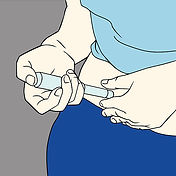
A study published in The Journal of the American Medical Association (JAMA) suggests that contracting COVID-19 may hasten the onset of apparent symptoms of Type 1 diabetes in children, an autoimmune illness.
Researchers from the Institute of Diabetes Research, Helmholtz Munich, Germany, who were involved in this study discovered that children with islet autoantibodies, or early-stage Type 1 diabetes, developed diagnosable symptoms of the illness more quickly following a COVID-19 infection than children who were not infected.
Unusual appetite and thirst, frequent urination, exhaustion, and blurred vision are all signs of type 1 diabetes.
From 2020 to 2023, the Fr1da study (for Type 1 diabetes) tested children for both COVID-19 antibodies and islet autoantibodies, providing valuable data on the link between SARS-CoV-2 and Type 1 diabetes.
The study found that the rate of Type 1 diabetes diagnoses among children in the early stages of the disease increased more rapidly during the COVID-19 pandemic compared to pre-pandemic rates.
Click here to read more
Content Editor: Dr. Sakshi
Journal of the American Medical Association (JAMA)
Source :
Published on :
July 24, 2024
COVID-19, type 1 diabetes
Clean air dream deferred: CSE Report highlights shortcomings in NCAP

The Ministry of Environment, Forests, and Climate Change introduced The National Clean Air Programme (NCAP) in January 2019. The goal is to reduce particle pollution by up to 40% by 2025–2026 compared to the base year of 2019–20. Setting clean air targets for 131 designated unhealthy cities is a first for the country.
The Centre for Science and Environment (CSE) has raised concerns about the NCAP, stating it risks becoming merely a dust control initiative.
Key points from their recent assessment include:
1. 64% of NCAP and 15th Finance Commission funds have been spent on road dust mitigation, with minimal allocation for controlling emissions from industries, vehicles, and biomass burning.
2 . The current focus on PM10 as the benchmark for city performance should shift to the more harmful PM2.5.
3. There is a disconnect between the NCAP and Swachh Bharat Survekshan performance metrics, leading to inconsistencies in city rankings.
4. NCAP must support energy transitions across industries, transport, and households, and integrate sustainable mobility and waste management practices.
5. Of the funds utilized, disparities exist in fund allocation between different cities.CSE emphasizes the need for repurposed strategies to effectively improve air quality.
Click here to read more
Content Editor: Dr. Sakshi
Centre for Science and Environment
Source :
Published on :
July 24, 2024
Air quality, public health
Curbing junk food in colleges: A push for healthier canteens

India is grappling with a severe health crisis, marked by a surge in obesity, diabetes, and other chronic diseases. A staggering one in four Indians is affected by these conditions, according to the ICMR report of 2020-2023.
National Advocacy in Public interest (NAPi) is a national think tank on nutrition-consisting of independent experts in epidemiology, human nutrition, community nutrition and pediatrics, medical education, administration, social work, and management.
NAPi is urging for a transformation in school food environments to combat the escalating obesity and diabetes crisis.
By banning unhealthy food sales and promoting nutritious options in school canteens, NAPi aims to accelerate the implementation of the National Multi-Sectoral Action Plan.
In view of the advocacy measure, the University Grants Commission (UGC) has advised the Higher Education Institutions (HEIs) to forbid the sale of unhealthy foods, promoting healthier food options.
Content Editor: Dr. Sakshi
Social Trends
Source :
Published on :
July 24, 2024
Obesity, Unhealthy packaged food, Policy action
The need for comprehensive co-ordinated strategies to control the influenza outbreak

The Indian poultry sector plays a critical role in ensuring food security and also boosts trade and exports, leading to economic growth.
However, the Highly Pathogenic Avian Influenza (HPAI) outbreaks hinder this sector’s potential.
Hence, to address the HPAI’s evolving outbreak, a high-level brainstorming session was conducted at the Department of Animal Husbandry and Dairying.
The following key points were emphasized:
Importance of one health approach in addressing HPAI
Need for continued surveillance of migratory birds and environmental surveillance of water bodies during the winter season
The need for further research for vaccines with better immunity for both humans and poultry birds
The team concluded that vaccination of the birds with the currently available vaccines would not be sufficient as they do not produce complete immunity.
Click here to read more.
Content Editor: Dr. Swathi Shenoy
Press Information Bureau
Source :
Published on :
July 23, 2024
Influenza, outbreak, infectious diseases
Launch of the virtual node to tackle the rise in metabolic diseases
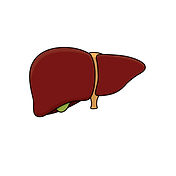
Union Minister Dr. Jitendra Singh recently launched the Indo-French Liver and Metabolic Disease Network (InFLiMeN) to jointly address the rising burden of Non-Alcoholic Fatty Liver Disease (NAFLD).
InFLiMeN, a virtual node, will aid in addressing the critical issues related to NAFLD and help prevent and cure these metabolic liver diseases at ILBS, Delhi.
With the rising burden of NAFLD, there is a need to develop simple, low-cost diagnostic tests that will aid in the early detection of NAFLD, thereby preventing its progression to severe diseases.
InFLiMeN will help understand the development, progression, and management using a comprehensive omics approach for biomarker discovery.
This initiative will provide point-of-care India-specific interventions to address the differences the Indian phenotype faces.
Click here to read more.
Content Editor: Dr. Swathi Shenoy
Press Information Bureau
Source :
Published on :
July 23, 2024
Public health, Noncommunicable diseases, NAFLD
FSSAI’s proposal: Empower, educate and promote health

The Food Safety and Standards Authority of India (FSSAI) approved a proposal that aims to empower consumers to make healthier decisions.
The proposal includes the following:
To increase the font size of labels on packed food.
To display information concerning total sugar, salt, and saturated fats in bold letters.
It will include the percentage of the food item's total sugars, saturated fats, and salt that contributes to the RDA per serve.
This move will also contribute to the ongoing efforts to address the risk of NCDs.
This proposal will increase the consumer's knowledge of nutrients and promote public health and well-being.
Click here to read more.
Content Editor: Dr. Swathi Shenoy
Press Information Bureau
Source :
Published on :
July 23, 2024
Nutrition, Noncommunicable disease, Public health
Prevalence and reporting of harassment in specialist branch: Findings from a study

Despite being female-dominated fields, the prevalence of sexual harassment, bullying, abuse, and discrimination among OB-GYN clinicians and trainees was not known.
The study tried to find interventions to reduce harassment in OB-GYN and other surgical specialties.
The findings of the study were:
OB-GYN field shows high rates of harassment - sexual harassment (27.6-70.9%), workplace discrimination (57.0-67.2% for women, 38.5% for men), and bullying (52.8%).
The study saw low reporting rates, between 8.4 and 12.5% for clinicians and 32.6% for trainees.
25.1% of medical students reported mistreatment during OB-GYN rotations.
The main perpetrators were physicians (30.1%), other trainees (13.1%), and OR staff (7.7%).
The interventions studied were limited, mainly targeting medical students.
Some interventions improved bias recognition and reporting.
However, no interventions significantly decreased sexual harassment frequency.
This study highlighted that more research is needed on effective interventions for all levels of OB-GYN practitioners.
Click here to read more.
Content Editor: Dr. Prachi
JAMA Network Open
Source :
Published on :
July 23, 2024
Sexual harassment, Research findings, Mental health
Swachh survekshan 2024: Focus on bulk waste generators

The Ministry of Housing and Urban Affairs (MoHUA) launched the third quarter (Q3) of Swachh Survekshan 2024, which focused on waste management at Bulk Waste Generators (BWGs).
The first two quarters involved citizen feedback on city cleanliness, the third focused on assessing processing facilities, and the fourth included field assessments on all indicators.
BWGs generate 30-40% of urban waste, including residential complexes, commercial entities, and public institutions.
Mandates include waste segregation, biodegradable processing, and separate Construction & Demolition (C&D) waste management.
Q4 of Swachh Survekshan 2024 is expected to complete the assessment cycle in September – October 2024.
Click here to read more.
Content Editor: Dr. Anamika
Press Information Bureau
Source :
Published on :
July 23, 2024
Waste Management, Sustainability
Digitalization and its inequitable environmental impact: Digital economy report 2024

The United Nations Trade and Development (UNCTAD) released the Digital Economy Report 2024 in July 2024.
The report details that global digitalization has led to rapid Information and Communications Technology growth.
However, the growth comes at the cost of environmental harm, increasing disproportionately across countries.
Digitization is accompanied by a shift in demand from carbon to minerals like cobalt and graphite, which are deposited in developing countries like Africa.
The demand can rise by 500% by the year 2050.
Wastes related to the digital sector have increased by 30% from 2010 to 2022, reaching 10.5 million tons worldwide.
Improper waste handling and disposal contribute to the environmental degradation caused by resource extraction and other processes, with developing countries being the most affected.
The UNCTAD calls for sustainable circular economy models that emphasize the reuse and recycling of e-waste.
It advocates for stricter rules and regulations to mitigate environmental footprints.
It asks for cooperation between nations on waste management and resource extraction for an equitable digital economy.
Click here to read more.
Content Editor: Dr. Urmimala
United Nations Trade and Development
Source :
Published on :
July 22, 2024
Environmental Health, e-waste, Economic Inequities
Polio control in Somalia: The current status and challenges
Efforts to eradicate polio have faced significant challenges, despite effective vaccination and surveillance strategies.
In Somalia, ongoing civil unrest since 1991 has severely disrupted public health initiatives, resulting in low vaccination coverage—47% for OPV and 42% for IPV.
From January 2017 to the present, 39 cases of circulating vaccine-derived poliovirus type 2 (cVDPV-2) have been reported across 14 of 20 regions, with 87% of cases occurring in the politically unstable South-Central regions.
Approximately one in six children under five years old remains inaccessible for vaccination.
Through AFP surveillance, there were 1,921 cases of non-polio acute flaccid paralysis (NPAFP), with 231 children unvaccinated, 95% of whom were from the South-Central region.
Environmental surveillance from 2018 to 2023 indicated that 90% of poliovirus detections occurred in Banadir state.
The WHO, through regular vaccination campaigns and supplementary immunization activities, strives to improve coverage and address these challenges.
To enhance vaccination efforts in areas with stringent security constraints, priorities include humanitarian aid and quality improvement measures.
Strengthening vaccination programs in these regions is crucial to achieving polio eradication and preventing further outbreaks in Somalia.
Content Editor: Dr. Ghurumourthy
WHO News Section
Source :
Published on :
July 22, 2024
Polio, Vaccine preventable diseases, Surveillance, Elimination
Status of tuberculosis preventive treatment in SEAR Countries

A workshop in Chennai, India, involving SEAR countries' TB program managers and experts, highlighted key challenges in implementing TPT (TB Preventive Treatment).
The data on TPT guidelines, target groups, diagnostic tests, regimens, adherence mechanisms, and information systems were collected via a questionnaire and presented during the workshop using e-posters.
Participants identified several challenges, including:
Poor demand and acceptance among beneficiaries
Low provider confidence
Difficulties in ruling out active TB
Supply chain issues
Inadequate support systems
The workshop emphasized the need for robust community mobilization, provider capacity building, and improved diagnostic access.
Strategies such as the use of chest radiography, better supply chain management, and strong advocacy plans were recommended to enhance TPT delivery.
Research priorities included developing comprehensive intervention strategies, improving access to diagnostics, and integrating TPT into real-time TB management systems.
The workshop concluded that effective implementation requires collaboration among stakeholders, sustained training, and addressing logistical challenges to maximize the benefits of TB preventive therapy.
Click here to read more.
Content Editor: Dr. Ghurumourthy
Public Health in Practice
Source :
Published on :
July 22, 2024
Tuberculosis, Infectious diseases, Prevention
Acute emergencies monthly report: May 2024

The WHO Health Emergencies Programme aims to enhance member states' capability to manage health emergencies and coordinate international responses during crises.
In May 2024, the programme reported three disease outbreak news (DON) events, including a global dengue outbreak with over 7.6 million cases and more than 3,000 deaths, particularly severe in the Americas, exceeding last year's annual total cases of 4.6 million.
Effective control requires robust real-time surveillance to detect and manage cases, co-infections, and misdiagnoses.
Additionally, an outbreak of hepatitis E in Chad, linked to inadequate sanitation among displaced populations, saw 2092 suspected cases and seven deaths.
Controlling the outbreak involves WHO and multiple partners, emphasizing safe water and hygiene.
The report also covered three MERS-CoV cases in Saudi Arabia, stressing the importance of healthcare worker safety and ongoing vigilance.
The global cholera situation remains dire, with nearly 195,000 cases reported across 24 countries and the vaccine supply struggling to meet demand.
Click here to read more.
Content Editor: Dr. Ghurumourthy
Weekly epidemiological record, World Health Organization
Source :
Published on :
July 22, 2024
Outbreaks, Emergencies, Infectious diseases, International health
Empowering aspirational districts and blocks: NITI Aayog’s ‘Sampoornata Abhiyan’ initiative

NITI Aayog launched a new campaign ‘Sampoornata Abhiyan’ from 4th July – 30th September 2024.
It aims to achieve saturation of 6 key indicators in 112 Aspirational Districts and 500 Aspirational Blocks.
District (KPI’s) Key Performance Indicators identified are:
Antenatal Care registration
Supplementary Nutrition for pregnant women
Child immunization
Soil Health Cards distribution
Functional electricity in schools
Timely textbook provision in schools
Block KPIs:
Antenatal Care registration
Diabetes and Hypertension screening
Supplementary Nutrition for pregnant women
Soil Health Cards generation
Revolving Fund for SHGs
The Implementation of this campaign ensuring active community participation is planned via:
3-month Action Plan
Monthly progress tracking
Awareness campaigns
Monitoring visits
The Aspirational Districts Programme (2018) and Aspirational Blocks Programme (2023) target rapid development and service saturation in backward areas across health, nutrition, education, and infrastructure.
NITI Aayog, with Central Ministries and State Governments, aims to enhance planning, implementation, and sustainable service delivery in Districts and Blocks
Click here to read more.
Content Editor: Dr Sumana
Press Information Bureau
Source :
Published on :
July 20, 2024
Healthcare delivery,
Evidential breath alcohol analyzer: Preventing wrongful penalties

The Legal Metrology Division, which deals with the calibration of measuring instruments under the Department of Consumer Affairs, Government of India, drafted new rules for Evidential Breath Analyzers.
These rules may be called the Legal Metrology (General) (Amendment) Rules, 2024.
They are mentioned in the eighth schedule specifications for measuring instruments, part xiii- evidential breath analyzer.
An evidential breath alcohol analyzer (EBA) is a device that uses end-expiratory breath air.
It prints measurement results as the mass concentration of alcohol in a specified volume of exhaled air within specified error limits.
Types:
Stationary EBA
Transportable EBA
Portable EBA.
To ensure accuracy, the Evidential Breath Analysers must be verified and stamped according to the Legal Metrology Act, 2009.
This verification protects individuals from wrongful penalties due to faulty equipment and helps maintain the integrity of legal and workplace policies.
The draft rules have been released, which state that the analyzers follow standardized testing procedures, ensuring consistent and reliable results across different devices.
This would help in swiftly identifying people under the influence of alcohol.
It was ordered that the existing EBAs be verified and stamped.
The rules have mentioned various tests to ensure the correctness of the instrument.
Click here to read more.
Content Editor: Dr. Sivanthiga
Press Information Bureau
Source :
Published on :
July 20, 2024
Metrology, measurement, climate
Stop diarrhea campaign 2024: To eliminate child deaths due to diarrhea

The Union Minister launched the National Stop Diarrhoea campaign to achieve zero child deaths from diarrhea.
The campaign will be of 2-month duration (July-August 2024), and distribution of ORS packets and zinc to under-5 children will be done.
The key focus areas:
Strengthening health infrastructure
Increasing access to safe WASH services
Enhancing nutritional programs
Promoting hygiene education
The initiative builds on previous efforts like Mission Indradhanush, the Rotavirus vaccine, and Swachh Bharat Abhiyan.
Ministers emphasized the importance of prevention, awareness, and healthcare worker engagement.
The campaign involves collaboration with various ministries for comprehensive implementation.
Click here to read more.
Content Editor: Dr. Prachi
Press Information Bureau
Source :
Published on :
July 20, 2024
Diarrheal disease, Infectious diseases, Under-five
WHO report: 2.6 million annual deaths due to alcohol consumption

The WHO’s latest report underscores the severe public health impact of alcohol and drug use.
In 2019, 2.6 million deaths were attributed to alcohol, predominantly among men.
The report reveals that 400 million people globally suffer from alcohol use disorders.
Dr. Tedros Adhanom Ghebreyesus, WHO Director-General, emphasized the urgent need for actions to reduce alcohol consumption and enhance substance use disorder treatments.
Despite slight decreases in alcohol consumption, death rates remain high, especially in low-income countries.
The report calls for global efforts to meet SDG target 3.5 by 2030, focusing on prevention, treatment accessibility, and reducing the stigma around substance use disorders.
Effective measures include advocacy campaigns, healthcare professional training, and resource mobilization.
Click here to read more.
Content Editor: Dr. Manjeet
WHO News Section
Source :
Published on :
July 20, 2024
Substance abuse, Alcohol, Lifestyle
Global call to action on desertification and drought

Desertification and drought are severe environmental challenges, with up to 40% of global land already degraded.
Healthy land is crucial for food security, employment, and protection against natural disasters.
However, unsustainable resource use and growing populations exacerbate land degradation, driving forced migration and displacing millions.
Over one billion young people in developing countries, reliant on land for sustenance, face limited job prospects.
Addressing these issues through eco-entrepreneurship and best practices can offer viable solutions.
Desertification and Drought Day 2024 focuses on the future of land stewardship, urging global action to preserve this vital resource and ensure stability and prosperity for billions worldwide.
The theme for this year, “United for land, our legacy, our future,” aims to combat this raising concern.
Click here to read more.
Content Editor: Dr. Manjeet
UN News Section
Source :
Published on :
July 20, 2024
Climate Change, Environment & Health, One health
GAVI launches support for human rabies vaccines in routine immunization

GAVI supports human rabies vaccines for post-exposure prophylaxis (PEP) within routine immunization programs.
This initiative targets Africa and Asia, where 95% of rabies deaths occur, often in marginalized communities.
This effort, part of the Zero by 30 campaign to eliminate dog-mediated human rabies by 2030, aligns with global partners, including the Food and Agriculture Organization (FAO), the World Health Organization (WHO), and the World Organization for Animal Health (WOAH, formerly OIE).
Dr. Jérôme Salomon of WHO emphasized the importance of this commitment in preventing human rabies fatalities.
Eligible countries can apply for GAVI support by mid-July 2024.
GAVI’s Chief Programme Officer, Aurélia Nguyen, stressed the aim of ensuring equal access to rabies vaccines.
Initially planned for 2021, this program was postponed due to the COVID-19 pandemic and has now been reactivated.
Click here to read more.
Content Editor: Dr. Manjeet
WHO News Section
Source :
Published on :
July 19, 2024
Rabies, Animal bite, Immunization, Global Health
WHO issues comprehensive guidelines for global tobacco cessation

WHO’s new guideline offers a robust framework for tobacco cessation, targeting over 750 million users wishing to quit.
The recommendations encompass all forms of tobacco, including cigarettes, waterpipes, and smokeless products.
Dr. Tedros Adhanom Ghebreyesus, WHO Director-General, highlights the guideline’s potential to reduce the global burden of tobacco-related diseases.
The guidelines emphasize that effective cessation therapies combining pharmacotherapy (varenicline, NRT, bupropion, and cytisine) with behavioral support significantly improve success rates.
WHO advocates for accessible treatments, especially in low- and middle-income countries, and prequalified Kenvue’s nicotine gum and patch in 2024.
It also includes digital tools like text messaging and apps that complement traditional counseling methods.
WHO urges healthcare providers and policymakers to adopt these guidelines to enhance global tobacco cessation efforts.
Click here to read more.
Content Editor: Dr. Manjeet
WHO News Section
Source :
Published on :
July 19, 2024
Non Communicable Diseases, Tobacco, Guidelines
WHO updates laboratory biosecurity guidance to enhance global safety

The WHO's updated laboratory biosecurity guidance strengthens measures to manage biological risks in health systems.
The key updates include enhanced cybersecurity for patient records, managing risks from new technologies like genetic modification and AI, and maintaining safety during emergencies.
Laboratories are crucial in patient diagnosis, disease surveillance, and R&D for treatments and vaccines.
The guidance helps countries establish robust frameworks for handling high-risk pathogens, especially those with fewer regulations.
It emphasizes strong governance through Institutional Biosafety Committees and national oversight.
Developed with input from WHO collaborating centers and advisory groups, this guidance promotes a risk-based approach to mitigate the misuse and accidental release of biological materials, ensuring safe and continuous biomedical research.
Click here to read more.
Content Editor: Dr. Manjeet
WHO News Section
Source :
Published on :
July 19, 2024
Global Health Security, Lab biosecurity, Guidelines
Governments’ self-assessment of the IPHS standards: 80% of the public health facilities below minimum standards

Approximately 80% of public health institutions in India do not have enough staff, equipment, or infrastructure to meet basic requirements as per the (Indian Public Health Standards) IPHS guidelines.
The statistics were provided by the government's National Health Mission (NHM) self-assessment.
Out of more than two lakh establishments, only 40,451 took part in the evaluation.
Of the facilities tested (including district hospitals, community health centers, and health and wellness centers), about 20% met IPHS requirements, and 42% received a score below 50%.
The IPHS are the set benchmarks for delivering minimum essential healthcare services.
The Center hopes to have 70,000 facilities compliant within 100 days, and surprise inspections to verify claims will be carried out.
The officials have said that the National Quality Assurance Standards (NQAS) physical assessment is essential in assessing the quality of healthcare provided at hospitals and community health centers.
The NQAS team will soon provide a virtual assessment of health and wellness centers.
Content Editor: Dr. Shubham
Social Trends
Source :
Published on :
July 19, 2024
Health Economics, Public Health Standards, Health System Strengthening
Impact of extreme heat in Delhi: An increase in nephrolithiasis cases

Kidney stone cases among young adults (20-40yrs) in Delhi have increased by 30–40%, which is related to the city's extreme heat and dehydration.
Evidence has shown that global climate change, with extremes of temperature, affects vulnerable population groups differentially, with higher rates of dehydration and subsequent episodes of nephron—or urolithiasis.
Urine's chemical content can cause stones due to dehydration from higher temperatures.
Some causes are genetic susceptibility and high oxalate consumption (found in foods like chocolates, berries, nuts, and green leafy vegetables).
Overindulgence in foods high in protein and sodium, hyperuricosuria, and hypercalciuria, like metabolic diseases, can increase patients' risks.
Severe back or abdominal discomfort, frequent urination urges, and even blood in the urine are common complaints.
Officials stress the importance of staying hydrated, drinking lots of fluids, and making dietary changes.
Content Editor: Dr. Shubham
Social Trends
Source :
Published on :
July 19, 2024
Heat waves, Kidney Stones, Climate Change
Rabid seals attack surfers: South Africa faces unusual rabies outbreak

Rabies spreads to people from the saliva of infected animals and is usually transmitted through a bite.
An incident was reported in Cape Town after a seal bit several surfers.
Four fur seals were euthanized for testing; three tested positive.
To date, 11 fur seals in South Africa have tested positive for rabies, marking the first significant marine mammal outbreak.
The symptoms include fever, pain, and unusual sensations at the wound site, followed by brain and spinal cord inflammation, leading to hyperactivity, hallucinations, hydrophobia, and paralysis.
Rabies is common in regional wildlife but rare in seals.
There is a potential risk of seal-to-human transmission as well.
About 2 million fur seals live in the area, raising concerns about the virus spreading within colonies and to other species like otters.
The following public safety measures are being taken by officials to prevent potential spread :
1. Vaccination of the surfers and swimmers if bitten.
2. Closing of beaches by lifeguards if aggressive seals are seen.
3. Dog owners are urged keep pets leashed.
Content Editor: Dr Sakshi Aggarwal
Social Trends
Source :
Published on :
July 18, 2024
Rabies outbreak, One Health, Zoonotic disease
Infodemics and COVID-19 vaccine intentions in the United States: Study findings

A study in Science reveals that unflagged, factual, but misleading Facebook posts in the United States reduced the intent to receive the COVID-19 vaccine 46 times more than flagged false posts.
Researchers from MIT and UPenn surveyed thousands about the influence of 130 vaccine-related headlines.
They extrapolated results to predict the impact of 13,206 Facebook links on the vaccination intentions of 233 million US users.
They found that unflagged, misleading content from credible sources was viewed hundreds of millions of times and significantly reduced vaccination intentions by 2.28 percentage points per user, compared to 0.05 percentage points for flagged content.
The study highlights that exposure had a greater impact than flagging status, suggesting that content moderation should also prioritize reviewing widely viewed content rather than just identifying false information.
Click here to read more.
Content Editor: Dr. Sangya
Center for Infective Disease Research and Policy
Source :
Published on :
July 18, 2024
COVID-19 Vaccination, Research Findings
MeDevIS: WHO launches global platform for medical device information

MeDevIS (Medical Devices Information System), the WHO’s new online platform, is a comprehensive repository of information on 2301 types of medical devices, providing a wealth of knowledge at your fingertips.
MeDevIS is designed to aid governments, regulators, and users and covers a range of health issues, from reproductive health to non-communicable diseases and infectious diseases like COVID-19.
Dr. Yukiko Nakatani, WHO Assistant Director-General, emphasized the platform's role in navigating the growing complexity of medical technologies.
MeDevIS consolidates data from various international sources, offering a user-friendly interface for checking device specifications, required infrastructure, and supported healthcare levels.
By referencing international naming systems like EMDN (European Medical Device Nomenclature ) and GMDN (Global Medical Device Nomenclature), MeDevIS simplifies device nomenclature, aiding in regulatory approval and procurement processes, ultimately contributing to improved global health technology access.
Click here to read more.
Content Editor: Dr. Manjeet
WHO News Section
Source :
Published on :
July 18, 2024
Health System innovation, Newer Update, Medical devices