.png)
Follow Us!


Public Health Chronicle
Latest public health news and updates of the world
Public Health News Snippets 14 - 19th October, 2024
Mental Health Risks in Cancer Survivors Persist Long-Term

A recent study published in eClinicalMedicine reveals that cancer survivors face elevated risks of mental health issues, including depression, anxiety, non-fatal self-harm, and suicide, compared to cancer-free individuals.
Researchers conducted a cohort study using UK electronic health records from over 853,000 cancer survivors and 8.1 million cancer-free individuals.
The study focused on survivors of the 20 most common cancers and examined mental health outcomes over short, medium, and long-term follow-up.
The methodology involved matching cancer survivors with cancer-free individuals based on age, sex, and general practice, and analyzing their risks for new mental health episodes using Cox regression models.
The results showed that survivors of cancers with poorer survival rates, such as lung and pancreatic cancers, experienced significantly higher risks of depression, anxiety, and self-harm.
These risks were highest within the first year after diagnosis but persisted for more than five years for many cancer types.
The study concludes that cancer survivors need enhanced psychological support, especially those with poorer prognosis cancers.
The findings highlight the importance of addressing the long-term mental health impacts of cancer survivorship.
Click here to read more
Content Editor: Dr. Dr Ghurumourthy
eClinicalMedicine
Source :
Published on :
October 18, 2024
Mental Health, Cancer Survivor
Emergency Department Visit Rates for Acute Upper Respiratory Infections in U.S. Children and Adolescents (2021-2022)

In the year 2021-2022, children and adolescents in the United States had an emergency department (ED) visit rate of 38.6 per 1,000 for acute upper respiratory infections (URI).
The highest visit rate was observed in infants under one year at 120.5 per 1,000, while the lowest was in adolescents aged 12-17 at 14.4 per 1,000.
Regardless of whether they were viral or bacterial, these infections had a significant impact on younger age groups, and the rates decreased as age increased.
The data was collected from the National Hospital Ambulatory Medical Care Survey, which focused on general hospitals throughout the United States, excluding federal and military facilities.
Click here to read more
Content Editor: Dr. Chinmay
CDC, National Center for Health Statistics, National Hospital Ambulatory Medical Care Survey, 2021–2022
Source :
Published on :
October 18, 2024
Quickstats, child and adolescent health, upper respiratory infection
Tiruchirappalli pioneers a Community-driven sanitation revolution

Tiruchirappalli, a vibrant city in Tamil Nadu, is setting a powerful example of urban sanitation through its community-managed toilet initiative.
In areas previously known for poor sanitation, the city’s slums have witnessed a remarkable transformation.
Approximately 400 public toilets have been constructed, with 150 of them managed by women-led self-help groups (SHGs), known as Sanitation Hygiene Education (SHE) teams.
These groups play a vital role in maintaining hygiene standards, which has significantly contributed to Trichy becoming an Open Defecation Free (ODF) city.
As India marks the 10th anniversary of the Swachh Bharat Mission, this initiative highlights the importance of community participation in sustaining sanitation infrastructure.
The ongoing Swabhav Swachhata Sanskaar Swachhata (4S) campaign celebrates Trichy’s success, demonstrating how grassroots efforts can lead to lasting, sustainable improvements in public health and cleanliness.
This story of Tiruchirappalli reminds us that the true change can come from within the community
Click here to read more
Content Editor: Dr. Dheena
Press Information Bureau
Source :
Published on :
October 18, 2024
Environmental Hygiene, Cleanliness Drive, Community Participation
The plight of Trans-genders in Pakistan

Only 221 transgenders currently benefit from the Benazir Income Support Programme (BISP), a key social protection initiative that provides PKR 10,500 (approximately $37.50) quarterly to 8.6 million recipients nationwide.
Following the devastating floods of 2022, about 95% of transgender individuals were unable to access relief programs due to challenges in producing identity documents.
Many lack ownership papers for their residences and utility bills in their names, which further complicates their eligibility for assistance.
Additionally, few have been able to participate in the government's free solar panel distribution initiative launched in August.
Transgender individuals are notably absent from Pakistan's National Disaster Management Authority (NDMA) disaster management guidelines, highlighting systemic gaps in support for this community.
Click here to read more
Content Editor: Dr. Tanya
Transgenders, Social issues
Source :
Published on :
October 18, 2024
Social Trends
ICGA- Indian Cancer Genome Atlas launched

The Indian Cancer Genome Atlas (ICGA) foundation has launched a portal to provide breast cancer patients with their DNA, RNA, and protein profiles and clinical outcomes.
With a set of data coming from the West, there can be major variances in genetic variants in cancer among Indian patients. The platform aims to increase our understanding about these variations.
The platform now has data from 50 breast cancer patients in an attempt to increase ethical communication and cooperation in the field of cancer research. In the future, data from more than 500 patients are going to be covered, though.
The International Consortium for Genome Atlas (ICGA) is modeled after the U.S.-based Cancer Genome Atlas and aims to develop an ecosystem of drug firms, diagnostic businesses, and hospitals by offering incentives for data sharing.
It is based on the cBioPortal Platform which guarantees smooth integration with worldwide cancer research endeavors.
The program aims to transform cancer research in India by assisting scientists and medical professionals in creating individualized treatment plans.
Click here to read more
Content Editor: Dr. Shubham
ICGA Foundation
Source :
Published on :
October 17, 2024
Cancer Registry
Case of re-emerging illness, Murine Typhus, reported in Kerala

On 11th October 2024, the Kerala State Surveillance Unit, Directorate of Health Services, reported one case of Murine Typhus in Thiruvananthapuram district.
A 75-year-old resident of Kerala, who had returned from Vietnam and Cambodia, fell ill on 8th September.
After several tests and consideration of the travel history, the patient was diagnosed with Murine Typhus.
The bacteria, Rickettsia typhi, causes illness in rats, cats, or opossums.
The vector, the Oriental rat flea, can infect humans or animals through a bite that creates a wound.
When flea dirt (flea feces containing the bacteria) is rubbed into the wound, it leads to infection. Symptoms include fever, chills, rash, and headache.
While it can cause severe illness, the case fatality rate is less than 1%. Treatment with doxycycline aids recovery from the illness.
Kerala has been reporting cases of scrub typhus, but this was the first case of Murine Typhus.
Although the risk of spreading the illness is low, as it is not transmitted from human to human, preventive measures are recommended. They include keeping rodents away from homes and workplaces by maintaining safe, clean, and hygienic practices, and protecting oneself from flea bites.
Click here to read more
Content Editor: Dr. Urmimala
Directorate of Health Services, Kerala; Centre for Disease Control
Source :
Published on :
October 17, 2024
Infectious Disease, Re-emerging illness, Murine Typhus
Burkholderia multivorans Infections Linked to Contaminated Ice Machines in Hospitals (2020-2024)

Between 2020 and 2024, four hospitals in California and Colorado reported a total of 46 cases of Burkholderia multivorans infections.
The source of these infections was found to be contaminated ice and water from hospital ice machines.
Whole genome sequencing confirmed that the ice machines harbored the same bacterial strain (ST659).
The bacteria primarily affected immunocompromised and critically ill patients, causing respiratory, blood, and intra-abdominal infections.
Investigations by public health authorities revealed that these hospitals used identical ice machines and similar sanitizing products, which likely contributed to the contamination.
As a response, public health officials advised against using tap water and ice from these machines during patient care activities.
Although the ice machines were replaced, sporadic infections persisted.
This outbreak emphasizes the critical importance of implementing rigorous water management practices in hospitals to prevent similar incidents.
Click here to read more
Content Editor: Dr. Chinmay
CDC
Source :
Published on :
October 17, 2024
International health news, outbreak, infectious diseases
Implications of reducing screen time on child’ mental health

A study published in JAMA Network Open observed that reducing screen media use significantly improves the mental health of children and adolescents.
The study involved 89 families and focused on a 2-week intervention to limit screen time to 3 hours per week.
The key outcomes of the study are behavioral improvement and prosocial behavior, and the findings include:
Behavioral Improvements: The intervention group showed a notable decrease in behavioral difficulties, particularly internalizing symptoms such as emotional and peer problems.
Prosocial Behavior: Children in the screen reduction group exhibited enhanced prosocial behavior, indicating better social interactions.
Short-term reduction in screen media use positively affects children's and adolescents' mental health.
Click here to read more.
Content Editor: Dr. Sathya Prashaath
JAMA Network Open
Source :
Published on :
October 12, 2024
Screen time, Mental health, Child health
India's health revolution: 100 days of transformative innovations

The Union Health Minister applauded the Department of Health Research's successful implementation of the 100 Days Program, which signaled a major advancement in healthcare innovation.
Major accomplishments include:
The Med-Tech Mitra project: It has helped over 250 medical innovation firms.
National One Health Mission launched to improve pandemic preparedness
Establishment of the Network of BSL-3 Laboratories
A successful H5N1 "Vishanu Yudh Abhyas" simulation drill was carried out during the pandemic preparation.
To improve the nation's response to infectious diseases, six Viral Research and Diagnostic Laboratories (VRDL) are being converted into Integrated Research and Diagnostic Laboratories (IRDL)
The Program for Development of Indigenous Drugs for Rare Diseases aims to lower the cost of treating diseases like muscular dystrophy.
Moreover, high-risk, high-reward biomedical research will be funded under the "First in the World" Challenge, establishing India as a pioneer in international healthcare solutions.
These revolutionary actions demonstrate India's resolve to achieve Atmanirbhar(self-reliance) in the healthcare sector by 2047.
Click here to read more.
Content Editor: Dr. Dheena
Press Information Bureau
Source :
Published on :
October 12, 2024
Health Research, Government Initiatives, Innovation
Antimicrobial resistance in India: The status and the way ahead

India has reaffirmed its resolute dedication to tackling the increasing challenge of Antimicrobial Resistance (AMR) at the United Nations General Assembly (UNGA).
Union Minister of State for Health and Family Welfare, Smt. Anupriya Patel stressed the immediate necessity for worldwide collaboration to confront this vital challenge.
Key Points:
She pointed out that AMR jeopardizes years of advancements in contemporary medicine and poses a significant danger to global public health.
She emphasized India's remarkable progress in the battle against AMR through its National Action Plan (NAP AMR), which includes enhancing surveillance systems, advocating for responsible antimicrobial usage, and bolstering infection prevention and control measures.
She called for incorporating AMR containment strategies into various health initiatives, such as pandemic preparedness, strengthening health systems, and achieving universal health coverage.
India's revamped NAP-AMR 2.0 emphasizes collaborative efforts across sectors, leveraging "One Health" approaches.
The UNGA High-Level Meeting on AMR was vital to elevate awareness and bolster global initiatives to address this expanding health crisis.
Click here to read more.
Content Editor: Shayari
Press Information Bureau
Source :
Published on :
October 12, 2024
AMR, One Health, Global Health
Financial empowerment of girls: The success of Sukanya Samriddhi Yojana

Sukanya Samriddhi Yojana is transforming the lives of young girls in India, promoting financial security and empowerment.
Launched in 2015 under the ‘Beti Bachao, Beti Padhao’ campaign, it aims to secure the future of girls by opening savings accounts for them.
Over 4.50 lakh accounts have been opened, with 487 villages declared as complete Sukanya Samriddhi Grams in the North Gujarat region.
Economic Empowerment: The scheme promotes financial security for girls, supporting their education, career, and marriage.
Interest and Tax Benefits: Offers an 8.2% interest rate and income tax exemptions.
Click here to read more.
Content Editor: Dr. Sathya
Press Information Bureau
Source :
Published on :
October 10, 2024
Empowerment, National schemes
Ayushman Bharat: A milestone in universal health coverage

Ayushman Bharat PM-JAY, launched in 2018, has covered over 12 crore families.
Achievements of PMJAY: Over 35.4 crore Ayushman cards issued, 7.79 crore hospital admissions authorized, and ₹1,07,125 crores in financial coverage provided.
Gender Equity: 49% of Ayushman cards issued to women, with significant hospital admissions utilized by them.
Impact of the scheme: The scheme has reduced out-of-pocket healthcare expenditures by 21 % and emergency loans by 8%, making life-saving treatments more affordable.
Expansion for Seniors: In 2024, the scheme expanded to offer free health coverage to all senior citizens aged 70 and above.
Portability and Network: Beneficiaries can access treatment at any of the 30,529 empanelled hospitals across India.
Click here to read more.
Content Editor: Dr. Sathya
Press Information Bureau
Source :
Published on :
October 10, 2024
Universal Health Coverage, Health insurance, Health
Building a tobacco-free future: Country's initiative for the youth in schools

A joint advisory was issued by the Union Ministry of Education and Ministry of Health & Family Welfare for the implementation of the Tobacco-Free Educational Institution (ToFEI) manual.
The main concerns included: 8.5% of school students in India used tobacco (GYTS 2019), over 5,500 children started using tobacco daily, and 55% of lifelong tobacco users began before age 20.
Since the launch, they are working on the following objectives:
Raising awareness of tobacco's harmful effects
Promoting cessation resources
Creating a tobacco-free environment
Improving enforcement of legal provisions regarding tobacco sales.
Click here to read more.
Content Editor: Dr. Anamika
Press Information Bureau
Source :
Published on :
October 10, 2024
Tobacco-free, Youth, Educational institutions
Global food regulators summit 2024: Advancing food safety and innovation worldwide

The second edition of the Global Food Regulators Summit 2024 was inaugurated by the Union Health Minister.
The summit emphasizes collaboration and innovation, aiming to share insights and best practices for ensuring safe and nutritious food worldwide.
It aims to establish a global platform for food regulators to share insights on food safety systems.
Focus areas include addressing foodborne illnesses, nutraceutical safety, novel foods, and microplastics.
New initiatives launched include the Food Import Rejection Alerts (FIRA) portal for notifying food import rejections and the Food Import Clearance System 2.0 (FICS 2.0) for faster processing and transparency.
The State Food Safety Index (SFSI) 2024 was released, with Kerala, Tamil Nadu, Jammu & Kashmir, Gujarat, and Nagaland leading the rankings.
Click here to read more.
Content Editor: Dr. Anamika
Press Information Bureau
Source :
Published on :
October 10, 2024
Food safety, Food regulators, Food security, Nutrition
Empowering youth: Launch of the tobacco free youth campaign 2.0

Union Minister of State for Health, Shri Prataprao Jadhav, launched the Tobacco Free Youth Campaign 2.0 alongside virtual Tobacco Cessation Centres.
The 60-day campaign focuses on:
Raising awareness about tobacco dangers, especially in youth and rural areas.
Ensuring compliance with Tobacco-Free Educational Institutions (ToFEI) guidelines.
Strengthening enforcement of tobacco control laws (COTPA 2003, PECA 2019).
Promoting Tobacco-Free Villages for healthier communities.
Enhancing social media outreach to inform youth about quitting tobacco.
The first campaign, launched on May 31, 2023, led to over 142,000 educational institutions and 12,000 villages being declared tobacco-free.
Click here to read more.
Content Editor: Dr. Anamika
Press Information Bureau
Source :
Published on :
October 10, 2024
Tobacco Control, Youth Health, Awareness Campaign
International Daughters Day: India's empowering initiatives

International Daughter's Day, observed on September 22nd, highlights the importance of empowering girls and investing in their future.
Key Highlights:
Sukanya Samriddhi Yojana: This savings scheme, launched in 2015, encourages parents to invest in their daughters' education and future by providing a dedicated account with attractive interest rates. Over 500 villages in North Gujarat have achieved the status of "Sukanya Samriddhi Gram" where all eligible girls have opened accounts.
Beti Bachao Beti Padhao: This flagship campaign, launched in 2015, aims to improve the status of girls in India by addressing gender disparities and promoting their education.
Other Initiatives:
Scheme for Adolescent Girls (SAG): Provides nutritional and health support to adolescent girls.
Scheme for Promotion of Menstrual Hygiene: Enhances menstrual hygiene practices for girls in rural areas.
UDAAN: Empowers girls to pursue careers in engineering by providing them with resources and support.
National Scheme of Incentives to Girls for Secondary Education (NSIGSE): Provides financial incentives to girls from Scheduled Castes and Scheduled Tribes to encourage their enrollment and retention in secondary education.
By investing in these initiatives, India is taking concrete steps to empower its daughters and ensure they have equal opportunities to thrive and contribute to society.
International Daughter's Day serves as a powerful reminder of the importance of these efforts and the need to continue working towards a future where all girls are valued and empowered.
Click here to read more.
Content Editor: Shayarai
Press Information Bureau
Source :
Published on :
October 5, 2024
Women Empowerment, Equity, Inclusion
Ayushman Bharat digital mission: Three years of transformation in India's healthcare

The Ayushman Bharat Digital Mission (ABDM) is marking its third anniversary, showcasing its impact on the nation's healthcare landscape.
Launched in September 2021, ABDM aims to establish a robust digital health infrastructure that enhances healthcare access, efficiency, and transparency.
Key Achievements:
Over 67 crore Ayushman Bharat Health Accounts (ABHA) created providing individuals with unique digital health IDs to securely manage their medical records.
Over 42 crore health records linked to ABHA streamlining access to medical histories for better healthcare delivery.
1.3 lakh facilities ABDM-enabled including over 17,000 private facilities, fostering greater interoperability in the healthcare ecosystem.
3.3 lakh health facilities and 4.7 lakh healthcare professionals registered creating a comprehensive national registry for better coordination.
Key Initiatives:
Scan and Share: QR-code based OPD registration reducing waiting times and improving data accuracy.
Digital Health Incentive Scheme (DHIS): Financial incentives to encourage adoption of digital health practices.
Microsites for Private Sector Adoption: Supporting private facilities in adopting ABDM.
ABDM aims to create a seamless digital healthcare ecosystem where every Indian citizen has access to their health records.
By fostering partnerships and collaborations with key stakeholders, ABDM continues to drive towards a more accessible, efficient, and patient-centric healthcare system in India.
Click here to read more.
Content Editor: Shayari
Press Information Bureau
Source :
Published on :
October 5, 2024
Digital Health, Ayushman Bharat Digital Mission, Innovation
India takes lead in tackling NAFLD: Revised guidelines released

The Union Health Ministry unveiled revised operational guidelines and a training module for NAFLD, highlighting India’s commitment to tackling this major non-communicable disease.
Union Health Secretary emphasized NAFLD’s link to metabolic disorders like obesity and diabetes, describing it as an emerging public health concern (out of 10 persons 1 to 3 persons will be having Fatty liver or related disease).
The updated documents aim to strengthen the capacity of healthcare workers—from community health workers to medical officers—to ensure early detection and comprehensive care.
The importance of empowering grassroots workers was underscored.
The strong connection between liver health and other NCDs was emphasized.
This initiative reflects India’s proactive approach to addressing the silent epidemic of NAFLD through a multidisciplinary and evidence-based framework.
Click here to read more.
Content Editor: Dr Dheena
Press Information Bureau
Source :
Published on :
October 5, 2024
Non Communicable Diseases, Non-alcoholic fatty liver disease, National programme
National webinar on Rabies control: Emphasis on vaccination and collaboration

Smt. Alka Upadhyaya, Secretary of Animal Husbandry, chaired a National Webinar on the eve of World Rabies Day 2024.
Key officials and over 1000 participants from veterinary departments, universities, and NGOs attended.
She urged for collaborative efforts to eliminate dog-mediated rabies, prioritising mass dog vaccination (MDV) as the most cost-effective control method.
The importance of controlling stray dog populations for effective rabies prevention was tressed upon.
The session highlighted public awareness, responsible pet ownership, and coordinated vaccination efforts.
Success stories from Goa, Kerala, and Sikkim were shared, showcasing effective models of rabies control through mass vaccination, sterilization, and awareness campaigns.
Dr. Simmi Tiwari, Joint Director and Head, Centre for One Health NCDC provided updates on India’s National Rabies Control Program, targeting rabies elimination by 2030.
Emphasis was placed on improving rabies surveillance, legislation, and reporting systems.
Click here to read more.
Content Editor: Dr Sumana
Press Information Bureau
Source :
Published on :
October 4, 2024
Rabies, Neglected tropical diseases, One health
Advancing rights and education for the deaf: Key initiatives on Sign Language Day 2024

Sign Language Day Celebrated on September 23, highlights the importance of sign language in promoting deaf individuals' rights globally.
The 2024 theme, "Sign up for Sign Language Rights," focuses on advancing Indian Sign Language (ISL) for inclusive education and empowerment.
Key initiatives include:
Introduction of 2500 new ISL terms for different fields and subjects.
100 ISL concept videos for 6th-grade students for developed learning.
ISL dictionary expanded to 10 regional languages.
Educational animated videos and deaf role model videos launched.
The Indian government’s schemes for persons with disabilities include ADIP for aids, scholarships, financial support for deaf colleges, and a diploma course in ISL teaching.
The Rights of Persons with Disabilities Act (2016) mandates free, inclusive education and 5% reservation for persons with disabilities in higher education.
Sign Language Day emphasises the importance of inclusive education and rights for the deaf community, with initiatives like the Samagra Shiksha Scheme supporting children with special needs through tailored resources and financial aid.
Click here to read more.
Content Editor: Dr Sumana
Press Information Bureau
Source :
Published on :
October 4, 2024
Disabilities rights, Inclusivity, Disabilities
Tackling global disparities in pediatric cancer care

Each year, around 400,000 children worldwide develop cancer, but only half are diagnosed, with survival rates varying significantly between high-income and low- and middle-income countries (LMICs).
In high-income countries, over 80% of children survive, compared to less than 30% in many LMICs.
The SNF Global Pediatric Cancer Program, a collaboration between Memorial Sloan Kettering Cancer Center and the Stavros Niarchos Foundation, aims to address these disparities through international healthcare collaborations.
The program improves access to precise diagnostics, treatment guidance, and molecular testing in LMICs.
It also focuses on training local healthcare providers to enhance care quality and uses digital health solutions for remote care delivery.
By expanding clinical expertise and providing local resources, the initiative aims to boost survival rates and ensure equitable cancer care for children globally.
Click here to read more.
Content Editor: Dr Ghurumourthy
Global Health Initiative
Source :
Published on :
October 4, 2024
Cancer, Equity, Universal health coverage
Discussions on the reforms in organ donation in India: A roadmap for the future

A two-day Chintan Shivir on "Reforms for Augmenting Organ and Tissue Donation and Transplantation" was organized by the Union Ministry of Health and Family Welfare in New Delhi.
The event gathered government officials, transplant professionals, NGOs, and state representatives to discuss critical reforms in technology, processes, and legislation aimed at improving organ donation and transplantation in India.
The Shivir focused on several key objectives, such as:
Discussing reforms needed to boost organ and tissue donation
Exploring technological advancements to improve donation and allocation processes
Proposing legislative changes to strengthen the legal framework.
The sessions also covered topics such as "One Nation, One Policy," transparency, and improving access and affordability of organ transplants, while preparing a roadmap for the future.
Click here to read more.
Content Editor: Dr Ghurumourthy
Press Information Bureau
Source :
Published on :
October 3, 2024
Organ Donation, Advancements, Public health
Listeria outbreak in US: 10 deaths reported

A Listeria outbreak linked to Boar’s Head deli-sliced meats, including liverwurst, has led to 59 confirmed cases and 10 deaths across 19 states in the US.
Contaminated meats produced between June and July 2024 have been recalled, and consumers are advised to discard these products or return them.
Listeria spreads easily through deli surfaces and equipment and can survive refrigeration, but it is killed by reheating food to 165°F.
High-risk individuals, including pregnant women, older adults, and those with weakened immune systems, have been advised to avoid deli meats unless properly reheated.
Businesses have been recommended to keep clean and sanitize deli areas thoroughly.
Click here to read more
Content Editor: Dr Ghurumourthy
Morbidity and Mortality Weekly Report, Centre for Disease Control and Prevention
Source :
Published on :
October 3, 2024
Food poisoning, Outbreak, Infectious disease
Mapping asthma hot spots: Uncovering urban trends and pandemic impacts in New York State

Asthma, a chronic lung condition, can be managed through proper clinical care and self-management.
The New York State Department of Health analyzed asthma-related emergency department (ED) visits from 2016 to 2022 using Esri’s Emerging Hot Spot Analysis.
The study revealed urban areas like Buffalo, Rochester, and NYC had significant asthma hot spots, with ED rates decreasing during the pandemic compared to pre-pandemic levels.
While many persistent hot spots became sporadic, some areas in NYC, particularly in the Bronx and Manhattan, saw intensifying hot spots.
This method enhances traditional mapping by identifying emerging geographic patterns and can be used to evaluate the impact of local-level interventions for asthma and other chronic conditions.
Click here to read more.
Content Editor: Dr Ghurumourthy
Morbidity and Mortality Weekly Report, Centre for Disease Control and Prevention
Source :
Published on :
October 3, 2024
Epidemiology, Chronic Respiratory Diseases, Asthma
Closing the gaps: Improving quality of life for older adults with HIV

A study using data from the Medical Monitoring Project (MMP) between 2017 and 2022 assessed quality of life (QoL) indicators among U.S. people living with HIV (PWH) aged ≥50 years.
The study focused on five QoL indicators set by the National HIV/AIDS Strategy (NHAS) for 2025: self-rated health, access to mental health services, unemployment, food insecurity, and housing stability.
Despite advances in HIV treatment, minimal progress was observed across most indicators.
In 2022, only 65% of PWH aged ≥50 years reported good or better health, falling short of the 95% goal.
Unmet need for mental health services rose to 21.5%, while unemployment decreased slightly from 11.7% to 8%.
Hunger or food insecurity improved, particularly for those aged ≥65 years, meeting the 2025 target.
However, housing instability remained a significant issue, with 12.5% of older PWH experiencing unstable housing, far from the 7.4% goal.
The findings highlight the need for tailored interventions, focusing on mental health services, employment support, and housing stability to meet the NHAS 2025 goals.
Multisectoral approaches and continued monitoring are essential to improving the overall QoL for older PWH.
Click here to read more.
Content Editor: Dr Ghurumourthy
Morbidity and Mortality Weekly Report, Centre for Disease Control and Prevention
Source :
Published on :
October 3, 2024
HIV/AIDS, Quality of Life, Infectious diseases
The United States commitment to address the global Mpox outbreak

The United States continues its global efforts to combat infectious diseases, including the ongoing Mpox outbreak.
In 2022, the country responded swiftly to the spread of Mpox by improving access to vaccines, tests, and treatments both domestically and globally.
A recent roundtable brought together global health leaders to enhance the response, especially in Africa.
The U.S. has pledged $500 million and one million vaccine doses to support African nations in controlling the outbreak, aligning efforts with the Mpox Continental Preparedness and Response Plan.
Support includes training health workers, disease surveillance, and improving laboratory diagnostics.
The US aims to foster partnerships with key institutions like the Africa CDC and WHO aim to build stronger health systems.
Click here to read more.
Content Editor: Dr Ghurumourthy
The White House, United States
Source :
Published on :
October 3, 2024
Global aids, International partnerships, Outbreak, Collaboration
US reports 2 deaths due to Eastern Equine Encephalitis
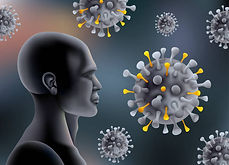
EEE presents in two forms:
Non complicated/ Febrile EEE
Complicated/ Neurological EEE
It spreads as a result of bite of infected mosquito or even through organ transplantation.
The virus circulates in the environment between mosquitoes and birds.
Non complicated EEE presents with fever, chills, bodyache, and joint pain, while complicated EEE with neurological involvement presents with fever, headache, vomiting, diarrhea, seizures, drowsiness, or even coma.
The febrile form of EEE resolves within a week or two.
Prevention:
No vaccine is available.
Use of insect repellents
Take steps to control mosquitoes indoors and outdoors
Click here to read more
Content Editor: Dr. Tanya
Social Trends
Source :
Published on :
October 2, 2024
Eastern Equine Encephalitis, EEE
CDC approves Flumist vaccine for self administration

Flumist, a live attenuated vaccine, has been approved for self administration for adults aged 18 years and above or for administration by a caregiver for those aged 2-17 years
This shall increase both convenience and accessibility, thereby favoring vaccine acceptance..
The vaccine can be procured online through the Flumist Online program. Adults aged 18 years and above have to complete an online questionnaire which is then reviewed by the pharmacist before shipment of the vaccine.
Click here to read more
Content Editor: Dr. Tanya
Social Trends
Source :
Published on :
October 2, 2024
CDC, Influenza, Vaccines
Hidden Hunger as a result of rising atmospheric Carbon

The rising atmospheric CO2 levels not only impact the air quality but also cause micronutrient deficiencies in plants which when consumed consequently lead to “hidden-hunger” among human beings.
Studies have shown that the additional carbon leads to higher concentration of starch and a decreased concentration of proteins and nutrients in the crops, particularly in global staple foods such as rice, wheat, potatoes, and barley.
A 2018 study published in Frontiers in Plant Science found that with rising carbon levels, protein levels drop by nearly 10%, iron by 16%, zinc by about 9%, and magnesium by about 9 %.
Way Forward:
Decreasing atmospheric CO2 levels
Food Fortification- India led a successful venture in this regard with the distribution of fortified rice with vitamins and minerals such as iron and zinc in its food security programmes.
Click here to read more
Content Editor: Dr. Tanya
Hopkins Bloomberg Public Health Magazine
Source :
Published on :
October 2, 2024
Fortification, Climate Change, Hidden Hunger, Micronutrient Deficiency
Mission Mausam 2024-2026 launched by Ministry of Earth Sciences

In a significant step to address the climate crisis, aiming to reduce the impact of extreme weather changes and increase community resilience to climate change, the Ministry of Earth Sciences launched Mission Mausam in September 2024.
The mission will be implemented by the India Meteorological Department, the Indian Institute of Tropical Meteorology, and the National Centre for Medium-Range Weather Forecasting.
By 2026, the mission aims to:
Establish an advanced weather surveillance system.
Enhance the accuracy of weather forecasting across temporal and spatial scales.
Develop data-driven methodologies for weather research and management.
Strengthen capacity building in weather monitoring and forecasting.
Click here to read more
Content Editor: Dr. Urmimala
Press Information Bureau
Source :
Published on :
September 27, 2024
Climate Change, Meteorology
Frequent Use of Mobile Phones and Cardiovascular Events: Sleep Behavior, Stress, and Neuroticism

A new study in the Canadian Journal of Cardiology links increased cell phone call time to a higher risk of cardiovascular events like stroke and heart failure.
Poor sleep, psychological distress, and neuroticism (2.25%-11.50%) are significant drivers of this association.
Regular cellphone users had a 4% higher risk of cardiovascular disease (hazard ratio [HR] 1.04, 95% confidence interval [CI] 1.02-1.06) compared to non regular users. The risk increased with more time spent on calls.
The risk is more pronounced in smokers (P for interaction 0.001) and people with diabetes (P for interaction 0.037).
The study was conducted by analyzing data from a large cohort of 444,027 participants over a significant period of 12.3 years. Information of cellphone usage, including call duration was collected and monitored the participants’ health outcomes, particularly cardiovascular diseases like stroke and heart failure.
The study is observational and cannot prove causation. They suggest focusing on overall healthy lifestyle habits to reduce cardiovascular risk.
Click here to read more
Content Editor: Dr. Shubham
Canadian Journal of Cardiology
Source :
Published on :
September 27, 2024
Cell phone Usage Risks, Digital
India Celebrates World Ozone Day: Montreal Protocol Key to Climate Action

India marked World Ozone Day 2024 with a focus on the Montreal Protocol's critical role in both protecting the ozone layer and combating climate change.
- The event focused on the theme "Montreal Protocol - Advancing Climate Actions", emphasizing the protocol's crucial role in both ozone layer protection and broader climate action initiatives.
- Union Environment Secretary Ms. Leena Nandan highlighted India's strong commitment to the Montreal Protocol, with successful implementation of phase-out targets ahead of schedule. This has not only benefitted the ozone layer but also contributed significantly to global climate change efforts.
- She also emphasized the importance of Prime Minister Modi's 'Ek Ped Maa Ke Naam' initiative, promoting a sustainable future and protecting the environment.
- The event included the release of publications on sustainable cooling technologies and the launch of awareness campaigns to promote climate-friendly lifestyles.
The celebration served as a reminder of the vital role of the Montreal Protocol in safeguarding the ozone layer and its impact on global climate action.
Click here to read more
Content Editor: Dr. Shayari
Press Information Bureau.
Source :
Published on :
September 27, 2024
Climate Change, Environmental Health
India Adopts BPaLM regimen for Treatment on Drug-Resistant TB

India has the world's largest TB laboratory network and a dedicated National TB Elimination Program (NTEP).
The NTEP has been working tirelessly to detect and treat TB patients, and the introduction of BPaLM is another key step in this fight.
India has approved a new, shorter treatment regimen for Multi-drug resistant tuberculosis (MDR-TB), marking a significant step towards the country's goal of eliminating TB by 2025.
- The new treatment, called BPaLM, combines four drugs: Bedaquiline, Pretomanid, Linezolid, and Moxifloxacin.
- BPaLM is proven to be safer, more effective, and quicker than previous MDR-TB treatments, curing patients in just six months (compared to up to 20 months previously).
- The introduction of BPaLM is expected to significantly accelerate India's progress towards its ambitious goal of ending TB.
The government is committed to eliminating TB by 2025, five years ahead of the global target.
Click here to read more
Content Editor: Dr. Shayari
Press Information Bureau.
Source :
Published on :
September 27, 2024
Tuberculosis, NTEP
Monkeypox Case in India Confirmed: Isolated, Not Part of Global Emergency

A suspected case of monkeypox in India has been confirmed as a travel-related infection. The individual, a young male, recently returned from a country experiencing active monkeypox transmission.
- The patient has tested positive for the West African clade 2 of the Mpox virus, different from the strain currently causing a global health emergency. This strain has been seen in India previously, with 30 cases reported since July 2022.
- The patient is isolated at a designated medical facility and is clinically stable with no serious health complications.
- This case is an isolated incident, and there is currently no risk to the general public.
- Authorities are conducting contact tracing and monitoring to prevent any potential spread.
This case is not related to the current global monkeypox outbreak, which is primarily associated
with clade 1 of the virus.
Click here to read more
Content Editor: Dr. Shayari
PIB
Source :
Published on :
September 26, 2024
Monkeypox, Communicable Diseases
Sanitation and Child Mortality in India: The Impact of the Swachh Bharat Mission

India carries a significant burden of infant and child mortality, and improving sanitation is crucial to improving child survival. This study investigated the impact of the Swachh Bharat Mission (SBM), India's ambitious sanitation program, on infant and under-five mortality rates (IMR and U5MR) from 2011 to 2020.
- The researchers used data from 35 Indian states and 640 districts, analyzing changes in IMR, U5MR, and toilet access over time.
- They employed two-way fixed effects regression models to control for confounding factors and estimate the association between toilet construction and child mortality.
- The study found a strong inverse association between increased toilet access and child mortality in India.
- Districts with over 30% of households receiving toilets under SBM saw a 5.3 lower IMR and a 6.8 lower U5MR.
- The study also used placebo, falsification, and robustness checks to support these findings.
Improved sanitation programs, such as the Swachh Bharat Mission (SBM), can significantly enhance population health, especially in developing countries.
India's decrease in infant and child mortality rates after implementing SBM indicates that widespread access to toilets may have prevented between 60,000 and 70,000 infant deaths each year.
Click here to read more
Content Editor: Dr. Shayari
Scientific Reports Journal
Source :
Published on :
September 26, 2024
Hygiene and Sanitation, Child Health
NHA and IIT Kanpur Join Hands to Drive AI Innovation in Healthcare

The National Health Authority (NHA) and IIT Kanpur have signed a Memorandum of Understanding (MoU) to develop a digital public goods platform for Artificial Intelligence (AI) in healthcare under the Ayushman Bharat Digital Mission (ABDM).
This platform will include a federated learning system, an open benchmarking platform for comparing AI models, and a consent management system.
The initiative, overseen by the NHA, aims to unlock AI’s potential for improving health outcomes, especially in disease diagnosis.
According to the Union Health Secretary, the platform will enhance the accessibility of high-quality health data for researchers while ensuring privacy and security.
The collaboration seeks to foster trust in AI healthcare applications and improve the efficiency of India’s healthcare system by addressing fragmented data access and creating reliable benchmarks for AI models.
Click here to read more
Content Editor: Dr. Dheenadhayalan V
Press Information Bureau
Source :
Published on :
September 26, 2024
Artificial Intelligence, Digital Health