.png)
Follow Us!


Public Health Chronicle
Latest public health news and updates of the world
Public Health News Snippets 11 - 17th November, 2024
Diabetes rising in Jammu: Largest ICMR survey highlights urgent action

The ICMR-India Diabetes "INDIAB" survey, the largest diabetes study in the world, has released Jammu's diabetes data, which were revealed by renowned diabetologist and Union Minister Dr. Jitendra Singh.
According to the data, the prevalence of diabetes in Jammu is 18.9%, greater than the national average in urban regions (26.5%) than in rural ones (14.5%).
Also he emphasized youth health as crucial to creating a "Viksit Bharat" (Developed India) and called for coordinated action to counteract the rise in diabetes and other non-communicable diseases (NCDs).
In order to prevent and control NCDs, he underlined the government's objective of building 1.5 lakh health and wellness centers across the country.
Targeted health interventions are the goal of the project, which is being carried out by the Madras Diabetes Research Foundation in partnership with ICMR.
Furthermore, the high prevalence of hypertension (27.1%) and prediabetes (10.8%) in Jammu highlights the need for proactive healthcare policies and community awareness efforts.
Click here to read more
Content Editor: Dr. Dheenadhayalan V
Press Information Bureau
Source :
Published on :
November 16, 2024
Non Communicable Diseases, Diabetes Mellitus
India Launches Groundbreaking Health Research Initiatives

The Union Health Minister launched five DHR-ICMR health research initiatives under the 100-day agenda, aimed at advancing India’s position in global health research.
The "First in the World" Challenge is a high-risk, high-reward program to develop globally unique health technologies.
ICMR is upgrading Viral Research & Diagnostic Labs (VRDLs) to Infectious Disease Research and Diagnostic Labs (IRDLs) under PM-ABHIM, enhancing diagnostic capacity.
The ICMR Data Repository offers a secure, centralized platform for quality data with high standards of privacy.
The UNNATI Initiative aims to create India-specific growth standards for children.
ICMR is advancing rare disease drug research, focusing on affordable therapies.
Click here to read more
COntent Editor: Dr. Anamika
Press Information Bureau
Source :
Published on :
November 16, 2024
Health research, innovation, ICMR
SAMAGAM Finale: Celebrating Dignity and Support for Seniors

The Grand Finale "SAMAGAM" concluded a month of initiatives enhancing dignity and support for senior citizens.
Activities highlighted included health camps, pension schemes, skill programs, and intergenerational solidarity campaigns.
A short movie showcased month-long efforts for the International Day of Older Persons.
Events included a pledge ceremony, walkathon, assistive device camps, and a cultural event, “Aradhana.”
Emphasis was placed on digital literacy, geriatric healthcare, age-friendly spaces, and mental health.
A nationwide quiz and pledge on senior rights were launched.
Future goals include expanding healthcare access, financial support, and societal awareness for elderly welfare.
Click here to read more
Content Editor: Dr. Anamika
Press Information Bureau
Source :
Published on :
November 16, 2024
Senior citizens, inclusion, empowerment of the elderly
Morbidity and Mortality Weekly Report (MMWR)- FluSurv-NET for Influenza

Between 9.3 million and 41 million infections, 100,000 to 710,000 hospitalisations, and 4,900 to 51,000 deaths are attributed to seasonal influenza in the United States each year.
Since 2003, the FluSurv-NET system has tracked these hospitalizations, offering information on patient demographics, clinical traits, and results.
Children under the age of five and those over 65 had the greatest hospitalization rates. Obesity, chronic lung disease, and cardiovascular disease were among the underlying medical issues that affected a sizable percentage of hospitalized patients.
For the 2013–14 and 2022–23 influenza seasons, the lowest vaccination rates were among adults aged 18–49, while the highest vaccination rates were among those aged 65 and older. The lowest vaccination rate was 29.3% in 2022–2023.
In recent seasons, the most often used influenza test type was a molecular assay, specifically multiplex conventional molecular tests. Between 2018–19 and 2022–23, the percentage of FluSurv-NET patients who had acute respiratory signs and symptoms at hospital admission dropped from 90.6% to 83.2%.
In order to address health inequities, the report emphasizes the significance of influenza vaccination and antiviral therapy, particularly for high-risk groups, as well as the necessity of continuous surveillance.
In general, hospitalized individuals have poor vaccination rates. In order to lessen the impact of influenza on public health, the data from FluSurv-NET highlights the burden of hospitalizations related to influenza in the United States and the necessity of ongoing surveillance and vaccination campaigns.
Click here to read more
Content EDitor: Dr. Shubham
CDC
Source :
Published on :
November 16, 2024
Influenza surveillance
Harnessing AI in Public Health: Bridging Gaps and Unlocking Potential

The “Making AI a Lifesaver” panel held in Washington, D.C., experts highlighted AI’s transformative potential in public health while addressing its risks of exacerbating inequities.
Panelists, including Micky Tripathi of HHS, John Auerbach of ICF, Elizabeth Stuart of Johns Hopkins, and Jesse Ehrenfeld of the American Medical Association, discussed AI applications such as predicting disease outbreaks and streamlining public health tasks.
Despite its promise, challenges like high costs, limited data inclusivity, and disparities in health care resources persist.
The panel emphasized democratizing AI through open platforms, public-private collaborations, and ethical oversight.
Initiatives like the National Artificial Intelligence Research Resource pilot and AI “nutrition labels” aim to expand access and transparency.
Panelists called for targeted training on AI ethics and applications to empower public health professionals and stressed the need for a cohesive strategy to ensure equitable and effective AI integration in health care systems.
Click here to read more
Content Editor: Dr. Gurumurthy
Global Health now - John Hopkins Bloomberg school of Public Health
Source :
Published on :
November 16, 2024
AI, Public health, ethics
Prioritizing Population Mental Health: Evidence-Based Strategies for the Future

Mental health affects nearly one-third of the population, contributing to chronic diseases and socioeconomic challenges.
Speaking at the launch symposium of the Public Mental Health Lab at Harvard T.H. Chan School of Public Health, Karestan Koenen, professor of psychiatric epidemiology, emphasized the need to shift from traditional treatment models to prevention-focused, population-based strategies.
Recommendations included implementing paid family leave, food security programs, and housing stability measures to alleviate economic stressors, alongside evidence-based practices such as forest bathing, mindfulness, and exercise to reduce anxiety and depression.
The role of technological innovations, such as digital mental health platforms and app-based PTSD therapies, was also highlighted as a scalable solution for resource-limited settings.
Koenen called for increased funding, research, and public awareness to elevate mental health to the same priority level as physical health, transforming societal approaches to this urgent public health issue.
Click here to read more
Content Editor: Dr. Gurumurthy
Harvard T H Chan School of Public health
Source :
Published on :
November 15, 2024
Public health policy, Population mental health lab
Regional and Rural Disparities in U.S. Diabetes Prevalence

A study using data from the 2019–2022 National Health Interview Survey (NHIS) examined diabetes prevalence among 109,558 U.S. adults across census regions (Northeast, Midwest, South, West) and metropolitan statuses (large central metro, large fringe metro, small/medium metro, nonmetro).
Diabetes prevalence was determined through self-reported physician diagnosis, and analyses accounted for demographic, socioeconomic, and body weight factors.
The highest prevalence (14.8%) was observed in nonmetro counties in the South, while the lowest (7.0%) was recorded in large fringe metro counties in the Northeast.
Adults in nonmetro Southern counties had significantly higher odds of diabetes—62% greater compared to those in large central metros—even after adjusting for key variables.
Elevated odds were also noted in small and medium metros in the Midwest and Northeast, though these were largely attributed to socioeconomic and weight-related disparities.
These findings underscore the urgent need for targeted public health strategies to address diabetes risk, particularly in rural Southern areas where economic, healthcare, and lifestyle challenges are most pronounced.
Click here to read more
Content Editor: Dr. Gurumurthy
CDC
Source :
Published on :
November 15, 2024
Non-communicable disease, rural-urban disparity
Decline in Youth Tobacco Use Highlights Public Health Progress

The 2024 National Youth Tobacco Survey (NYTS), conducted by the CDC and FDA, utilized a stratified, multi-stage cluster sampling design to evaluate tobacco use among middle and high school students across the United States.
Students completed self-administered questionnaires to provide data on current tobacco product use, defined as use on at least one day in the past 30 days.
The survey revealed that 10.1% of high school students and 5.4% of middle school students currently use tobacco products.
E-cigarettes were the most commonly used product, reported by 7.8% of high school students and 2.8% of middle school students, followed by nicotine pouches and combustible cigarettes.
The data also showed a notable decrease in e-cigarette use among high school students, dropping from 10.0% in 2023 to 7.8% in 2024, reflecting progress in reducing youth tobacco use.
Interventions such as bans on flavored tobacco products, stricter age restrictions, awareness campaigns, and school-based education programs significantly contributed to this decline.
However, disparities persist, with certain demographic groups showing higher usage rates.
These findings underscore the effectiveness of current public health strategies but also highlight the ongoing need for evidence-based interventions to sustain and accelerate progress.
Click here to read more
Content Editor: Dr. Gurumurthy
CDC
Source :
Published on :
November 15, 2024
Tobacco, Public Health Interventions, Adolescents
WHO allocates 899,000 Mpox vaccine doses to nine African nations amid surge

The World Health Organization (WHO) has allocated 899,000 mpox vaccine doses to nine African countries experiencing significant outbreaks.
The Democratic Republic of the Congo (DRC) will receive 85% of these doses, as it reports four out of every five laboratory-confirmed cases in Africa this year.
Other recipient countries include the Central African Republic, Côte d’Ivoire, Kenya, Liberia, Nigeria, Rwanda, South Africa, and Uganda.
This initiative is part of the Access and Allocation Mechanism (AAM) for mpox, involving Africa CDC, CEPI, Gavi, UNICEF, and WHO, aiming to ensure equitable distribution of limited vaccine supplies.
Donations from Canada, the European Union, and the United States have contributed to this allocation, emphasizing the importance of international collaboration in addressing public health emergencies.
PHC Editor
Social trends
Source :
Published on :
November 8, 2024
Mpox, Vaccine allocation, WHO, Africa, public health
Exploitation of cultural symbols to boost sales: The marketing tactics by tobacco industry

Marketing Tactics: Tobacco companies are incorporating cultural symbols into cigarette packaging to appeal to consumers' national and cultural identities, thereby normalizing tobacco use.
Case Studies:
China: Over 60% of cigarette packs feature cultural elements like traditional animals and painting styles, aligning with cultural practices such as gift-giving that include cigarettes.
Mexico: Cigarette packs display national colors, traditional animals, and symbols from Independence Day and Day of the Dead celebrations, making them attractive as collectible items.
Consumer Appeal: Research indicates that young consumers find these culturally themed packs appealing and are inclined to keep them for purposes beyond smoking, such as storage.
Policy Response: Countries are implementing measures like graphic health warnings and bans on tobacco product displays at points of sale to counteract these marketing strategies.
PHC Editor
Social trends
Source :
Published on :
November 8, 2024
Tobacco marketing, Cultural appropriation, Cigarette packaging, Public health, Consumer behaviour
World AMR awareness week 2024: "Educate. Advocate. Act Now."

World Antimicrobial Resistance (AMR) Awareness Week is scheduled for November 18–24, 2024.
2024 Theme: The theme "Educate. Advocate. Act Now." emphasizes the urgent need for global education, advocacy, and action to combat AMR.
Global Health Threat: AMR poses a significant threat to human and animal health, food production, and the environment, necessitating immediate and coordinated efforts.
The campaign urges stakeholders to educate communities about AMR, advocate for strong commitments, and implement concrete measures to address this pressing issue.
The 2024 United Nations General Assembly High-level Meeting on AMR and the fourth Global High-Level Ministerial Conference on AMR present critical opportunities for political and financial commitments to tackle AMR.
PHC Editor
Social trends
Source :
Published on :
November 8, 2024
AMR Awareness Week, Antimicrobial resistance, Global health, Education, advocacy
Persistent gender disparities in medical research: The need for inclusion

Historical Male Dominance: Medical research has traditionally focused on male subjects, leading to findings that may not accurately represent women's health needs.
Biological Differences: Men and women often exhibit different symptoms for the same diseases and respond differently to medications, underscoring the necessity for gender-specific research.
Progress and Challenges: Initiatives like the NIH's "Sex as a Biological Variable" policy have promoted the inclusion of women in studies, yet significant gaps remain in understanding sex-specific health outcomes.
Recent Developments: In March 2024, President Biden signed an executive order to advance women's health research, aiming to address longstanding disparities.
Call to Action: Experts advocate for increased funding and comprehensive research that considers sex differences to improve health outcomes for all genders.
PHC Editor
Social trends
Source :
Published on :
November 8, 2024
Gender disparities, Medical research, Women's health, Sex differences, NIH
Hurricanes elevate risk of Cholera, Zika, West Nile virus

Hurricanes can lead to outbreaks of diseases such as cholera, Zika, West Nile virus, and Vibrio vulnificus (flesh-eating bacteria) due to flooding and infrastructure damage.
Floodwaters often contain sewage and contaminants, facilitating the spread of waterborne diseases like cholera.
Standing water from floods creates breeding grounds for mosquitoes, increasing the risk of Zika and West Nile virus transmission.
Exposure to contaminated water can lead to infections by Vibrio vulnificus, a bacterium that can cause severe illness or death.
Public health officials emphasize the importance of avoiding contact with floodwaters, using insect repellent, and ensuring access to clean water to mitigate these risks.
PHC Editor
Social trends
Source :
Published on :
November 8, 2024
Hurricanes, Infectious diseases, Cholera, Zika, West Nile virus, Vibrio vulnificus.
Durability of mRNA COVID-19 vaccines: Insights and implications
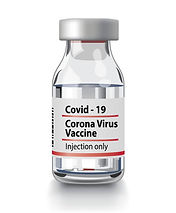
Efficacy Over Time: Studies indicate that mRNA COVID-19 vaccines, such as those developed by Pfizer-BioNTech and Moderna, maintain high efficacy shortly after the initial doses but experience a decline in effectiveness over time.
Booster Recommendations: Health authorities recommend booster doses to counteract waning immunity. The U.S. Centers for Disease Control and Prevention (CDC) advises annual COVID-19 vaccinations for individuals aged 12 and older, especially those at higher risk.
Variant Considerations: The emergence of new variants, such as Omicron, has influenced vaccine effectiveness. Updated vaccines targeting specific variants have been developed to enhance protection against severe illness, hospitalization, and death.
Ongoing Research: Continuous studies are essential to understand the long-term durability of mRNA vaccine-induced immunity and to inform future vaccination strategies.
PHC Editor
Social trends
Source :
Published on :
November 7, 2024
mRNA vaccines, COVID-19, Vaccine durability, Booster doses
Iowa resident dies from suspected Lassa Fever after West Africa trip

An Iowa resident has died from a suspected case of Lassa fever after returning from West Africa earlier this month.
The individual was hospitalized in isolation at the University of Iowa Health Care Medical Center and passed away shortly after admission.
Preliminary tests conducted by the Nebraska Laboratory Response Network indicated a presumptive positive result for Lassa fever; confirmatory testing is underway.
Lassa fever, endemic to West Africa, is transmitted to humans through contact with urine or droppings of infected rodents and, in rare cases, through person-to-person contact via bodily fluids.
The Centers for Disease Control and Prevention (CDC) assesses the risk to the general public as extremely low, noting that the patient was not symptomatic during travel, minimizing the risk to fellow passengers.
PHC Editor
Social trends
Source :
Published on :
November 7, 2024
Lassa fever, CDC, Viral hemorrhagic fever.
Emerging sexually transmitted fungal infection detected in New York city

Health officials have identified four cases of a sexually transmitted fungal infection in New York City, caused by Trichophyton mentagrophytes type VII (TMVII).
The affected individuals, men aged 30 to 39, reported recent sexual contact with other men; one was a sex worker, two had sexual relations with each other, and one had recently traveled to Europe.
Symptoms included rashes on the face, buttocks, or genitals, all of which responded to antifungal treatments.
TMVII infections have previously been reported among men who have sex with men in France and individuals in Southeast Asia.
Healthcare providers are advised to be vigilant for TMVII, which can spread through sexual contact and cause lesions on various body parts.
PHC Editor
Social trends
Source :
Published on :
November 7, 2024
Fungal infection, Sexually transmitted infections
FSSAI tightens antibiotic residue limits in food products

The Food Safety and Standards Authority of India (FSSAI) has revised antibiotic residue norms for meat, milk, poultry, eggs, and aquaculture products to combat antimicrobial resistance.
The new regulations, effective April 1, 2025, lower permissible antibiotic levels and expand the list of monitored drugs.
The FSSAI has also banned antibiotic use in honey production and set new limits for contaminants like ochratoxin A and deoxynivalenol in wheat, barley, rye, and coffee.
These measures aim to address the rise of 'superbugs'—bacteria and fungi resistant to antibiotics—resulting from misuse in agriculture and healthcare.
Experts emphasize that strict enforcement of these regulations is crucial to ensure consumer safety and mitigate antimicrobial resistance.
PHC Editor
Social trends
Source :
Published on :
November 7, 2024
FSSAI, Antibiotic residues, Food safety, Antimicrobial resistance
Food Safety and Standards Authority of India reviews antibiotic levels in food

In an attempt to curb the growing trend of antimicrobial resistance, the Food Safety and Standards Authority of India (FSSAI) revised the limits of antibiotics used in food products on 17 October 2024 to be implemented in April 2025.
The move bans antibiotic use during honey production and limits the levels of chemicals such as Ochratoxin A and Deoxynivalenol in wheat, wheat bran, barley, rye, and coffee.
The Maximum Residue Performance Limits (MRPL), used to test for residues of antibiotics and pesticides in foods, have been revised for numerous antibiotics in various animal-origin food products.
These actions are taken in light of the growing abuse of antibiotics in food production and farming, which is preventing the growth of superbugs due to antimicrobial resistance.
Click here to read more.
Content Editor: Dr. Manu
Social trends
Source :
Published on :
November 7, 2024
Antimicrobial Resistance, Food Safety, Food Safety and Standards Authority of India
Ban on raw egg mayonnaise: Telangana government's proactive measure to control the outbreak

Following a fatal incident of food poisoning caused by mayonnaise from a street food vendor, resulting in the death of a 33-year-old woman and the illness of 20 others, the Government of Telangana has implemented significant safety measures.
Citing Section 18 (1) (f) of the Food Safety and Standards Act 2006, which empowers the Commissioner of Food Safety and the Food Authority to ban foods posing significant health risks based on the severity and nature of harm, the government issued a one-year prohibition on October 30th against the production, storage, and sale of mayonnaise made with raw eggs.
Mayonnaise prepared by emulsifying raw egg yolk with oil poses a risk of contamination with harmful microorganisms, including Salmonella, Bacillus cereus, and Staphylococcus aureus, which can cause potentially life-threatening food poisoning.
The Greater Hyderabad Municipal Corporation has inspected over 200 establishments, including hotels, hostels, and street food shops, issuing notices to 170.
Additionally, the government plans to introduce three new food testing laboratories and five mobile testing units, with a combined capacity to test over 24,000 food samples annually.
Content Editor: Dr. Urmimala
Commissioner of Food Safety, Telangana, Social trends
Source :
Published on :
November 6, 2024
Food Safety, Food Poisoning, Public health Laws
Shankar Centre of Excellence for Diabetes Research: IIT's continued contribution to global efforts against diabetes

In September 2024, the Shankar Centre of Excellence for Diabetes Research (SCoEDR) was launched at IIT Madras as part of the Department of Medical Sciences and Technology (DMST).
Subramonian Shankar, an institute alumnus and the founder of AmZetta Technologies, a leading computer technology brand, has funded it.
It has also collaborated with the Emory Global Diabetes Research Centre (EGDCR) at Emory University in the US.
The center aims to fund 15 PhD students in the coming years, called ‘Shankar Fellows, ’ to work on developing products and startups and commercializing diabetes management and treatment to combat this rising epidemic.
They will also contribute to global efforts to develop academic research on diabetes.
Click here to read more.
Content Editor: Dr. Manu
Social Trends
Source :
Published on :
November 6, 2024
Diabetes, Research, Non-communicable diseases
Marburg outbreak in Rwanda: Death toll up to 15

After eight days without any new cases, on October 24, 2024, Rwanda's health ministry announced one additional case, bringing the outbreak's total to 63 cases while the death toll remained at 15.
The latest patient is doing well and is not exhibiting the typical Marburg symptoms after receiving the Marburg vaccination a few days ago.
Also, it's unclear if the patient was exposed to the virus before or after vaccination.
Although no deaths have been reported in the last ten days, despite the generally positive picture, officials cannot rule out more contacts reaching the symptomatic phase.
Content Editor: Dr. Anubhav
Centre for Infectious Disease Research and Policy
Source :
Published on :
November 6, 2024
Infectious diseases, International health, Vaccination
The outbreak of Legionnaire's: Lenient regulations lead to multiple cases

Twelve cases of Legionnaires' disease were reported among passengers on two cruise ships between November 2022 and June 2024.
The regulations applied to private hot tubs are lenient, and when improperly maintained and run, they provide ideal conditions for Legionella development and transmission.
Aerosols from private hot tubs can transfer diseases to public spaces.
The researchers advise cruise ship water management personnel to inventory and assess private balcony hot tubs and modify public hot tub maintenance and operating protocols for private outdoor hot tubs.
Content Editor: Dr. Anubhav
Centre for Infectious Disease and Research Policy
Source :
Published on :
November 6, 2024
Infectious diseases, Outbreak investigations, International health
Global Surge in Mpox Cases as Africa and Western Pacific Regions Face New Outbreaks

September 2024 saw the highest global mpox cases since November 2022, totaling 2,763 confirmed cases, with significant increases in Africa and the Western Pacific.
Australia leads non-African nations in mpox cases, with outbreaks primarily affecting men who have sex with men, linked to clade IIb MPXV.
The Democratic Republic of the Congo is severely impacted, especially South Kivu province, with both clade Ia and clade Ib spreading within communities and households.
Recent mpox cases were reported in Zimbabwe, Kenya, and Côte d’Ivoire, with Kenya and Uganda each recording their first mpox-related deaths.
WHO emphasizes enhanced surveillance and community engagement to curb the mpox spread globally.
Content Editor: PHC Editor
Source :
Published on :
November 2, 2024
Mpox Outbreak, Clade Ib MPXV, Africa, WHO
AIIMS Bibinagar Launches Drone Service for Rapid Medical Deliveries

AIIMS Bibinagar has introduced a drone service to expedite healthcare delivery, particularly in remote areas.
The initiative focuses on transporting tuberculosis medications and collecting sputum samples from primary health centers in tribal and hilly regions of Yadadri, Bhuvanagiri district.
This service has significantly reduced delivery times from two hours to approximately 5-8 minutes, enhancing patient privacy and treatment efficiency.
Operated by TSAW Drone Pvt Ltd, the drones have a payload capacity of 3–8 kg and a range of 30–60 km.
'Drone Didis,' women from local self-help groups trained in drone operations, play a crucial role in this project.
Content Editor: PHC Editor
Source :
Published on :
November 2, 2024
AIIMS Bibinagar, Drone Delivery, Healthcare Innovation, Tuberculosis Treatment, Remote Healthcare
Surge in Early Puberty Among Indian Girls Raises Health Concerns

Medical professionals in India are observing an increase in cases of precocious puberty, with some girls developing secondary sexual characteristics as early as six years old.
Factors contributing to this trend include childhood obesity, exposure to endocrine-disrupting chemicals, and dietary habits involving hormone-treated foods.
Early onset of puberty can lead to psychological challenges, such as confusion and distress, as well as physical issues like stunted growth due to premature bone maturation.
Healthcare experts emphasize the importance of timely medical intervention and lifestyle modifications to manage and mitigate the effects of early puberty.
Public health initiatives are being advocated to raise awareness and address environmental and lifestyle factors contributing to this phenomenon.
Content Editor: PHC Editor
Source :
Published on :
November 2, 2024
Early Puberty, Precocious Puberty, Childhood Obesity, Endocrine Disruptors, India
Tuberculosis Surpasses COVID-19 as Leading Infectious Disease Killer: WHO Report

The World Health Organization's latest report indicates that tuberculosis (TB) has overtaken COVID-19 as the leading cause of death from infectious diseases in 2023.
An estimated 8.2 million new TB cases were reported in 2023, the highest since WHO began global monitoring in 1995.
TB-related deaths decreased slightly from 1.32 million in 2022 to 1.25 million in 2023, yet the total number of people falling ill with TB rose to an estimated 10.8 million.
India, Indonesia, China, the Philippines, and Pakistan together accounted for 56% of the global TB burden, with India alone contributing 26%.
The report highlights significant underfunding in TB prevention and care, with only $5.7 billion of the $22 billion annual funding target available in 2023.
Content Editor: PHC Editor
Source :
Published on :
November 2, 2024
Tuberculosis, WHO Report, Infectious Disease, Global Health, Funding Gaps
Surge in Polio Cases Reported Across Five Countries

Pakistan: Seven new wild poliovirus type 1 (WPV1) cases have been reported, bringing the country's total to 39 for the year.
Afghanistan: One additional WPV1 case has been identified, increasing the national count to 23 in 2024.
Chad: Three new cases of circulating vaccine-derived poliovirus type 2 (cVDPV2) have been confirmed, raising the year's total to 11.
Niger: One cVDPV2 case has been reported, bringing the country's total to 10 for the year.
Nigeria: Five new cVDPV2 cases have been documented, increasing the 2024 total to 66.
Content Editor: PHC Editor
Source :
Published on :
November 2, 2024
Polio, WPV1, cVDPV2, Pakistan, Afghanistan, Chad, Niger, Nigeria
Maryland Sees Tenfold Increase in Whooping Cough Cases

Maryland has reported 121 confirmed cases of whooping cough (pertussis) as of October 22, 2024, a significant rise from 11 cases during the same period in 2023.
The Maryland Department of Health notes that this surge aligns with national trends, as the United States returns to pre-pandemic levels of pertussis incidence.
Health officials emphasize the importance of vaccination, particularly for infants and those in close contact with them, to curb the spread of this highly contagious respiratory disease.
Symptoms of whooping cough include severe coughing fits, a "whooping" sound when breathing in after coughing, and potential complications like pneumonia, especially in young children.
The state is intensifying public health campaigns to raise awareness and encourage timely immunizations to protect vulnerable populations.
Content Editor: PHC Editor
Source :
Published on :
November 2, 2024
Whooping Cough, Maryland, Pertussis, Vaccination, Public Health
Escalating Conflict in Northern Gaza Halts Polio Vaccination Efforts

Intense bombardments and mass displacements in northern Gaza have forced the postponement of the third phase of the polio vaccination campaign, initially set to begin on October 23, 2024.
The campaign aimed to administer a second dose of the novel oral polio vaccine type 2 (nOPV2) to approximately 119,279 children under ten years old.
Ongoing attacks on civilian infrastructure have compromised the safety of families and health workers, making vaccination efforts unfeasible.
The World Health Organization (WHO) and UNICEF emphasize that at least 90% vaccination coverage is essential to halt poliovirus transmission.
The postponement raises concerns about the potential spread of poliovirus within Gaza and to neighboring regions.
Content Editor: PHC Editor
Source :
Published on :
November 1, 2024
Gaza, Polio Vaccination, Conflict, WHO, UNICEF
India’s Emerging Model for Drug Development: A Blueprint for Southeast Asia

India’s drug development landscape is evolving, driven by successful public-private partnerships and a robust generics market, now paving the way for low- and middle-income countries (LMICs).
Tata Memorial Centre’s efforts, including collaborations with academic institutions like IIT Bombay, led to cost-effective therapies like the CAR-T cell therapy NexCAR19, affordable for LMICs.
Countries like Indonesia and Vietnam are now exploring similar partnerships, inspired by India’s strides in developing localized pharmaceutical innovations.
Key initiatives focus on sustainable and affordable healthcare solutions tailored to LMICs, addressing diseases often overlooked by high-income countries.
Regulatory reforms and intellectual property adjustments are proposed to bolster LMIC-based drug development, prioritizing local health needs.
Content Editor: PHC Editor
Source :
Published on :
November 1, 2024
LMIC Drug Development, India Model, Industry-Academia Partnership, Southeast Asia
India's $16 Billion Economic Burden of Suicide: A Call for Urgent Policy Action

A 2019 study reveals India's economic burden of suicide to be over $16.7 billion, with a significant impact on young adults aged 20-34, who account for 53% of this cost.
Karnataka, Tamil Nadu, and Maharashtra alone contribute nearly 45% of this burden, reflecting high suicide rates and economic loss.
The financial toll on females was notably higher than males in 20 Indian states and Union Territories, underscoring gendered vulnerabilities.
The study calls for intersectoral efforts across finance, youth, and rural development ministries to reduce the suicide burden.
Emphasizing the cost of inaction, the authors advocate for strengthened funding and interventional strategies under India’s National Suicide Prevention Strategy (NSPS).
Content Editor: PHC Editor
Source :
Published on :
November 1, 2024
Suicide, Economic Burden, India, Suicide Prevention
Impact of Health Benefit Package Revisions on Service Utilization in Punjab's PM-JAY Scheme

A study by Prinja S et al evaluated the effects of Health Benefit Package (HBP) revisions on service utilization under Punjab's Pradhan Mantri Jan Arogya Yojana (PM-JAY).
Revisions from HBP 1.0 to HBP 2.0, including changes in package nomenclature, construct, and pricing, led to increased utilization in both public and private hospitals.
Price adjustments, especially in underpriced packages, significantly boosted claims, highlighting the importance of appropriate pricing in health insurance schemes.
The study used time-series analysis on 1.35 million claims, showing that policy adjustments directly influenced provider behavior towards service uptake.
Findings emphasize the need for thoughtful HBP revisions to enhance accessibility and sustainability in publicly funded health insurance.
Click here to read more
Content Editor: PHC Editor
Source :
Published on :
November 1, 2024
PM-JAY, Health Benefit Package, Service Utilization, Health Insurance
Union Health Minister Launches Five Health Research Initiatives to Propel India into Global Innovation Leadership

Union Health Minister J.P. Nadda introduced five health research initiatives under DHR-ICMR, aligned with India’s “Viksit Bharat” vision.
The "First in the World" Challenge encourages the development of pioneering health technologies, inspired by the success of Chandrayaan-3.
Under PM-ABHIM, existing VRDLs are being upgraded to IRDLs, enhancing diagnostic capabilities to combat infectious diseases.
The ICMR Data Repository provides a secure platform for high-quality data, supporting research and ensuring privacy.
The UNNATI Initiative focuses on India-specific child growth standards, addressing limitations in WHO benchmarks.
Content Editor: PHC Editor
Source :
Published on :
November 1, 2024
Health Research, ICMR, India Innovation, PM-ABHIM
Grand Finale of 'SAMAGAM' Celebrates Initiatives for Senior Citizens in India

The Ministry of Social Justice and Empowerment (MoSJE) concluded its month-long celebration for senior citizens with a grand finale event, ‘SAMAGAM’, in New Delhi.
The event highlighted numerous initiatives, including health camps, skill development programs, and pension schemes to support elderly citizens.
Union Ministers Ramdas Athawale and B.L. Verma emphasized the government's commitment to a society that values and supports its senior population.
Dr. Vinod Kumar Paul from NITI Aayog spoke on future initiatives, like expanding digital literacy and geriatric healthcare.
Activities throughout October encouraged intergenerational bonding and raised awareness of senior citizens' rights.
Content Editor: PHC Editor
Source :
Published on :
November 1, 2024
Senior Citizens, SAMAGAM, Social Justice, Empowerment
Global Polio Eradication Initiative reports new cases

The Global Polio Eradication Initiative (GPEI) reported new polio cases this week in Pakistan, Angola, Nigeria, and South Sudan.
Pakistan added four cases of wild poliovirus type 1 (WPV1), bringing its 2024 total to 28, with the latest cases in Balochistan, Khyber Pakhtunkhwa, and Sindh.
Angola reported one more vaccine-derived polio case, reaching seven cases for the year, while Nigeria and South Sudan added four and one cases, respectively, totaling 61 and nine.
In addition, environmental samples in Spain and French Guiana tested positive for vaccine-derived poliovirus for the first time.
Spain’s sample from Barcelona confirmed circulating vaccine-derived poliovirus type 2 (cVDPV2), while three samples collected in Cayenne, French Guiana, detected circulating vaccine-derived poliovirus type 3 (cVDPV3). These findings underscore ongoing challenges in eradicating polio globally.
Content Editor: Dr. Chinmay
CIDRAP
Source :
Published on :
October 28, 2024
Polio, Polio Eradication
Second round of polio vaccination in Gaza to aim vaccinate over half a million children

A minimum of two doses of nOPV2 are needed to interrupt poliovirus transmission which can be achieved if at least 90% of all children are vaccinated in community and neighborhoods.
To boost overall immunity among children aged between 2 and 9 years, vitamin A will also be co-administered along with polio vaccine in this round.
This is a part of emergency efforts to stop the polio outbreak which was detected on 16 July 2024, which is being conducted by Palestinian ministry of health in collaboration with World Health Organization, United Nations Children’s Fund, United Nations Relief And Works Agency for Palestinian Refugees and other partners.
Humanitarian pause will be a prerequisite to implement a successful second round and to ensure a safe and secure environment for polio workers, communities and families to obtain vaccination without fear.
Click here to read more.
Content Editor: Dr. Soundhar
WHO
Source :
Published on :
October 28, 2024
Vaccination, international health