.png)
Follow Us!


Public Health Chronicle
Latest public health news and updates of the world
Public Health News Snippets 1 - 6th July, 2024
Reducing opioid dependence with yoga: Clinical insights

International Yoga Day highlights yoga's potential to reduce opioid dependence, offering a low-cost, low-risk adjunct therapy.
Dr. Hemant Bhargav from NIMHANS developed a yoga module, supported by the Science and Technology of Yoga and Meditation (SATYAM) program, aimed at reducing opioid use and withdrawal symptoms.
Mechanism and Benefits: Yoga increases brain levels of gamma-aminobutyric acid and oxytocin, aiding withdrawal management, relapse prevention, and enhancing self-regulation and prefrontal activation.
Preliminary studies, including a 9-month follow-up, showed yoga's feasibility.
A randomized controlled trial with 60 subjects revealed that yoga practitioners had 2.68 times higher chances of negative urine screening for opioids than an exercise group.
The study results were as follows:
The yoga group experienced significant reductions in pain, craving, anxiety, depression and improvements in sleep quality and overall life quality.
Yoga reduced craving-related brain activity in regions linked to stress and salience, indicating its potential to mitigate opioid dependence.
Yoga proved to be an effective supplementary tool to enhance abstinence, reduce opioid use severity, and improve the well-being of these patients.
Content Editor: Dr. Sumana
Press Information Bureau
Source :
Published on :
July 6, 2024
Yoga, Substance abuse, Opioid dependence, Lifestyle modifications
Climate change and biodiversity loss: The global health emergency

Over 200 health journals have recognized climate change and biodiversity loss as an indivisible global health emergency.
Currently, efforts to address climate change and biodiversity loss are largely fragmented, with separate discussions and actions at upcoming COPs on climate and biodiversity.
With planetary health, the world has recognized that everything is made up of one overall interdependent system.
Disruptions in ecosystems threaten food and water security, increase poverty, and exacerbate social inequalities, leading to mass migration and conflict on top of risks of environmental damage leading to various diseases..
Despite international commitments made at previous COPs, many pledges remain unfulfilled, pushing ecosystems closer to irreversible tipping points.
The urgency of these challenges necessitates immediate action.
The World Health Organization is urged to declare the combined climate and biodiversity crises a global health emergency, given their severity, global reach, and the imperative for coordinated international responses.
Addressing this emergency demands integrated approaches that align climate and biodiversity agendas with broader societal changes.
Health professionals must play a pivotal role as advocates for comprehensive action, while political leaders must recognize the dual threat to health and the potential benefits of holistic crisis management.
Content Editor: Dr Anamika
Indian Journal Of Medical Research
Source :
Published on :
July 6, 2024
Climate Change, Biodiversity Loss, Environment
Deviations in prescriptions: An Indian tertiary care perspective

A cross-sectional study was conducted across 13 Indian Council of Medical Research (ICMR) Rational Use of Medicines Centres.
Outpatient prescriptions were assessed for completeness and adherence to standard treatment guidelines (STGs).
The study examines the prevalence of deviations from treatment guidelines in prescriptions across Indian tertiary care hospitals and explores their potential consequences.
Irrational prescribing practices can negatively impact patient safety and increase economic burden.
Unacceptable deviations were classified as those with potential for drug interactions, lack of response, increased cost, preventable adverse drug reactions, or antimicrobial resistance.
The results of the study are as follows:
Of the 4838 prescriptions analyzed, 9.8% had unacceptable deviations.
Community medicine outpatient departments had the highest percentage of unacceptable deviations (24.66%), followed by ENT (13.22%) and Pediatrics (10.79%).
The most common diagnoses associated with these deviations were upper respiratory tract infections (URTI) and hypertension.
Pantoprazole was the drug most frequently prescribed inappropriately, followed by the combination of rabeprazole + domperidone and oral enzyme preparations.
The most common potential consequences of the observed deviations were increased cost (63%) and a higher probability of adverse drug reactions (53%).
While overall adherence to STGs was observed (55%), the unacceptable deviation rate highlights a need for targeted interventions.
Physician recommendations include implementing online training on rational prescribing, issuing administrative orders for STG adherence, and providing prescriber feedback.
Content Editor: Shayari
Indian Journal of Medical Research
Source :
Published on :
July 6, 2024
Rational Drug Prescription, Patient Safety
India's journey to low sodium: Can salt substitutes make a difference?

Salt is culturally and historically significant in India, but excessive consumption contributes significantly to high blood pressure and cardiovascular diseases.
A literature review examined existing research and data on salt consumption in India.
This study analyzed dietary surveys, clinical trials, and intervention studies evaluating the effectiveness of LSS in reducing blood pressure and CVD risks.
The study found that Indians consume an average of 8-11g of salt daily, double the WHO-recommended daily salt intake, primarily through home cooking.
The review of LSS studies indicated its effectiveness in reducing both systolic and diastolic blood pressure, with the potential to decrease cardiovascular events and mortality significantly.
Widespread adoption of LSS, supported by public awareness campaigns and inclusion in public distribution systems, could significantly reduce sodium intake in India.
Further research is needed to understand its impact on individuals with advanced kidney disease and its implication on implementation strategies.
Content Editor: Shayari
Indian Journal of Medical Research
Source :
Published on :
July 6, 2024
Sodium Intake, Nutrition, Non Communicable Diseases
WHO's antimicrobial resistance diagnostic initiative: To strengthen diagnostic capacity

The WHO created the AMR diagnostic initiative to assist World Health Assembly member states in fulfilling their 2023 commitments to improve diagnostic capacity.
The lack of clinical microbiologists and lab technicians, the high cost of supplies and equipment, and inadequate infrastructure make it difficult to provide essential bacteriology and mycology laboratory services.
The policy brief lays out four "building blocks" for the initiative.
These include
A strategic and operational framework to set standards and provide implementation guidance
Standardized assessment tools for monitoring and reporting bacteriology and mycology laboratory services capacity at national and global levels
A global AMR laboratory network includes laboratories designated by the WHO for bacteriology and mycology.
Susceptibility testing at national, supranational, and specialized levels; and research and innovation in AMR diagnostics.
Content Editor: Dr. Anubhav
Center for Infectious Disease Research and Policy
Source :
Published on :
July 6, 2024
Antimicrobial Resistance, Global health, Public health
Plan for the forthcoming respiratory virus season: Guidelines for vaccinations
Those six months of age and older are urged to obtain the vaccines.
Individuals receiving solid organ transplants between 18 and 64 can now select off-label for an adjuvanted or high-dose flu vaccine.
In addition, the Advisory Committee for Immunization Practices (ACIP) overwhelmingly decided to suggest Merck's novel 21-valent (21-strain) pneumococcal vaccine as a choice for persons 65 years of age and older who have not had a vaccination or whose immunization history is unknown.
Additionally, the committee advised a single dose of the vaccine for patients with specific underlying medical disorders ages 19 to 64.
This recommendation applied to individuals who had not gotten a dose of the pneumococcal conjugate vaccination and those who began their series with PCV13 but had not obtained all necessary doses of PPSV23.
Content Editor: Dr. Anubhav
Center for Disease Control and Prevention
Source :
Published on :
July 5, 2024
COVID-19, Influenza, Pneumonia, Vaccination
CARB-X grants $1 Million to develop a portable test for antibiotic-resistant gonorrhea

CARB-X has given Prompt Diagnostics LLC a $1 million grant to create a portable, quick diagnostic test for antibiotic-resistant gonorrhea.
The company will use the grant to develop its cartridge-based polymerase chain reaction (PCR) platform further, which is portable and capable of detecting multiple targets of pathogenic bacteria and identifying mutations that confer antibiotic resistance.
In low- and middle-income nations, where access to secondary healthcare facilities is restricted, and gonorrhea and the burden of resistance are more prevalent, the inexpensive test may be very helpful.
The urgency of combating drug-resistant bacterial infections worldwide cannot be overstated.
Fast, high-tech diagnostics are a crucial tool in this battle, as they can identify infections at the earliest stage and guide medical professionals toward the most effective treatment.
Content Editor: Dr. Anubhav
Center for Infectious Disease Research and Policy
Source :
Published on :
July 5, 2024
Antibiotic Resistance, International Health, Diagnostic test
Revised guidelines for international travel with regards to COVID-19

As the global COVID-19 cases show declining rates, the Govt. of India has revised the guidelines for International Travel.
The revised guidelines on International Travel state:
All travelers should preferably be completely immunized against COVID-19.
In-flight announcements regarding preventive measures against COVID-19 should be made.
Passengers presenting with symptoms suggestive of COVID-19 should be isolated and follow standard protocols such as wearing masks and practicing social distancing.
They should be provided facility-based care in isolation upon arrival.
Social distancing should be followed during deboarding the flights.
Adequate thermal screening should be done of all passengers.
Self-monitoring of health post-arrival.
Individuals are urged to report to a healthcare facility immediately if they develop signs and symptoms suggestive of COVID-19.
Content Editor: Dr. Tanya
Ministry of Health and Family Welfare
Source :
Published on :
July 5, 2024
International Travel, COVID-19, Guidelines
Heightened precautions urged following H9N2 flu case
WHO and IHR (International Health Regulation) notified of a human avian influenza A(H9N2) case in a West Bengal child on 22 May 2024.
The country confirmed its second case of bird flu, prompting experts to urge heightened precautions to prevent the virus from spreading to humans.
Experts emphasize the need for robust surveillance and preventive measures to effectively manage zoonotic diseases like bird flu.
Individuals with comorbidity, children, the elderly, and those handling poultry, especially in hatcheries, are at higher risk of infection.
The following are WHO recommendations:
Avoiding unprotected contact with live poultry and contaminated environments.
Implementation of infection prevention and control measures
Monitor and screen healthcare workers for symptoms.
No travel or trade restrictions are recommended.
Content Editor: Dr. Sumana
WHO News Section
Source :
Published on :
July 5, 2024
Zoonotic diseases, Influenza, Outbreak
Air pollution: The deadly and growing risk factor

The State of Global Air (SoGA) report, in partnership with the UN Children’s Fund(UNICEF), warned that air pollution is the second leading global risk factor for premature death.
Pollutants like outdoor fine particulate matter (PM2.5) come from burning fossil fuels and biomass in sectors like transportation, residential homes, and wildfires and cause more than 90% of global air pollution deaths, according to the report of SoGA.
It also contributes to greenhouse gases that warm the planet, so regions with high NO2 levels experience high ozone levels, resulting in greater health effects.
The report also revealed young children’s exposure has resulted in 1 in 5 global deaths, asthma, pneumonia, and inequities more than it does in developed countries.
It also claimed that, due to better awareness, the death rates of children under 5 have decreased by 53% since 2000 because of increased access to clean energy for cooking purposes.
Content Editor: Dr. Soundhar
UN News section
Source :
Published on :
July 5, 2024
Air pollution, Global health, Noncommunicable diseases
The national action plan on antimicrobial resistance in India: Way forward
Globally, 1.27 million deaths occur due to AMR, while 4.75 million deaths occur as a result of diseases caused by resistant pathogens.
In India, 30% of neonatal deaths occur due to bacterial sepsis arising as a result of AMR.
A recently published review discussed the various activities, strengths, and challenges India needs to address to curb AMR.
Industrial effluents, sewage, and municipal waste released into the environment without appropriate treatment become reservoirs of resistant pathogens.
The activities undertaken in India to safeguard the environment to curb AMR include:
Raising awareness regarding AMR
Evidence-based Surveillance
Appropriate Infection Control Measures
Rational use of antimicrobials
Sustained global, national, and regional efforts to combat AMR
The author concludes that the way forward for India to address AMR is as follows:
The advocacy of One Health facilitates multisectoral coordination and drives efforts to tackle AMR.
Law enforcement should help reduce the inflow of AMR-causing factors into the environment.
Promoting evidence-based research to understand, monitor, and tackle the factors promoting AMR.
Click here to read more.
Content Editor: Dr. Tanya
Indian Journal of Medical Research
Source :
Published on :
July 4, 2024
Antimicrobial Resistance, One Health, Research findings
"Test it to find it": Michigan's aggressive approach against bird flu

Michigan currently accounts for about one-third of the country’s confirmed cases of livestock.
According to the U.S. Department of Agriculture, 11 other states besides Michigan have dairy herds with known infections.
Until this year, influenza cases were very rare, which is the main reason the outbreak went unnoticed for a long period.
These outbreaks have led to the establishment of regulations and surveillance systems to curb further spread.
Michigan’s chief medical executive said, “One of our mantras is if you don’t test for it, you don’t find it.”
Public health authorities believe the suggested numbers are lower, and efforts to clearly map the scale of the problem are worsened by dairy farmers' lack of cooperation.
Michigan has put animal and human surveillance in place, which has led to more cases being identified.
The pandemic experts believe the remaining areas hit by the outbreak should adopt Michigan's "test it to find it" policy.
Click here to read more.
Content Editor: Dr. Soundhar
Social trends
Source :
Published on :
July 4, 2024
Infectious disease, outbreak, Bird flu
Dracunculiasis eradication: Global surveillance summary, 2023

WHO reported that in 2023, dracunculiasis, or Guinea-worm disease, continues to see a reduction in human cases.
The most recent data shows 14 human cases across five countries, including:
Chad-9 cases
South Sudan-2 cases
Mali-1 case
Cameroon-1 case
The Central African Republic (CAR)-1 case
The disease that primarily affects poor rural communities in sub-Saharan Africa is now confined only to a handful of endemic countries with continuous transmission.
Security and civil unrest, as well as logistical challenges related to continuous surveillance operations in these remote areas, remain persistent obstacles to the eradication.
Countries such as Chad, Ethiopia, and South Sudan have experienced a marked reduction in their rates of infection because interventions like increased surveillance have become more robust.
The activities initiated by the project in Mali, where proactive tethering of dogs has been successfully piloted, continue to monitor and manage new cases.
Access is still a big challenge in most districts and efforts are underway to enhance surveillance, particularly in cross-border areas, to prevent the spread of the disease.
Content Editor: Dr. Ghurumourthy
Weekly Epidemiological Report, World Health Organization
Source :
Published on :
July 4, 2024
Eradication, Guinea worm disease, Infectious disease, Surveillance
The CHRONICLE: Modernizing EHR for chronic disease surveillance

Michigan's public health has advanced with CHRONICLE, an EHR-based chronic disease surveillance system launched in 2019.
Leveraging the Michigan Health Information Network (MiHIN), CHRONICLE collects real-time admission, discharge, and transfer (ADT) data, initially focusing on stroke and hypertension.
By September 2022, it had captured 800 ADT messages daily, offering patient and trend analysis features.
CHRONICLE is a system that surpasses traditional surveillance limitations, provides detailed, timely data, and enables patient-level linkage across systems, ensuring its effectiveness in chronic disease surveillance.
Despite challenges like data quality and legal barriers, CHRONICLE is continuously enhanced.
This commitment to improvement instills confidence in its ability to include more chronic conditions and provide comprehensive disease surveillance.
CHRONICLE's future is promising and plans involve expanding data sources and integrating conditions like asthma and diabetes.
This expansion will support better Michigan disease management and health equity, fostering optimism about the system's potential impact.
Click here to read more.
Content Editor: Dr. Ghurumourthy
Center for Disease Control and Prevention
Source :
Published on :
July 4, 2024
Electronic Health Record, Health Technology, Surveillance
Two decades of inactivity: A global analysis of adult physical activity trends

A new study published in The Lancet Global Health Journal analyzed data from 507 population surveys across 197 countries, revealing trends in insufficient physical activity among adults from 2000 to 2022.
There were 5.7 million participants in the research.
Major findings include:
1. Global inactivity rose from 23.4% in 2000 to 31.3% in 2022.
2. Over half (52%) of countries showed increasing inactivity.
3. Women were 5% more likely to be inactive than men.
4. Inactivity is significantly rising among those over 60.The study concluded that, at current trends, global targets for reducing inactivity by 2030 won't be met (except possibly in Oceania and sub-Saharan Africa).
There is an urgent need to prioritize strategies that promote and encourage physical activity across all demographics.
This necessitates collaborative efforts from policymakers, public health professionals, and community leaders to create environments that make physical activity accessible, attractive, and equitable for everyone, regardless of sex, age, or location.
Click here to read more.
Content Editor: Dr. Sakshi Aggarwal
The Lancet Global health
Source :
Published on :
July 3, 2024
Physical inactivity, research findings, Lifestyle
Delhi heatwave claims lives: Men over 40 most affected
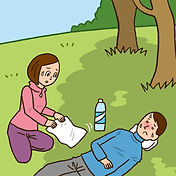
During the past two weeks, as a severe heatwave engulfed the capital, hospitals in Delhi, both central and city-run, have seen at least 90 deaths of patients suffering from heatstroke.
Hospitals reported a surge in heatstroke deaths, with the majority of fatalities being men over 40.
Alarmingly, at least 132 people arrived dead within a four-day period (June 18-21).
Health officials are reviewing post-mortem reports (including those of homeless patients) to see if pre-existing conditions played a role in the heatstroke deaths.
Since March, there have been 90 cases of heat stroke and 29 deaths documented at the center-run Safdarjung Hospital alone.
Heat-related morbidity and mortality have disproportionately affected vulnerable groups, which include the following:
Construction workers
Sweepers
Daily wage laborers
The elderly
Women, and children
The most vulnerable areas hit by this heatwave include:
Urban slums
Areas with decreased access to water and sanitation.
Content Editor: Dr. Sakshi Aggarwal
Social trends
Source :
Published on :
July 3, 2024
Heat stroke, Global warming, Environmental Health
Flesh-eating bacteria on the rise in Japan: What is STSS?
The US Centre for Disease Control and Prevention (CDC) states that streptococcal toxic shock syndrome is a serious condition presenting with symptoms of fever, chills, muscle pains, nausea, and vomiting.
Group A Streptococcus bacteria cause the illness, which spreads into the blood and deep tissues.
The condition commonly affects those over 65, with the following factors increasing the risk:
Diabetes
Alcohol consumption
open wounds or sores
Cases of highly fatal STSS have reached record levels in Japan, with more than 1000 cases and 97 deaths reported as of mid-June.
Approximately 30% of those affected are expected to develop serious complications and die.
The cause of the outbreak is unspecified.
However, the Japan Health Ministry has hypothesized that the increase may have resulted from laxer coronavirus controls.
Further epidemiological investigation will help delineate the source and contain the outbreak.
Preventive measures taken include awareness about cough etiquette and hand hygiene.
Content Editor: Dr. Sakshi Aggarwal
Social trends
Source :
Published on :
July 3, 2024
Streptococcal infection, disease outbreak, Surveillance
WHO’s recent guidelines on the prevention and management of acute malnutrition: A critical analysis
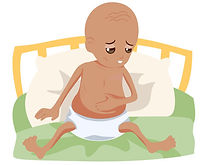
A study by Sachdev et al, focuses on critically analyzing the latest guidelines by WHO on the prevention and management of wasting and nutritional edema (acute malnutrition) in infants and children under 5 years.
The following are the recommendations according to the guidelines:
Post stabilization of SAM children when they are being shifted into the rehabilitation phase, a transition from F-75 to ready-to-use therapeutic food (RUTF) over 2–3 days, is recommended with the proposed energy intake of 100–135 kcal/kg/day.
150–220 kcal/ kg/day of RUTF until anthropometric recovery and resolution of nutritional edema for infants and children with severe wasting or nutritional edema.
Health gaps highlighted in the study are:
Absence of proper guidelines regarding the transition from product-based RUTF to home diets.
Lack of recommendation on timing and type of diet that should be started and their management over time.
No clarity regarding the outer limit of providing RUTF In case the child does not achieve the minimum anthropometric measures during recovery.
There is a lack of focus on home-based diets.
Addressing these gaps is important as they can inadvertently lead to adverse consequences of overfeeding.
Click here to read more.
Content Editor: Dr. Tanya
The Lancet
Source :
Published on :
July 3, 2024
Severe Acute Malnutrition, Ready To Use Therapeutic Food, RUTF, SAM
Prioritize menstrual health: Help female students reach their full academic potential

Under the Ministry of Education, the Department of School Education and Literacy has taken a proactive step to ensure the success of female students during their 10th and 12th board exams.
These initiatives aim to increase health and awareness and empower female students by prioritizing menstrual health management.
The key initiatives include
1. Provision of free sanitary products at all the board exam centers.
2. Permission to take the necessary bathroom breaks during the exam
3. Educational programmes to increase awareness and reduce the stigma related to menstruation
This move will empower women and pave the way for a brighter, more inclusive academic future.
Click here to read more.
Content Editor: Dr. Swathi Shenoy
Press Information Bureau
Source :
Published on :
July 2, 2024
Reproductive health, Menstrual hygiene
YogiFi: Advancing yoga with smart technology and AI integration

YogiFi, a smart AI-enabled yoga mat developed by Wellness Technologies Private Ltd. and incubated at the IIT Mandi Technology Innovation Hub, was presented to the Union Council of Ministers on International Yoga Day.
It is equipped with a sensor layer and uses AI and Computer Vision to track the user's postures and give feedback to help correct them in real-time.
It also gives simplified yogasana training, interactive yoga classes, real-time feedback on posture, and personalized coaching.
YogiFi has received high praise and recognition from the Ministry of AYUSH, a testament to its quality and effectiveness.
It also works seamlessly with other smart devices at home, creating a perfect environment to practice yoga.
Click here to read more.
Content Editor: Dr. Anamika
Press Information Bureau
Source :
Published on :
July 2, 2024
Yoga, Technology integration, Artificial intelligence
Sachet: One stop for real-time geo-targeted disaster alerts

It collects information from authorized government sources and authorities to warn the public of a possible disaster.
It also provides day-to-day weather reports and forecasts from the Indian Meteorological Department (IMD).
Users will receive alerts for their current location or can subscribe to any state/district in India to receive alert notifications.
It also has resources such as Dos & Don’ts, helpline numbers, alert affected areas, and satellite receiver connectivity features.
It can be used in 12 Indian languages with translation and read-out facilities.
Research & Development Telecom Technology Centre of the Govt. of India is the implementation partner for Phase 1 of the project.
Click here to read more.
Content Editor: Dr. Anamika
National Disaster Management Authority of India
Source :
Published on :
July 2, 2024
Disaster management, Emergency preparedness
100-Days national campaign: Amplifying awareness to empower women

The Ministry of Women and Child Development (MWCD) launched a nationwide campaign to empower women over the next 100 days.
From June 21st to October 4th, 2024, the campaign aims to raise awareness about critical women-centric issues.
It will focus on amplifying awareness and outreach on women's empowerment through nationwide enrollment drives and educational sessions.
Minister Savitri Thakur highlighted successful government programs, which are critical tools in achieving this goal of women's empowerment.
These include:
Pradhan Mantri Matru Vandana Yojana
PM Awas Yojana, Swachh Bharat Mission
Poshan Abhiyaan
Deen Dayal Antyodaya Yojana – National Rural Livelihoods Mission (DAY-NRLM)
The MWCD is training local workers from its SANKALP program, which operates in 693 districts, to deliver services and information to women effectively.
The campaign will empower women in education, health, livelihood opportunities, and social security.
Click here to read more.
Content Editor: Dr. Shayari Nag
Press Information Bureau
Source :
Published on :
July 2, 2024
Women Empowerment, Ministry of Women and Child Development, Women Health
World sickle cell disease day: Aim to cover 1 million screenings
The World Sickle Cell Disease (SCD) Awareness Day events focused on halting transmission and promoting early diagnosis, access to treatment, and quality care for SCD.
The National Sickle Cell Anaemia Elimination Mission (NSCAEM ), a monumental initiative launched in 2023, is set to eliminate SCD in India by 2047, underscoring the scale of our commitment.
Since its inception, over 33.9 million screenings have been recorded, and over 11.2 million Sickle Cell Status ID cards have been distributed.
The key features of the program are:
- Focus on screening and managing individuals aged 0-40 years.
- Focus on the Tribal communities in the 17 high-burden states
- Awareness generation and pre-marital counseling
- Holistic management at primary, secondary, and tertiary care levels
PM Narendra Modi and Health Minister JP Nadda emphasized the importance of NSCAEM and its approach,
On SCD Day 2024, 44,751 events held across 17 high-burden states, resulting in:
- 615,806 individuals screened
- 259,193 Sickle Cell ID cards distributed
Awareness activities will continue for 15 days, targeting 1 million screenings and 300,000 ID cards.
Awareness events were also held in states like Madhya Pradesh, Chhattisgarh, Karnataka, and Jharkhand.
Click here to read more.
Content Editor: Shayari Nag
Press Information Bureau
Source :
Published on :
July 2, 2024
Sickle Cell Anaemia, Anemia, Screening
Multicountry Cholera outbreak: 58% surge in cases in May 2024

The multi-country cholera outbreak report, as of May 2024, details a significant surge in new cases, with 46,364 reported in May alone, a 58% increase from the previous month across 19 countries.
However, the death toll decreased by 37%, with 185 deaths in May.
The Eastern Mediterranean region reported the highest cases, followed by Africa, America, Southeast Asia, and Europe.
The WHO has classified the outbreak as a Grade 3 emergency due to its widespread and persistent nature.
Mitigation efforts include deploying 18 experts and ongoing regional and country-level support.
WHO has revised public health surveillance guidance and promoted laboratory strengthening.
Despite requests for 19 million vaccine doses, constrained supply has limited preventive campaigns.
Technical support and training are provided for case management, infection prevention, control, water, sanitation, and hygiene (WASH).
Challenges impacting the response include the effects of natural disasters, climate change, data quality inconsistencies, insufficient vaccine stocks, and overstretched response capacities.
There's an increased risk of cross-border transmission, necessitating continued efforts for long-term solutions to reduce the cholera burden.
Click here to read more.
Content Editor: Dr. Ghurumourthy
WHO News Section
Source :
Published on :
July 1, 2024
Outbreak, Communicable Diseases, Cholera
Emerging arboviral disease in America: The need for comprehensive measures

WEEV (Western equine encephalitis virus) is a mosquito-borne arbovirus that infects birds and can indirectly transmit to humans and equids, causing severe encephalitic conditions.
Historically responsible for significant epidemics, WEEV has resurged in Argentina and Uruguay since November 2023.
As of April 2024, 103 human and 47 equine cases were reported in South America (Argentina and Uruguay).
WEEV maintains a natural cycle between birds and mosquitoes, with horses and humans as dead-end hosts.
Outbreaks can result from conducive environmental conditions and vector-host interactions.
America has seen a rise in arboviral diseases, highlighting the changing geographical distribution and frequency of outbreaks.
Recent increases in malaria, West Nile fever, dengue, and Oropouche virus cases underscore the need for vigilance.
Climate change, deforestation, urbanization, and global travel contribute to the spread of arboviruses.
Understanding vector and host ecology, alongside advanced spatial epidemiology tools, is crucial.
Preventive measures within a One Health framework, including vector control, vaccination, and personal protection, are essential for mitigating WEEV's impact.
Click here to read more.
Content Editor: Dr. Ghurumourthy
Weekly Epidemiological Record, World Health Organization
Source :
Published on :
July 1, 2024
Outbreak, Vector-borne diseases, Arbovirus
WHO technical advisory group on biosafety: Summary of the annual meeting
The WHO Technical Advisory Group on Biosafety (TAG-B) held its annual meeting in September 2023.
The summary of the meeting is as follows:
The group reviewed recent work and set priorities for 2024-2025.
Updates included revisions to WHO laboratory biosecurity guidance and a new World Health Assembly resolution.
Emphasis was placed on inclusive, consensus-based standards for low-resource settings.
Presentations highlighted the need for regional collaboration and comprehensive cybersecurity strategies.
Regional focal points discussed diverse capacities and challenges in biosafety and biosecurity.
TAG-B identified priorities such as increasing global attention, promoting transparency, and enhancing capacity-building efforts.
The group stressed the importance of ongoing improvement and collaboration among stakeholders.
Content Editor: Dr. Ghurumourthy
Weekly Epidemiological Record, World Health Organization
Source :
Published on :
July 1, 2024
Biosafety, International health, Biosecurity
Policy to curb trans-fat: Progress report from the WHO

UN World Health Organization (WHO) report reveals that 53 countries now have best practice policies to eliminate industrial trans fats, protecting 3.7 billion people, or 46% of the global population.
This is a substantial increase from 2018, when only 6% were covered.
Despite progress, over four billion people remain at risk, mainly in the WHO African and Western Pacific Regions.
New policies in countries like Egypt and Mexico could save 183,000 lives annually.
In January 2024, the WHO awarded validation certificates to Denmark, Lithuania, Poland, Saudi Arabia, and Thailand for their progress.
WHO urges all nations to adopt and enforce these policies and calls manufacturers to remove trans fats from products and supply chains.
Content Editor: Dr. Ghurumourthy
UN News Section
Source :
Published on :
July 1, 2024
Nutrition, Fats, Health policy
UNICEF: 3,000 children in Gaza at risk from acute malnutrition amidst conflict

Approximately 3,000 children in southern Gaza have lost access to treatment for acute malnutrition, putting their lives at risk amidst ongoing violence and disruption of healthcare services, reports UNICEF.
This number accounts for about 75% of the 3,800 children receiving care before the conflict intensified.
The rising malnutrition cases are linked to restricted humanitarian access, particularly in Rafah.
Only two out of Gaza's three stabilization centers are operational, with plans for additional centers delayed due to military activities.
Malnourished children are increasingly vulnerable to diseases due to poor water and sanitation.
UNICEF emphasizes that without swift intervention, more children will perish and calls for a ceasefire and improved humanitarian access.
Click here to read more.
Content Editor: Dr. Ghurumourthy
United Nations International Children's Emergency Fund
Source :
Published on :
June 29, 2024
War, Healthcare, Malnutrition
Changes in the surveillance of vaccine-preventable diseases in Africa: Integration into the regional platform

The World Health Organization African Regional Office (WHO AFRO) is transitioning from Epi Info to District Health Information Software 2 (DHIS2) to enhance vaccine-preventable disease surveillance.
This move started in 2019 and involves a phased implementation across African countries, with pilot programs in Mali, Rwanda, and Togo.
By 2024, eight of the 47 member countries had fully implemented the system, integrating their data into a regional platform.
This transition to DHIS2 is not without its challenges, but it promises to significantly improve data quality and system interoperability, thereby enhancing outbreak detection and response.
Click here to read more.
Content Editor: Dr. Ghurumourthy
Center for Disease Control and Prevention
Source :
Published on :
June 29, 2024
Surveillance, Vaccine preventable diseases, Outbreak
USA tuberculosis report: The current updates (2016-2022)
The Centers for Disease Control and Prevention (CDC) uses the National TB Indicators Project (NTIP) to evaluate and enhance tuberculosis (TB) control efforts across the U.S.
The NTIP employs specific metrics to assess TB control effectiveness, including TB incidence rates, which have decreased by 71.2% in 37 jurisdictions over the last five years.
Another critical metric is the completion of TB therapy within 12 months, with 61.5% of jurisdictions meeting or exceeding the national average of 89.7%.
Additionally, the project tracks the percentage of patients with reported drug susceptibility results, which is crucial for accurate treatment and stands at 97% nationally.
The proportion of contacts to sputum AFB smear-positive TB patients who received a latent TB infection diagnosis and completed treatment has also improved across most jurisdictions.
These metrics help measure the success of TB programs and identify areas needing improvement, such as the high TB incidence rate among non-U.S.-born individuals, which is 15.7% above the target.
Click here to read more.
Content Editor: Dr. Ghurumourthy
Center for Disease Control and Prevention
Source :
Published on :
June 29, 2024
Tuberculosis, Infectious Disease, Report
Need for expansion of the social security reforms: Demands at the pre-budget consultation meeting

The Trade Union Consultation Committee (TUCC) presented their demands at the pre-budget consultation meeting with the Finance Minister.
They called for ASHA, Anganwadi, and mid-day meal workers, who face similar risks as organized sector workers, to be recognized as permanent employees and included in social security schemes.
The TUCC also urged recognizing domestic help as workers, who constitute a significant portion of urban unorganized workers, to ensure their social security coverage.
Additionally, they emphasized extending social welfare to gig workers, who are more prone to health issues.
The heatwave significantly impacted food delivery workers and construction site workers.
Bharatiya Mazdoor Sangh demanded increased funding to boards under special categories- beedi, fisheries, agriculture.
Content Editor: Dr. Urmimala
Social trends
Source :
Published on :
June 29, 2024
Occupational Health, Legislation, Social security
Project Chandana: For screening of sickle cell anemia

‘Project Chandana’ was initiated to screen Sickle Cell anemia among tribal populations in Karnataka, focusing on Chamarajanagar, Mysuru, and Kodagu districts.
For quick diagnosis, the IISc (Indian Institute of Science) developed "HPOS" (High-Performance Optical Sensing).
Indian Oil's CSR (Corporate Social Responsibility) initiative has provided cooperation with IISc for the technical unit to support the project.
This provides results in less than 5 minutes, and that too in 1/10th of the time and cost of presently used diagnostic tests.
The National Sickle Cell Anaemia Elimination Mission 2047 aims to extend modern healthcare to tribal areas, with plans to expand the screening program to additional districts.
Public Health Care Centers, NGOs, and medical institutions are conducting training, screening, and awareness camps for the project’s implementation.
The screening program will soon be extended to other districts under the National Health Mission.
Overall, Project Chandana represents a significant step toward improving healthcare access for tribal communities in Karnataka.
Similarly, ‘Ambari,’ a project to develop the health system for sickle cell disease, will exclusively affiliate an online certificate program for medical and community health officers, equipping them with the necessary skills to diagnose, manage, and support sickle cell disease patients.
Content Editor: Dr. Shubham
Social Trends
Source :
Published on :
June 29, 2024
Sickle Cell Anemia, Anemia, Hematology, Health Program, Tribal Health
Walking and physiotherapy: A cost-effective solution to low back pain

As reported in the Global Burden of Disease Study 2021, low back pain is the ninth largest cause of disease burden globally.
A study published in The Lancet found that a personalized walking and education intervention effectively reduces activity-limiting low back pain recurrence.
The trial screened 3206 potential participants and randomly assigned 701 individuals with a history of low back pain to either an intervention group (351) or a control group (350).
Participants received six sessions with a physiotherapist and independently followed a walking program, aiming to walk five times a week for at least 30 minutes daily for six months.
96% of the participants were followed up for at least 12 months.
Results showed that the intervention group had a lower risk of recurrence (HR 0.72), with a median of 208 days to recurrence compared to 112 days in the control group.
Secondary outcomes favored the intervention group, showing lower disability scores and higher quality of life at various times.
Although the intervention incurred higher costs, it was cost-effective, with an incremental cost-effectiveness ratio of $7802 per QALY gained.
Adverse events were similar across groups, with more lower extremity events but fewer low back pain-related events in the intervention group.
Overall, the walking intervention reduced low back pain recurrence and improved quality of life.
Click here to read more.
Content Editor: Dr. Mohammed Kashif
The Lancet
Source :
Published on :
June 27, 2024
Musculoskeletal disorders, Physical activity, Quality-adjusted life years
Botulism scare in Moscow: Authorities intervene to prevent further illness

A suspected outbreak of botulism food poisoning affected Moscow as 121 people reported symptoms of the same, with 55 in serious condition and 30 requiring intensive care.
Early intervention by antitoxin treatment ensured that, though serious, people’s lives were not in danger, as assured by the authorities.
The outbreak is suspected to have been caused by tainted salads supplied by an online food delivery company.
The Moscow prosecutor’s office halted operations and opened a criminal investigation against the company.
Rospotrebnadzor, the city’s consumer watchdog, has conducted an epidemiological investigation since the first case was reported.
Meanwhile, authorities are investigating how the neurotoxin entered the food chain and identifying other compromised food products.
This outbreak shows the need for constant vigilance over food sources to ensure such outbreaks do not occur again.
Click here to read more.
Content Editor: Dr. Manu
Social Trends
Source :
Published on :
June 27, 2024
Botulism, Outbreak, Food Safety
Meet S.A.R.A.H : WHO’s new AI-powered robot

WHO’s new AI chatbot released on 2nd April called S.A.R.A.H. or the Smart AI Resource Assistant for Health faces new challenges as it settles into its proposed role to be a tool for educating people and filling staffing gaps in healthcare globally.
The tool is built up on Florence, a virtual health worker project which provided basic information on Covid-19 and tobacco.
The tools are designed by a New Zealand based company called Soul Machines Ltd.
It’s trained using OpenAI’s ChatGPT 3.5 with data till September 2021, thus it often returns inaccurate results.
It has a limited purview and lacks a diagnostic feature, something that is common in the early days of AI development.
The tool saves human expressions from the user’s data to be able to mimic human emotions.
While WHO claims the data is deleted after 30 seconds and is anonymised with regards to the IP address, using open software exposes it to risk from cybercriminals.
Thus, the chatbot needs to be carefully developed to become useful in the future.
Click here to read more.
Content Editor: Dr. Manu
Social Trends
Source :
Published on :
June 27, 2024
WHO, Artificial Intelligence, Machine Learning
Gavi 6.0 strategy: A roadmap for global immunization

Gavi, the Vaccine Alliance, has launched its "Gavi 6.0" strategy for 2026-2030, focusing on expanding global immunization efforts.
Amid climate change and pandemics, Gavi will adjust co-financing and eligibility criteria to sustain immunization programs and enhance health security.
The alliance aims to bolster vaccine manufacturing in Africa through the African Vaccine Manufacturing Accelerator (AVMA) and has set up a $500 million First Response Fund for rapid pandemic intervention.
New vaccines for tuberculosis, dengue fever, group B streptococcus, hepatitis-E, and mpox have been approved, with COVID-19 vaccinations to phase out by 2025, shifting focus to emergency preparedness.
Gavi remains committed to tackling outbreaks like measles and cholera, aligning with its mission to promote sustainable immunization and global health resilience.
Shift towards emergency response mechanisms post-2025, with ongoing support for current outbreak responses, including mpox in the Democratic Republic of the Congo, are among the future COVID-19 plans.
These decisions, finalized after a Geneva meeting, underscore Gavi's dedication to maximizing vaccine impact amidst evolving global health challenges.
Click here to read more.
Content Editor: Dr. Sumana
Global Alliance for Vaccines and Immunization
Source :
Published on :
June 27, 2024
Global health, Vaccination, Pandemics