.png)
Follow Us!


Public Health Chronicle
Latest public health news and updates of the world
Public Health News Snippets 01 - 31st August 2025
Meghalaya Moves Toward Pre-Marital HIV Screening Mandate

Meghalaya is considering mandatory pre-marital HIV/AIDS screening, following Goa’s example, as part of a broader plan to address the State’s rising HIV cases.
The Meghalaya AIDS Control Society (MACS) sent out a worrying report that showed a big rise in positive cases in 2024, notably in East Khasi Hills, where only 1,581 of the 3,432 positive cases were getting anti-retroviral medication (ART).
A policy meeting chaired by the Deputy Chief Minister for formulating a comprehensive HIV/AIDS policy led to directions for drafting a Cabinet note.
The Health Department plans region-specific consultations to develop targeted strategies. The move aims to promote early detection, improve treatment coverage, and curb the virus’s spread, mainly caused by unprotected sex.
For further read, click here
Content Editor :Dr Kadambari
PHC Editorial Bureau
Source :
Published on :
August 27, 2025
HIV/AIDS Screening, Pre-marital Screening
Modified DASH Diet Boosts Blood Sugar Control in Type 2 Diabetes

A clinical trial conducted at Johns Hopkins demonstrated that a customized form of the DASH diet, called DASH4D, can markedly enhance glucose regulation in individuals with type 2 diabetes. This modified approach adjusts the standard DASH framework by lowering carbohydrate intake, boosting unsaturated fats, and reducing potassium content to ensure suitability for patients with kidney disease.
In a 20-week randomized study, 89 participants followed either the DASH4D diet or a standard U.S. diet, with all meals provided and blood sugar tracked via continuous glucose monitors. The study found that participants on the DASH4D diet had average blood glucose levels 11 mg/dL lower than those on the standard diet, and they spent an extra 75 minutes each day within the ideal blood sugar range.
Benefits were even greater for individuals with HbA1c above 8%, who gained roughly three extra hours daily in the target range. This improvement is considered clinically meaningful and could translate into reduced complications over time.
As the first controlled trial to demonstrate such benefits from a DASH-like diet tailored for diabetes, the findings suggest DASH4D could be a valuable addition to dietary guidelines, especially for people managing both type 2 diabetes and hypertension.
For further read, click here
Content Editor : Dr. Chinmay
Johns Hopkins Bloomberg School of Public Health
Source :
Published on :
August 27, 2025
Type 2 diabetes, Research Study, NCD, DASH diet
UN Pushes for Global Treaty as Plastic Pollution Threatens Health and Planet.
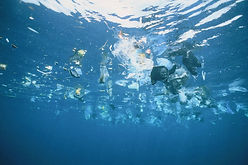
The UN Environment Programme (UNEP) has issued a warning that, in the absence of a binding international agreement, the production and disposal of plastic will increase threefold by 2060, posing a threat to ecosystems and human health. UNEP's head, Inger Andersen, emphasized that plastic pollution is widespread, affecting everything from oceans to human bodies, and called for a fundamental shift towards a circular economy rather than relying solely on recycling. Katrin Schneeberger from Switzerland urged immediate collective action, pointing out that plastic is suffocating lakes, harming wildlife, and posing health risks, although countries that produce plastic are opposed to limiting production. The Intergovernmental Negotiating Committee is leading discussions in Geneva to review a 22-page draft containing 32 articles that address the entire plastic lifecycle. Advocates, including young activists, are pushing for bold actions, citing effects ranging from climate change to disabilities. The treaty, which was mandated by a UN decision in 2022, needs to effectively balance environmental, health, and economic considerations to be successful and sustainable.
For further read, click here
Content Editor :Dr. Sampriti
United Nations
Source :
Published on :
August 27, 2025
International Health News, Environment, pollution
Air Pollution and Dementia Research Halted Following Funding Withdrawal

Antonella Zanobetti, an environmental epidemiologist at Harvard, had her pioneering research on environmental factors such as air pollution and heat and their connections to neurological and cardiovascular diseases abruptly halted when the Trump administration terminated her research funding in May. Her 2020 national study focused on the effects of air pollution on Alzheimer’s and Parkinson’s diseases. The projects that were stopped included
(1) using Medicare/Medicaid data to assess if prolonged exposure to air pollution increases hospital admissions for Alzheimer’s-related dementias
(2) a collaborative study on the combined impact of heat and pollution on Parkinson’s hospitalizations, and
(3) an innovative study on the role of particle radioactivity in fine pollution and its effect on heart disease.
Zanobetti emphasized the importance of understanding environmental risks for public health, particularly since Alzheimer’s is the sixth leading cause of death in the U.S., and Parkinson’s cases are expected to surpass 12 million worldwide by 2040.
For further read, click here
Content Editor :Dr. Sampriti
The Harvard Gazette
Source :
Published on :
August 27, 2025
International Health News
WHO Publishes Evidence-Based Guide on Dignified Maternal, Newborn Care

WHO released the “Compendium on Respectful Maternal and Newborn Care” on 7th August 2025, addressing program managers with the aim of ending all forms of mistreatment and ensuring respectful care for all women?
This compendium will act as an evidence-based guide for managers, coordinators, and directors of maternal, newborn, and child health programs to understand, develop, and implement context-specific interventions at the facility level.
It includes:
Information on the multilevel drivers of mistreatment—behavior and attitude at the individual level, training gaps at organizational levels, and sociocultural gender norms and discrimination.
The manifestations that need to be eliminated or reduced—separating child and mother, physical and verbal abuse; and enabling privacy, effective communication, and bodily autonomy.
The necessary areas of intervention ranging from training in interpersonal communication to policies and law.
Ways to implement respectful care.- Implementation cycle
Data collection tools and indicators to help in research and evidence synthesis.
Enabling respectful maternity care will help ensure nurturing care of the mother and, subsequently, the child through a life-course approach.
For further read, click here
Content Editor :Dr. Urmimala
WHO News section
Source :
Published on :
August 26, 2025
Maternal Health, Respectful maternity Care, Nurturing care, Newborn Care
WHO Committee Meeting Reviews Polio Spread and International Risk Status
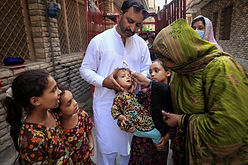
On 18 June 2025, the 42nd Emergency committee meeting was conducted on the spread of Polio virus, under the International Health Regulations 2005.
The data reviewed were:
A total of 13 new cases of wild polio virus (WPV1) reported from Pakistan and Afghanistan.
Of concern, is the spread of cases to newer provinces in both the endemic countries, as evidenced by the case-reporting and environmental surveillance.
The high reported coverage of surveillance and Lot Quality Assurance pass rates in the districts and Provinces of Pakistan is commendable.
67 cVDPV cases reported in 2025
65- cVDPV2
2- cVDPV3 reported from Guinea.
The recommendations include:
Declaration of potential risk of international spread from the following countries:
WPV1 - Afghanistan, Pakistan
cVDPV1 - Mozambique, DR Congo
cVDPV3 - French Guiana (France), Guinea
Appropriate measures to be taken to investigate and assess risk of local spread of imported cVDPV2 and subsequent need for immunization response.
Encourage routine immunization coverage.
For further read, click here
Content Editor : Dr. Urmimala
WHO News Section
Source :
Published on :
August 26, 2025
Poliovirus, International spread, IHR, WPV, cVDPV
WHO Confirms Kenya’s Elimination of Human African Trypanosomiasis (sleeping sickness)
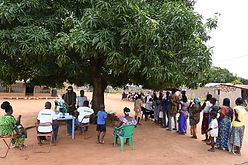
HAT is the 2nd NTD to be eliminated in Kenya, the 1st being Guinea worm disease (2018)
The causative agent of HAT is a parasitic protozoan, namely, Trypanosoma brucei and the disease exists as 2 separate forms (gambiense and rhodesiense). Rhodesiense (r-HAT) is clinically the more dangerous form and it is already known to have a rapid progression (within weeks) and a very high fatality rate as it involves critical organs such as the brain.
HAT outbreaks in Kenya were exclusively of r-HAT and of recent origin, with the first recorded case being reported in the early 20th century. After growing awareness and control measures, there has been no indigenous new case reported since 2009.
With this achievement, Kenya just became the 10th African country to eliminate HAT. (Though gambiense is the more widely encountered form and accounts for 92% of African disease burden as per WHO 2023 report)
Global efforts to control neglected tropical diseases are advancing steadily, with 57 nations now certified as having eliminated at least one NTD—an increase from 54 in December 2024. This achievement places the world over halfway toward WHO’s target of 100 countries reaching at least one NTD elimination by 2030.
For further read, click here
Content Editor :Dr. Sudeep
World Health Organization (website)
Source :
Published on :
August 26, 2025
World Health Organization, Kenya, Sleeping sickness, elimination,
Pandemic-Related Mortality Trends Among Adults in California, 2016–2023
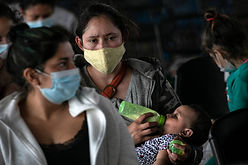
Researchers examined death certificates for all California residents ≥ 25 years who died from natural causes during 2016-2023.
Comparing pre-pandemic mortality and the difference in outcomes during pandemic years (and accounting for seasonal variation), the team modelled absolute and relative excess mortalities.
Researchers then found a 55% increase in death rate for undocumented immigrants above pre-pandemic level, which was observed to be 22% for documented immigrants and only 12% for US-born citizens.
For instance, essential workers of Latino descent (undocumented) had a surprising 91% increase in deaths as compared to US-born white citizens (8%).
This study highlights the growing disparity in access to basic healthcare, segregated along ethnic lines in the United States, and the need to protect these vulnerable sections before the next pandemic hits.
For further reading -
Of the research article, click here
Of the new article, click here
Content Editor : Dr. Sudeep
American Journal of Public Health
Source :
Published on :
August 26, 2025
COVID-19, immigrants, vulnerable population, Access to healthcare
NMC Appoints Part-Time Members Under the NMC Act, 2019
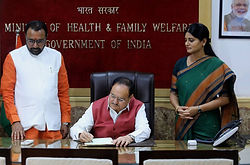
Under the provisions of the NMC Act, 2019, part-time appointments have been made for a two-year duration.
Ten nominees from State/UT Governments—formerly part of the Medical Advisory Council—represent states and UTs such as Gujarat, Rajasthan, Himachal Pradesh, Andaman & Nicobar Islands, Andhra Pradesh, Mizoram, Meghalaya, Jharkhand, Chandigarh, and Madhya Pradesh.
Selections from State Medical Council nominations included nine individuals, representing states such as West Bengal, Karnataka, and Nagaland.
Representatives from Arunachal Pradesh, Odisha, Haryana, and Punjab were appointed to the autonomous boards.
A nominee from Jammu & Kashmir joins the Search Committee.
Media witnessed the draw for fairness.
For further reading, click here
Conteng Editor: Dr. Anamika
Press Information Bureau, Ministry of Health and Family Welfare
Source :
Published on :
August 25, 2025
NMC Act 2019, National Medical Commission
Highlights of 2024 WHO and UNICEF Immunization Estimates

The 2024 estimates of global immunization coverage were released by UNICEF and WHO.
The key highlights are:
Worldwide, 89% of infants have received at least one dose of the DPT vaccine, and 85% have completed all three recommended doses.
In 131 out of 195 countries, first-dose DPT vaccination coverage reaches 90% or higher.
In 47 countries, progress is being held back. Moreover, 22 of these 47 countries had achieved 90% coverage of the first dose of DPT in 2019 but have seen a decline since then.
Measles vaccination coverage for the first dose is 84%, and second dose coverage increased to 76% from 74%.
The estimates emphasize the need to focus on addressing the issues leading to a decrease in vaccination coverage and sustaining the efforts in countries that have already achieved high coverage.
For further reading, click here
Content editor : Dr. Urmimala
WHO News section
Source :
Published on :
August 25, 2025
Vaccination, Immunization, Inequities, WHO, UNICEF
Prevention of Pandemics Through Inclusive Global Health Partnerships
The UN News article stresses the urgent need for transformative, global partnerships to prevent future pandemics and achieve sustainable development. Dr. Ibrahim Abubakar and UN officials conclude that:
The risk of new pandemics remains high because of fragmented, reactive health systems.
They argue that no country can face such crises alone, urging dynamic partnerships among governments, civil society, the private sector, and multilateral bodies to foster inclusive, agile health responses.
The piece draws attention to SDG 17’s call for stronger collaboration and highlights a major $4 trillion SDG financing gap, demanding greater investment, especially in preventive health measures.
Prevention is challenging to fund because its success often goes unseen, but it is far more cost-effective than emergency responses.
True health progress requires breaking silos and integrating health with broader determinants like climate and nutrition.
Ultimately, the UN advocates for a new partnership model that is cross-border, multisectoral, and community-centered to ensure universal health and resilient societies. No community can be left behind if the world is to be better prepared for the next health crisis.
For further reading, click here
Content Editor: Dr. Chinmay
United Nations (UN News Global Perspective Human Stories)
Source :
Published on :
August 25, 2025
Global Pandemic Preparedness, International Health News, Sustainable Development
Health Ministry Advisory on Nutritional Awareness Boards in Workplace

The Union Health Ministry has released an advisory urging workplaces to display informative boards on oil and sugar to spread awareness about hidden fats and excess sugar in foods.
These boards, to be placed in canteens, lobbies, and meeting areas, aim to encourage healthier food choices and daily habits.
It does not mandate warning labels on traditional snacks like samosa or jalebi and does not target Indian street food.
Instead, it promotes general lifestyle changes under the NP-NCD programme, such as eating more fruits and vegetables, choosing low-fat options, walking more, and taking short activity breaks to reduce lifestyle diseases.
Content Editor: Dr. Anamika
Press Information Bureau, Ministry of Health and Family Welfare
Source :
Published on :
August 25, 2025
Oil and Sugar Boards, Health Ministry, workplace nutrition, NP-NCD
First-Ever WHO Position Paper on RSV Immunization

WHO’s first-ever position paper on RSV immunization provides guidance for two preventive measures: a maternal vaccine (RSVpreF) and a long-acting monoclonal antibody (nirsevimab). RSV is responsible for around 0.1 million deaths and 3.6 million hospital admissions each year in under-5 children; nearly half of these deaths occur in infants younger than six months, predominantly in low- and middle-income countries where supportive care is limited.
Maternal vaccine (RSVpreF): Administered during the third trimester, thereby sending protective antibodies to the fetus. It received WHO prequalification in March 2025, allowing procurement by UN agencies.
Monoclonal antibody (nirsevimab): Given as a single injection to newborns—ideally before hospital discharge or at the first postnatal visit—nirsevimab provides at least five months of protection, covering a typical RSV season. In areas with defined seasonality, infants up to 12 months can receive one dose before their first RSV season.
WHO advises every country to introduce either the maternal vaccine or nirsevimab, based on health system capacity, cost-effectiveness, and expected coverage. WHO highlights that these immunization strategies can significantly reduce RSV-related hospitalizations and deaths.
This position paper will guide policymakers, immunization program managers, and funding bodies on integrating RSV prevention into existing schedules.
Content Editor: Dr. Chinmay
World Health Organisation
Source :
Published on :
June 20, 2025
International Health News, RSV Immunization
Insights from Kenyan Sub-County Forecasting to improve Under 5 malnutrition surveillance using Machine Learning

The main aim is to develop a spatio-temporal machine learning model for predicting acute malnutrition in children, using DHIS2 data.
Main objectives of this study are improving the prediction rates through the collective use of all indicators, such as signals derived from satellite images, and forecasting acute malnutrition at various severity levels across different time periods of 1, 3, and 6 months.
The study used routinely collected health data from DHIS2 alongwith remotely sensed satellite data, mainly Gross Primary Productivity measurements, of 5 years.
Window average model has been used as a baseline and it is compared with the new machine learning model. The performance was evaluated using Area Under Receiver Operating Characteristic Curve (AUC).
The machine learning models with AUC of 0.86 for 6 months period, performed much superior than the Window Average baseline of AUC 0.73 in forecasting sub-county malnutrition rates.
The machine learning models displayed high accuracy of AUC >0.9 in predicting extreme acute malnutrition risk across all assessed time periods.
Click here to read more.
Content Editor: Dr. Smruthi
Science Daily
Source :
Published on :
June 20, 2025
Research findings, Under 5 malnutrition
India Emerges as Global Biotech Destination

Union Minister of State for Science and Technology Dr. Jitendra Singh addressed the "International Centre for Genetic Engineering and Biotechnology" (ICGEB) Board Meeting of Governors on May 14, 2025.
He emphasized India's growing role in the global biotech community, promoting the creation of the first "DST-ICGEB Bio-Foundry" with public funding and the expansion of its bioeconomy from $10 billion in 2014 to $165.7 billion in 2024.
The country's biotech achievements were as highlighted:
By 2024, its bioeconomy will have grown from $10 billion in 2014 to $165.7 billion.
More than 10,000 biotech startups are based in India, which is ranked third in Asia-Pacific and 12th globally for biotech.
India developed the world's first DNA-based vaccine, introduced Nafithromycin, and developed diagnostic kits for Dengue and HIV.
The BioE3 Policy, approved in August 2024, aims to build a resilient ecosystem for bio-based products and enhance biomanufacturing.
India plays a significant role in ICGEB, with 105 international PhDs and 112 postdoctoral researchers trained in New Delhi.
India has five priority areas for biotech growth: bioenergy, bio-industrial, bio-plantation, biomedical, and biomanufacturing. With visionary leadership, India is set to steer towards becoming a global bioeconomic leader.
Content Editor: Dr. Shubham
Press Information Bureau
Source :
Published on :
June 20, 2025
Biotechnology, Bio-Foundry, India
Climate-Induced Heat Waves Linked to Pregnancy Health Risks

Climate change is increasingly linked to the risk of pregnancy related complications worldwide due to greater exposure to extreme heat.
A recent analysis by the U.S based group Climate Central examined the levels of heat exposure faced by pregnant women since 2020 and determined the extent to which climate change is responsible.
The study’s findings indicate that heatwave exposure may increase the likelihood of pregnancy complications by 1.25 times.
In the past five years, the number of heat-risk days affecting pregnant women in India has risen by an average of six days annually. Among the most impacted states are Sikkim with 32 such days, Goa with 24, and Kerala with 18. Panaji led the cities in terms of impact, with 39 days, trailed by Thiruvananthapuram at 36 days.
Worldwide, climate change has caused the number of high-risk heat days for pregnant women to at least double in 222 of 247 countries.
Experts emphasize the urgent need for action, including reducing fossil fuel emissions, increasing urban green spaces, and incorporating pregnancy-specific heat warnings in public health initiatives.
Content Editor: Dr. Asma
Climate Central
Source :
Published on :
June 20, 2025
Climate change, Maternal Health, Pregnancy
New AI-based Tool Facilitates Non-invasive Blood Testing and Diagnosis

Niloufer Hospital in Hyderabad became the first institution to roll out a new AI based diagnostic tool called Amruth Swastha Bharat developed by Quick Vitals, a trademark by Bisam Pharmaceuticals Private Limited to provide non invasive diagnostic blood and vitals testing.
The app uses smartphone or tablet cameras to test for various parameters in the body using the principle of Photoplethysmography (PPG) which detects the changes in the spectrum of light emitted by blood due to movement and pressure on the vessel walls.
The app can assess the hemoglobin level, oxygen saturation, blood pressure, heart rate, respiratory rate, HbA1c, stress levels and autonomic system activity.
Tested against FDA controlled diagnostic devices, the app has received approval from the Drugs Control Administration, Telangana.
It is aimed at women and children in primary healthcare settings to ensure rapid diagnosis (within 20-60 seconds) for conditions like anemia.
The company is planning to test the tool in Maharashtra in collaboration with the state government to further scale up the access to AI based diagnostic tools.
Content Editor: Dr. Manu
PHC Editorial Desk
Source :
Published on :
June 19, 2025
Artificial Intelligence, Medical Technology, Non-Invasive Diagnostics
Population-based Study Links HPV Vaccination to Long-term Cervical Cancer Prevention

Researchers from Public Health Scotland and University of Edinburgh conducted a retrospective population-based cohort study to assess the impact of HPV vaccination on invasive cervical cancer incidence.
The evaluation was done on women born in the following years:
1988–1990 – not eligible for vaccination
1991–1994 – eligible for the catch-up vaccination program in 2008 and 2009 (immunized at 14 to 22 years)
1995–1996 – routine cervical cancer vaccination (immunized at 12–13 years)
Data on screening, immunization, and cancer incidence were retrieved from the Scottish Cancer Registry till August 2022.
Findings:
Those vaccinated at 12–13 years had zero incidence of invasive cervical cancer.
Among those vaccinated at 14–22 years, women who received 3 doses had a significantly lower incidence of invasive cervical cancer (3.2 / 1 lakh person-years, 95% CI [2.1–4.2]) compared to those who received none (8.4 / 1 lakh person-years, 95% CI [7.2–9.6]).
Women belonging to the most deprived category based on the Scottish Index of Multiple Deprivation had a significantly lower incidence of invasive cervical cancer when they had received 3 doses of the vaccine (2.29 / 1 lakh person-years, 95% CI [0.62–5.86]) compared to those with no vaccination (13.1 / 1 lakh person-years, 95% CI [9.95–16.9]).
The authors recommend continued screening and assessment of outcomes, as information on different vaccine dosages and schedules, along with longitudinal outcome assessment, will help develop HPV vaccination schedule guidelines.
Click here to read more.
Content Editor: Dr. Urmimala
Journal of the National Cancer Institute
Source :
Published on :
June 19, 2025
Cervical Cancer, HPV, Vaccination, Research study
Retrospective Study Links Dengue Recovery to Increased Health Risks

A recent large-scale study conducted in Singapore, published in Clinical Microbiology and Infection, highlights the serious long-term health risks faced by adults after dengue infection. Tracking 55,870 adult dengue patients from 2017 to 2023 and comparing them with over 3.1 million controls, researchers found a significantly elevated risk of death, hospitalization, and multi-organ complications well beyond the acute phase of illness.
Dengue survivors had a two-fold higher risk of death (adjusted hazard ratio [aHR] 2.08) and a 22% increased risk of all-cause hospitalization. The risk of developing multi-organ complications rose by 19%, affecting critical systems:
Cardiovascular: aHR 1.46, including heart attacks, arrhythmias, and ischemic disease
Neurological/Psychiatric: aHR 1.29, with cognitive decline, stress, and anxiety disorders
Gastrointestinal: aHR 1.42, notably gastritis and a 3.66-fold increase in hepatitis/cirrhosis
Renal: aHR 2.30, indicating a major rise in kidney disorders
Autoimmune/Endocrine: aHR 1.37 and 1.19, respectively, with a 2.43-fold increase in connective tissue diseases
Both hospitalized and non-hospitalized dengue patients were affected, with older adults (≥61 years), males, and those with pre-existing conditions or infection by DENV-2 or DENV-3 serotypes being more vulnerable.
The findings signify the urgent need for long-term post-dengue monitoring and multidisciplinary care strategies to detect and manage chronic health impacts. As global dengue incidence rises, this research stresses that recovery from acute infection does not signal the end of health risks.
Click here to read more.
Content Editor: Dr. Chinmay
Center for Infectious Disease Research and Policy
Source :
Published on :
June 19, 2025
Dengue, Research study, International Health News
Air Quality Improvements Influence Respiratory Health and Gut Microbiome

A recent randomized controlled trial conducted in rural Uganda revealed that substituting kerosene or charcoal lighting with solar lights significantly improved indoor air quality and health.
Among the women involved in the study, the incidence of respiratory symptoms decreased from 57.1% to 36.1% following the switch.
The researchers also observed significant changes in gut microbiota diversity, including bacteria, viruses, archaea, and eukaryotes, emphasizing a "gut-lung axis." These microbiome alterations were linked to a 32% reduction in the risk of respiratory symptoms.
The study, led by Dr. Peggy Lai and Joseph Allen published on May 21 in Environmental Health Perspectives, indicates that the negative effects of indoor air pollution may extend beyond respiratory issues, potentially affecting gut health.
The results advocate for the use of cleaner energy sources not only to improve respiratory health but also to promote a healthier microbiome, suggesting that future interventions might focus on gut health to mitigate the impacts of pollution.
Click here to read more.
Content Editor: Dr. Sampriti
Environmental Health Perspectives
Source :
Published on :
June 18, 2025
International health news, Indoor Air Pollution
India Launches Largest Rural Sanitation Survey

The government has launched Swachh Survekshan Grameen 2025, India’s largest rural sanitation survey, to evaluate and rank cleanliness across the nation.
The survey will assess sanitation conditions in 21,000 villages throughout 761 districts to provide a complete overview of rural cleanliness.
The teams will conduct on-ground checks of public places, verify the functionality of waste management facilities, and assess household cleanliness.
Public feedback/“Jan Bhagidhaari” is a key component, gathered through a dedicated mobile app and direct interactions during the survey.
This initiative reinforces that ‘sanitation is a continuous journey, not a one-time achievement’, aiming to sustain progress toward a "Clean India."
Content Editor: Dr. Shayari
Press Information Bureau
Source :
Published on :
June 18, 2025
Sanitation and Hygeine, Swachh Bharat
India and WHO Partner to Standardise Traditional Health Practices

At the 78th World Health Assembly, India reinforced its commitment to blending traditional medicine with modern healthcare. The nation endorsed the new WHO Global Traditional Medicine Strategy 2025–2034, promoting an evidence-based approach to global traditional health.
India has backed the WHO’s new ten-year plan to strengthen and regulate traditional medicine systems worldwide.
A new agreement will create a global classification system for traditional therapies like AYUSH by standardising the treatments, boosting their scientific credibility and recognition
India demonstrated its commitment by establishing the WHO’s first-ever Global Centre for Traditional Medicine in Jamnagar, Gujarat.
As stated, “these initiatives to integrate safe and effective traditional practices aim to help achieve universal health coverage worldwide”.
Content Editor: Dr. Shayari
Press Information Bureau
Source :
Published on :
June 18, 2025
AYUSH, Traditional Medicine
Reviewing Seed Oils: Scientific Evidence Vs Popular Beliefs

Nutrition scientists have refuted claims that refined seed oils like canola, corn, soybean, sunflower, safflower, grapeseed, cottonseed and rice bran harm health. These oils contain essential polyunsaturated fats including linoleic acid (omega-6) and alpha-linolenic acid (omega-3), which in moderation benefit cardiovascular and metabolic health.
A 2019 meta-analysis of 68,000 participants across 30 studies found higher blood linoleic acid levels correlated with reduced risk of cardiovascular disease, stroke and type 2 diabetes, showing a 35% lower diabetes risk.
Trials have shown linoleic acid lowers LDL cholesterol, increases HDL cholesterol and may reduce blood pressure.
Concerns about omega-6 causing inflammation or hexane residues are unfounded, as inflammatory metabolite conversion in humans is minimal. Experts recommend whole foods and plant oils over saturated fat alternatives for heart health.
Click here to read more.
Content Editor: Dr. Sampriti
Johns Hopkins Bloomberg School of Public Health
Source :
Published on :
June 18, 2025
International health news, Nutrition, Cardiovascular Health
High Maternal BMI and Childhood Infections: Insights from the Born in Bradford Cohort

Born in Bradford is a longitudinal cohort of a multi-ethnic maternal population recruited between 2007 and 2010, who have been followed up over the years to study the effects of environmental, genetic, and other factors on maternal and child health. This study aims to investigate the relationship between maternal BMI and infections in their children later in life.
Over 9,500 singleton births were followed up from birth to over 15 years of age. Multilevel regression models with clustering at the level of mother and child were used. When hospital admissions over time were observed, an interaction between maternal BMI and age at analysis was included.
The study found that:
Over 56% of the mothers belonged to overweight or obese categories.
There was a significant association between women with high BMI (obesity grades 2–3) and increased hospital admission rates for infection, with the association increasing with age:
Adjusted OR 1.41 (1.13, 1.77) for infants
Adjusted OR 1.53 (1.19, 1.98) for age 5–15 years
Infections were categorized into lower and upper respiratory infections, gastrointestinal infections, multisystem viral infections, among others. There was a significantly higher incidence of these four infection categories among children of mothers with BMI in obesity grades 2–3.
Adjustment for socioeconomic status, ethnic group, parity, mode of birth, and smoking during pregnancy was done. However, factors predisposing to infections also need to be considered as potential confounders.
The potential of obesity during pregnancy to increase the risk of immune dysregulation and microbiome alterations, subsequently influencing the long-term health of the developing fetus, needs to be explored further.
Click here to read more.
Content Editor: Dr. Urmimala
BMJ Medicine
Source :
Published on :
June 13, 2025
Longitudinal study, Cohort study, Maternal and Child Health, Obesity, Childhood Infections
Digital divide in healthcare: Insights from marginalised young adults in LMICs

The Digital Health and Rights Project and the University of Warwick conducted a study in which they interviewed 302 young adults in Colombia, Ghana, Vietnam, and Kenya. The participants were aged 18–30 and included gay men, men who have sex with men, transgender individuals, cisgender women, people living with HIV, and sex workers.
Key findings:
High smartphone and internet costs limited access.
Young women were disproportionately affected, as access to devices was often controlled by other family members, owing to their financial dependence.
Around 75% reported that technology increased their risk of verbal/physical abuse, stalking, and blackmail. Poor data protection also contributed to their reluctance to seek health information online.
Many participants expressed hesitation to report such abuse to the police due to fear of stigma and the possibile mistreatment.
Overall, they expressed a strong interest in training on their rights, artificial intelligence, and digital empowerment.
Content Editor: Dr. Urmimala
Digital Health and Rights Project
Source :
Published on :
June 13, 2025
Digital divide, Health information, Inequities in Health, LGBTQA+
PM Modi Assesses TB Mukt Bharat Abhiyaan

The Prime Minister chaired a high-level review meeting on the National TB Elimination Programme (NTEP) on 13th May, 2025 to assess the progress made by 100-day TB Mukt Bharat Abhiyaan initiative.
12.97 million vulnerable people were checked as part of the effort, 7.19 lakh TB cases (including asymptomatic cases) were found, and more than 1 lakh new Ni-kshay Mitras were hired to assist patients. Special attention was given to workers in industries like construction, mining, and textiles, where TB risk is higher.
Emphasis was placed on decentralizing TB services via Ayushman Arogya Mandirs, promoting AI diagnostics, new molecular tests, and digital connectivity for enhanced patient care.
The highlights of WHO Global TB Report 2024 in India's progress include:
21% decrease in TB mortality
18% decrease in TB incidence.
85% treatment coverage.
India significantly expanded TB diagnostic infrastructure with 8,540 NAAT (Nucleic Acid Amplification Testing) labs, 87 culture labs, and 26,700 X-ray units and 500 AI-enabled handheld devices.
The Ni-kshay Poshan Yojana provided direct benefit transfers to 1.28 crore TB patients with increased financial support.
Content Editor: Dr. Shubham
Press Information Bureau
Source :
Published on :
June 13, 2025
Tuberculosis, NTEP, TB Mukt Abhiyaan
CAQM Takes Strong Action to Stop Waste Burning in Delhi–NCR

On June 3, 2025, CAQM issued Direction No. 91 targeting air pollution from open waste burning and landfill fires in Delhi–NCR.
Authorities must evaluate fire risks, install CCTV and methane detectors, and carry out bio-remediation of existing waste. Improved waste segregation and timely collection are required to minimize hazards.
Fire safety infrastructure and staff training are mandated at landfill sites. Regular monitoring, public awareness, and quarterly compliance reporting are compulsory.
Non-adherence will result in penalties under the CAQM Act, 2021. These measures aim to reduce pollution and protect public health in the region.
Content Editor: Dr. Anamika
Press Information Bureau, Ministry of Environment, Forest and Climate Change
Source :
Published on :
June 13, 2025
CAQM, air pollution, waste burning
Health Minister Monitors Progress on TB, Measles-Rubella Elimination and PM-ABHIM Implementation

On May 30, 2025, the Union Health Minister convened high-level meetings with Health Ministers from six States/UTs to assess progress on TB and Measles–Rubella elimination and evaluate fund utilization under PM‑ABHIM and the 15th Finance Commission.
The 100-day TB-Mukt Bharat Abhiyan screened 12.97 crore individuals, detecting over 7.19 lakh TB cases—including 2.85 lakh asymptomatic.
Emphasis was placed on expanding NAAT testing, engaging vulnerable groups (e.g., migrants, slum dwellers, HIV patients, alcoholics), and enhancing nutritional support via Ni‑kshay Poshan and Ni-kshay Mitra.
He urged states to bring TB incidence below 47 per lakh and mortality under 3 per lakh and strengthen immunization to eliminate measles–rubella. Health Minister Monitors Progress on TB, Measles-Rubella Elimination and PM-ABHIM Implementation
Content Editor: Dr. Anamika
Press Information Bureau, Ministry of Health and Family Welfare
Source :
Published on :
June 13, 2025
TB-Mukt Bharat, Measles-Rubella elimination, PM-ABHIM
New Health Ministry Guidelines to Help TB Patients Rejoin the Workforce

The Union Health Ministry has issued new, standardised guidelines for medical practitioners to certify when Tuberculosis (TB) patients are no longer infectious.
Key Takeaways:
This standardised certification provides clear, evidence-based criteria for clinicians to declare TB patients non-infectious.
Certification considers treatment duration, patient compliance, consecutive negative sputum tests, and overall clinical improvement.
This is designed to help patients overcome workplace discrimination, reduce stigma and support their economic well-being.
Specific conditions are outlined for different types of TB, including drug-sensitive and drug-resistant strains and different timelines for the treatments.
These comprehensive guidelines are a crucial step towards reducing stigma and supporting the rights and livelihoods of individuals recovering from TB.
Content Editor: Dr. Shayari
Ministry of Health and Family Welfare
Source :
Published on :
June 12, 2025
Tuberculosis
Education Ministry Renews Push for Tobacco-Free Schools

The Ministry of Education is intensifying its efforts to establish Tobacco-Free Educational Institutions (ToFEI) through a new nationwide enforcement drive.
This initiative, prompted by recent high-level discussions of the Narco Coordination Centre / National Narcotic Coordination Portal (NCORD) chaired by the Home Secretary, aims to bolster existing regulations that protect students from substance abuse.
The drive focuses on the strict implementation of existing laws, like banning tobacco sales within 100 yards of schools and to minors.
It addresses rising tobacco use among young people, recognising them as a crucial demographic for India's future.
The Ministry of Education had launched an "Implementation Manual of ToFEI" in May 2024. This new drive is about actively putting that manual and its nine specific activities (such as marking yellow lines and ensuring no shops) into practice with renewed vigor.
Running from 31st May 2025 to 26th June 2025, the initiative will focus on implementing Tobacco-Free Educational Institutions (ToFEI) guidelines.
Content Editor: Dr. Shayari
Press Information Bureau
Source :
Published on :
June 12, 2025
COTPA, Tobacco, Education
WHO Urges Global Flavor Ban on Tobacco and Nicotine to Shield Youth

Marking World No Tobacco Day 2025, the World Health Organization (WHO) urged governments, demanding comprehensive proscriptions on all flavor complements and accessories within tobacco and nicotine products
How flavors increase appeal and harm
Menthol, bubblegum, cotton candy, and similar tastes mask harshness, making products more enticing, especially to youth.
Flavor chemicals (e.g., diacetyl, cinnamaldehyde) present direct respiratory risks when inhaled, and can reinforce dependence.
Current regulatory gaps
While over fifty nations have implemented bans on flavored tobacco and more than forty restrict flavored e-cigarettes (sometimes targeting disposables or specific flavors), significant gaps remain.
Flavor accessories—including crushable capsules, flavor cards, sprays, and filter tips—often circumvent existing regulatory frameworks.
Industry marketing tactics
Big multinational tobacco companies use bright packaging, misleading descriptors (“natural,” “clean,” “reduced-risk”), and social media influencers to promote flavored products.
“Next-generation” items are positioned as safer alternatives, yet many users become dual- or poly-users rather than quitting.
WHO’s recommended actions
Implement comprehensive bans on all flavorings and flavor accessories.
Enforce strict advertising and promotion prohibitions, including digital platforms.
Launch counter-marketing campaigns based on credible, independent sources.
Strengthen monitoring of emerging products, industry tactics, and potential illicit markets.
Notable country efforts
Belgium, Denmark, and Lithuania have started regulating flavor/accessories.
With roughly eight million annual tobacco-related deaths, WHO stresses that eliminating flavors is critical to prevent a new wave of youth addiction and preserve decades of progress in tobacco control.
Content Editor: Dr. Chinmay
World Health Organisation
Source :
Published on :
June 12, 2025
World No Tobacco Day, Tobacco regulations
With U.S. Funding Withdrawn, HIV Vaccine Research Faces Setback

A much-anticipated HIV vaccine trial set to begin in early 2025 has been abruptly halted after U.S. funding was withdrawn.
The trial, developed under the BRILLIANT consortium, was expected to mark a significant milestone in HIV prevention in South Africa, the country with the world’s highest number of HIV-positive individuals.
Despite having secured all necessary approvals, the research is now frozen, with vaccine doses sitting unused in laboratories.
This sudden disruption is part of a broader wave of funding reductions that are affecting research and health services across the country, including shut down of clinics and staff losing jobs.
The MATRIX project, focused on developing new HIV prevention methods for women, and launched in 2021, once operated across multiple African countries with support from USAID. With funding gone and partnerships dissolved, it has also been forced to shut down and there is little hope of revival.
Researchers are now urgently looking for new sources of support, including potential collaborations with philanthropic groups and pharmaceutical companies.
While the path forward remains uncertain, many believe that South Africa’s strong research foundation and determined scientific community can still find ways to continue the fight against HIV.
Content Editor: Dr. Aditi
Global Health Now
Source :
Published on :
June 12, 2025
International Health News, Vaccine Trial, HIV Treatment
WHO Raises Alarm Over Yellow Fever Surge in Five American Countries

The World Health Organization (WHO) documented a sharp rise in yellow fever cases across five American Countries from late December 2024 to April 26, 2025. A total of 212 confirmed infections and 85 related deaths have been documented, indicating a 40% case fatality rate.
Brazil has recorded the highest toll, with 110 cases and 44 deaths, followed by Colombia with 60 cases and 24 deaths. Peru, Ecuador, and Bolivia have also reported confirmed cases, with fatalities occurring in each country.
Unlike in 2024, when cases were mostly confined to the Amazon region, 2025 has seen the spread into new areas such as São Paulo in Brazil and Colombia's Tolima department.
National health authorities have ramped up responses, including immunization drives, stronger surveillance, and preventive strategies.
WHO has classified the situation in the Americas as a serious public health concern, citing the spread beyond the hotspots, uneven vaccination coverage, and limited vaccine availability.
The organization stresses the urgency of enhanced surveillance, prompt diagnostics, cross-border cooperation, and expanding vaccine access to curb the disease's reach. Vaccination remains the key tool in preventing yellow fever outbreaks.
Content Editor: Dr. Aditi
WHO-Disease Outbreak News
Source :
Published on :
June 11, 2025
International Health News, Yellow fever, vaccination coverage
Innovative Bed Nets Offer Long-Lasting Protection Against Malarial Parasite.

Researchers at the Harvard T.H. Chan School of Public Health have developed an approach to malaria control by targeting Plasmodium falciparum within mosquitoes, rather than the mosquitoes themselves.
Among 81 antiparasitic compounds tested, 22 significantly impeded parasite development, with two compounds achieving complete eradication even at low concentrations.
These compounds retained efficacy for over a year and prevented infection when mosquitoes were exposed up to four days prior.
This strategy could address insecticide resistance and be cost-effectively integrated into existing bed nets. This method represents a substantial advancement in malaria prevention, particularly in regions where malaria is endemic and insecticide resistance poses challenges.
Click here to read more.
Content Editor: Dr. Sampriti
Harvard T.H. Chan School of Public Health
Source :
Published on :
June 11, 2025
International Health News
Multi-Country Mpox Outbreak in Latest Situation Update

Ten African countries reported Clade Ib mpox transmission over six weeks. The Democratic Republic of the Congo has the highest number of confirmed mpox cases in Africa for 2025, although reporting is incomplete due to limited testing resources.
Uganda is seeing a reduction in cases, yet it still reports approximately 200 cases weekly. In Burundi, cases have decreased to fewer than 50 per week, while Sierra Leone has experienced a surge, with over 600 cases reported last week, mainly among young adults in urban regions.
Across Africa, more than 720,000 doses of the MVA-BN vaccine have been administered, with 81% of these in the DRC. Australia has recorded its first clade Ib case, traced back to travel from Thailand.
Content Editor: Dr. Sampriti
World Health Organisation
Source :
Published on :
June 11, 2025
International Health News
Lancet Commission emphasizes adolescent health and well-being needs

The latest Lancet Commission addresses Adolescent Health and Wellbeing, defining adolescents as individuals aged 10–24.
With adolescents making up 24% of the global population amid declining family sizes and ageing societies, their wellbeing is increasingly urgent.
The present adolescent cohort face unique challenges from environmental stress, internet exposure, and crisis in conflict zones.
Using global and country-level data, the Commission estimates that by 2030, over half of adolescents will live in multi-burden countries with overlapping health risks.
From 1990–2013, communicable diseases declined more than non-communicable ones, both among males and females. Despite declining trends, Sub-Saharan Africa and South Asia still carry the highest burden of Communicable, Maternal, Newborn and Child illness.
Males experienced injury-related DALYs higher than females. High-income regions saw a rise in NCDs post-2010.
The report urges multi sectoral strategies to improve health and wellbeing because investing in adolescents will yield a triple dividend- benefits for their present, their future as adults, and the children they will raise.
Click here to read more.
Content Editor: Dr. Urmimala
The Lancet
Source :
Published on :
June 11, 2025
Adolescent Health, Communicable and Non-communicable Diseases, The Lancet Commission