.png)
Follow Us!


Public Health Chronicle
Latest public health news and updates of the world
Report on progress to end female genital mutilation
Content Editor: Dr. Niharika
March 26, 2024 at 8:34:53 PM
Human Rights, Women Health, International Health News
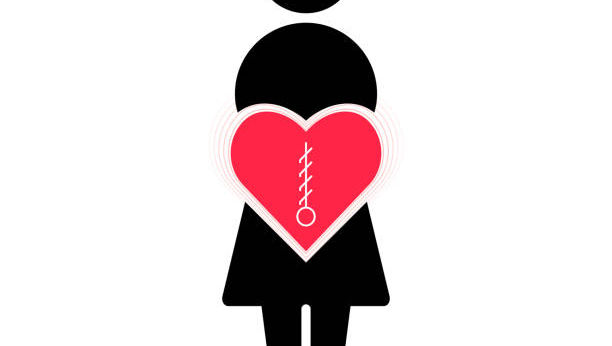
FGM assaults girls’ and women’s human rights, having lasting physical, psychosocial, and social consequences.
On this International Women’s Day, a report released by WHO revealed that progress toward ending FGM remains slow to meet the UN’s Sustainable Development Goal to eliminate the practice.
According to the report, more than 230 million girls and women have undergone FGM.
It is most prevalent in Africa, Asia, and the Middle East.
The most challenging aspect of eliminating this practice is that more and more girls undergoing FGM are under the age of 5 years, leaving little time for intervention.
4 in 10 of all the survivors of FGM are from conflict-affected areas- where population growth is fast, and education and health services are disrupted, making it more challenging to tackle FGM due to diversion of resources towards crises.
However, Kenya, Sierra Leone, and Egypt provide a ray of hope, with declining rates of FGM, and changing attitudes towards FGM.
The report concluded that greater investment in services for girls and also a provision of laws and policies to safeguard their rights should be put in place to eliminate such practices.
Way ahead: the eradication of FGM requires leaders and communities to make focused efforts to end gender-based discrimination, greater investment in services for girls and laws and policies to safeguard their rights and better track the prevalence of FGM through better quality data.